
Mediterranean Style Homes
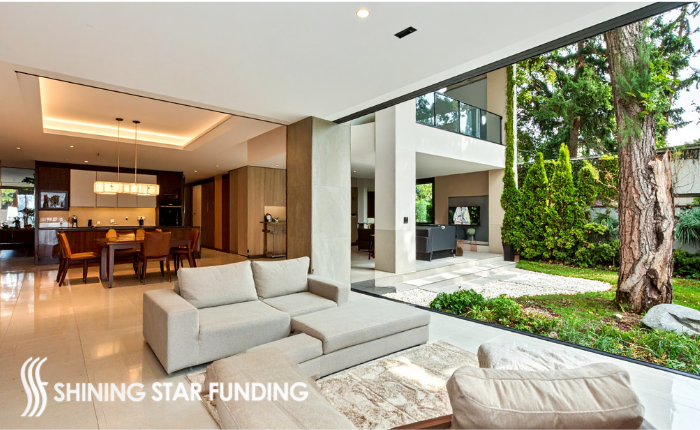
The Timeless Allure of Mediterranean Style Homes: A Strategic Guide for Modern Homeowners
There is an undeniable romanticism associated with the sun-drenched coasts of Southern Europe. When we think of the perfect seaside retreat, our minds often drift to the warm aesthetics of Italy, Greece, and Spain. This global fascination has deeply influenced the landscape of American real estate, giving rise to the enduring popularity of Mediterranean style homes. These residences are more than just a place to live; they represent a lifestyle centered on indoor-outdoor harmony, structural elegance, and a sense of permanent vacation. For anyone navigating the complexities of homeownership, choosing a property with such a distinct and historically rich architectural language can offer both personal satisfaction and a robust long-term investment.
In the modern market, the Mediterranean style home has become a hallmark of luxury and durability. Whether you are a first-time homebuyer looking for a residence with character, a self-employed home buyer seeking a prestigious home office environment, or a retiree looking for a sanctuary in a warm climate, this architectural style offers versatility and charm. Real estate investors and asset-rich individuals seeking for real estate investments frequently target these properties because of their “curb appeal” and their ability to hold value across fluctuating market cycles. By understanding the DNA of this style, you can make a more informed decision about whether this sun-kissed aesthetic aligns with your financial and lifestyle goals.
The Architectural DNA of the Mediterranean Style Home
The Mediterranean house style is a tapestry of influences, primarily drawing from Spanish Renaissance, Italian Renaissance, and Venetian Gothic traditions. While the style gained massive popularity in the United States during the 1920s and 1930s—particularly in Florida and California—its roots are thousands of years old. Architects of that era sought to recreate the breezy, open-air feeling of seaside villas, utilizing materials that could withstand intense heat while maintaining a cool interior temperature. This functional beauty is what makes mediterranean style architecture so resilient and sought after today.
One of the most recognizable features of a mediterranean home style is the red clay tile roof. These tiles are not just aesthetic; their “U” shape allows air to circulate, keeping the home naturally cooler. Complementing the roof is typically a white or warm-toned stucco exterior. Stucco is a breathable material that protects the building from the salt air and the beating sun, which is why you see it so frequently in coastal regions. In the category of homeownership, choosing materials that are native to your climate can significantly reduce long-term maintenance costs and improve energy efficiency, a factor that every savvy buyer should consider.

Defining Characteristics of Mediterranean Style Architecture
To truly appreciate the value of a mediterranean style mansion or a smaller villa, one must look at the specific design elements that define the genre. These homes are designed to breathe, utilizing the natural environment to enhance the living experience. When you walk through a home built in this tradition, you will likely notice several recurring motifs:
- Arched Openings: Arches are perhaps the most iconic element of mediterranean style architecture. They appear in doorways, windows, and porches, softening the structural lines and adding a sense of grandeur and flow.
- Wrought Iron Accents: From balconies and window grilles to ornate front doors, wrought iron provides a striking contrast against light stucco walls, adding a layer of security and intricate detail.
- Intricate Tile Work: Hand-painted Moroccan or Spanish tiles are often used to accent stair risers, fountains, and backsplashes, introducing vibrant colors into an otherwise earthy palette.
- Thick Walls: Historically, these homes were built with thick masonry to provide natural insulation against the Mediterranean sun, a feature that modern builders still replicate to aid in temperature control.
Indoor-Outdoor Living: The Mediterranean Soul
Perhaps the greatest appeal of the mediterranean style home is its emphasis on the outdoors. These homes were designed before air conditioning was a standard luxury, which meant the layout had to maximize airflow. This resulted in the inclusion of courtyards, loggias, and expansive terraces. For modern homeowners, these spaces function as “outdoor rooms,” perfect for entertaining or relaxing. For retirees, a central courtyard provides a private, secure outdoor space that feels like part of the interior, while real estate investors recognize that high-quality outdoor living space significantly boosts a property’s market value.
In the homeownership journey, the transition between the living room and the patio in a mediterranean house style is often seamless. Large French doors or folding glass walls are common, inviting the garden into the home. This connection to nature is known to improve well-being and is a primary reason why asset-rich individuals seeking for real estate investments prioritize these types of floor plans. The integration of fountains and lush landscaping further enhances this oasis-like atmosphere, creating a residence that feels entirely separated from the stresses of the outside world.
Analytical Breakdown of Mediterranean Sub-Styles
Not all Mediterranean style homes are the same. Depending on the specific cultural influence, the aesthetic can shift from rustic to formal. Understanding these distinctions is a key part of the homebuying process for those who want a specific “look” for their investment.

| Sub-Style | Primary Influence | Key Visual Identifiers | Vibe |
|---|---|---|---|
| Spanish Mortgage / Revival | Spain / Mexico | Simple stucco, low-pitched roofs, few ornaments. | Rustic and Sturdy |
| Italian Renaissance | Italy | Ornate columns, rounded arches, symmetrical facade. | Formal and Grand |
| Modern Mediterranean | Global Modernism | Clean lines, larger windows, minimalist stucco. | Sleek and Airy |
Investing in a Mediterranean Style Mansion
For those looking at the top tier of the market, the mediterranean style mansion represents the pinnacle of luxury homeownership. These estates often feature sprawling floor plans, guest houses (casitas), and resort-style pool areas. Because these homes are often built on larger lots and utilize premium materials like limestone, marble, and reclaimed wood, they tend to appreciate well over time. Real estate investors often look for “revival” properties from the early 20th century, as these historical homes carry a prestige that modern builds sometimes struggle to replicate.
However, owning a mediterranean style mansion also requires a commitment to specialized maintenance. The intricate tile work, stucco finishes, and clay roofs require contractors who understand these specific materials. In the category of homeownership, being a responsible steward of a high-end architectural property means setting aside a maintenance fund for the preservation of these unique features. For a self-employed home buyer who might use their residence for high-level client entertaining, the architectural statement made by a Mediterranean estate is often worth the extra effort in upkeep.
Is the Mediterranean Style Home Right for You?
As you evaluate your options in the real estate market, consider the climate and location. While a mediterranean style home can technically be built anywhere, it thrives in environments that mimic its origins. These homes are designed for heat and light. In colder, darker climates, the small windows and thick walls of traditional designs can sometimes feel too dim, leading modern architects to increase the glass-to-wall ratio in newer mediterranean home style builds.
For first-time homebuyers, a smaller-scale Mediterranean cottage can offer a charming and manageable entry point into homeownership. These homes often feel larger than their square footage suggests due to their open-concept outdoor spaces. Meanwhile, for asset-rich individuals seeking for real estate investments, the timelessness of the style ensures that it never truly goes out of fashion. Unlike more “trendy” modern styles that may look dated in a decade, the Mediterranean aesthetic is rooted in classical proportions that have remained popular for centuries.

Conclusion: A Legacy of Warmth and Elegance
The Mediterranean style home continues to be a dominant force in the global housing market because it addresses a fundamental human desire: the need for a home that feels like a sanctuary. From the sturdy stucco walls of a Spanish Revival cottage to the sprawling grandeur of a mediterranean style mansion, this architectural genre offers a unique blend of historical weight and breezy modernity. For those navigating the world of homeownership, choosing a Mediterranean property is an investment in both financial value and quality of life.
By focusing on the hallmarks of mediterranean style architecture—indoor-outdoor flow, natural materials, and classical proportions—you can find a property that transcends the typical “house” and becomes a true home. Whether you are a self-employed home buyer, a retiree, or a savvy investor, the Mediterranean house style provides a beautiful, durable, and prestigious foundation for your future. As the sun sets over the red-tiled roof of your villa, you will realize that homeownership in a Mediterranean-style residence is more than just a transaction; it is the realization of a sun-drenched dream that will endure for generations to come.
FAQ's
Yes. Because this style is often associated with luxury and “vacation vibes,” these homes tend to hold their value well, particularly in coastal or resort-style communities.
Homeowners should inspect stucco annually for small cracks. If water seeps behind the stucco, it can cause significant damage. Fortunately, stucco is easy to patch and repaint to keep the home looking fresh.
Expect to find exposed wooden ceiling beams, arched doorways, and tile or stone flooring. These materials are chosen for their cooling properties and timeless, rustic appeal.
Outdoor living is a pillar of mediterranean style architecture. A loggia is a covered exterior gallery or corridor, acting as an outdoor living room that provides shade while allowing for a breeze.
While the mediterranean house style is designed for the sun, it can exist in colder areas with proper insulation. However, homeowners must be careful with traditional terracotta, as it can crack in extreme “freeze-thaw” cycles.
Terracotta tiles are incredibly durable and can last over 50 years. However, they are heavy. If you are buying a mediterranean style home that was originally built with lighter materials, ensure the roof structure is reinforced to handle the weight of clay tiles.
If you are in the market for a luxury estate, look for central courtyards, ornate wrought iron balconies, and expansive outdoor loggias. These features are designed to blur the line between the interior and the lush landscape.
Stucco is a practical choice for warmer climates. In the traditional mediterranean home style, thick light-colored walls protect the interior from the day’s heat and release it slowly at night, keeping the home naturally cooler.
There are three main sub-types:
Italian Renaissance: Noted for columns and rounded arches.
Spanish Revival: Features simpler lines, low-pitch roofs, and decorative tile work.
Modern Mediterranean: Combines the classic aesthetic with open floor plans and massive glass doors.
The core of this style is a reflection of the countries bordering the Mediterranean Sea—specifically Spain, Italy, and Greece. Key features include red-tiled roofs (usually terracotta), stucco walls, and heavy use of arches.

527 Sycamore Valley Rd W, Danville, CA 94526
Toll Free Call : (866) 280-0020
For informational purposes only. No guarantee of accuracy is expressed or implied. Programs shown may not include all options or pricing structures. Rates, terms, programs and underwriting policies subject to change without notice. This is not an offer to extend credit or a commitment to lend. All loans subject to underwriting approval. Some products may not be available in all states and restrictions may apply. Equal Housing Opportunity.
Interactive calculators are self-help tools. Results received from this calculator are designed for comparative and illustrative purposes only, and accuracy is not guaranteed. Shining Star Funding is not responsible for any errors, omissions, or misrepresentations. This calculator does not have the ability to pre-qualify you for any loan program or promotion. Qualification for loan programs may require additional information such as credit scores and cash reserves which is not gathered in this calculator. Information such as interest rates and pricing are subject to change at any time and without notice. Additional fees such as HOA dues are not included in calculations. All information such as interest rates, taxes, insurance, PMI payments, etc. are estimates and should be used for comparison only. Shining Star Funding does not guarantee any of the information obtained by this calculator.
Privacy Policy | Accessibility Statement | Term of Use | NMLS Consumer Access
CMG Mortgage, Inc. dba Shining Star Funding, NMLS ID# 1820 (www.nmlsconsumeraccess.org, www.cmghomeloans.com), Equal Housing Opportunity. Licensed by the Department of Financial Protection and Innovation (DFPI) under the California Residential Mortgage Lending Act No. 4150025. To verify our complete list of state licenses, please visit www.cmgfi.com/corporate/licensing