
Do Houses Come With Appliances? What Homebuyers Should Know Before Closing

One of the most common questions during the homebuying process is whether appliances stay with the property after the sale closes. Buyers often assume the refrigerator, washer, dryer, or even kitchen upgrades automatically come with the home, only to discover later that some items are excluded from the agreement. To review how these hidden out-of-pocket setup budgets contrast with your primary financing limits, browsing our full collection of interactive mortgage calculators can establish clear fiscal baselines early in your search.
Understanding which appliances are included in a home sale can help buyers avoid confusion, negotiate better terms, and budget more accurately before moving day. For first-time buyers, retirees relocating, investors purchasing rental homes, and self-employed buyers managing cash flow carefully, appliance costs can significantly affect overall expenses. Homebuyers looking to align their financial strategy with comprehensive checklists can explore our dedicated hub for adaptive homebuyer resources guidelines.
Whether you are purchasing a newly built home, a resale property, or an investment property, it is important to know exactly what stays and what goes before signing the final paperwork.
Do Houses Come With Fridges And Other Appliances?
The answer depends on the seller, local market customs, and the terms outlined in the purchase agreement. Some homes include major kitchen appliances, while others may only include built-in fixtures. Before drafting a formal offer, reviewing our reference guide on standard questions to ask when buying a house ensures you explicitly check itemized inventory exclusions.
When buyers ask, “do houses come with appliances,” they are usually referring to:
- Refrigerators
- Dishwashers
- Ovens and ranges
- Microwaves
- Washers and dryers
- Freezers
- Wine coolers
In many resale transactions, kitchen appliances often stay with the property because they are considered convenient for both buyers and sellers. However, refrigerators, washers, and dryers are frequently negotiable because they are not always classified as permanent fixtures. Tracking live consumer purchasing benchmarks on our real-time rates page can help you gauge your overall market leverage when negotiating these freestanding options.
For new construction properties, appliance packages vary significantly. Some builders include full kitchen appliance packages, while others provide only basic built-in systems.
What Are Appliances For A House?
Before negotiating, buyers should understand what are appliances for a house and how they are categorized in real estate transactions.
Household appliances generally fall into two categories:
Built-In Appliances
Built-in appliances are attached to the property and are often considered part of the home itself.
Examples include:
- Dishwashers
- Built-in microwaves
- Wall ovens
- Cooktops
- Range hoods
- Garbage disposals
These appliances usually remain with the home unless specifically excluded in the contract.
Freestanding Appliances
Freestanding appliances are movable and may or may not stay with the property.
Examples include:
- Refrigerators
- Washers
- Dryers
- Portable freezers
- Wine refrigerators
Because these items can easily be relocated, sellers often negotiate separately for them during the homebuying process.
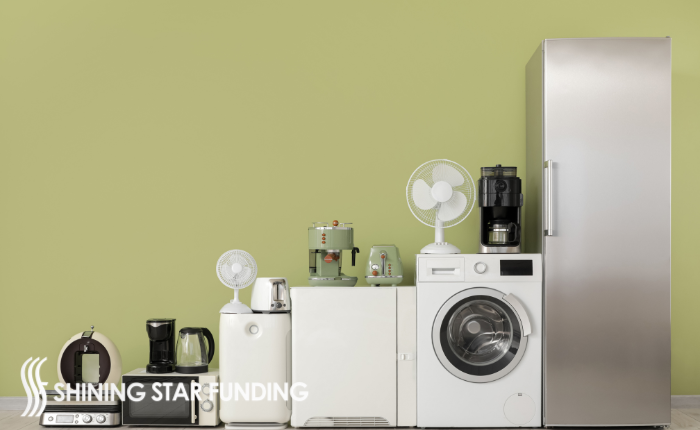
Which Appliances Are Included In A Home Sale?
Most purchase agreements clearly outline which appliances are included with the property. Buyers should never rely on verbal promises alone.
Commonly included appliances in many home sales are:
| Appliance | Commonly Included? |
|---|---|
| Dishwasher | Usually included |
| Built-in oven | Usually included |
| Cooktop or stove | Usually included |
| Built-in microwave | Usually included |
| Range hood | Usually included |
| Refrigerator | Sometimes included |
| Washer and dryer | Negotiable |
| Garage refrigerator | Negotiable |
Buyers should review the sales contract carefully to verify exactly which items remain with the property after closing. Ensuring these transaction details remain highly transparent is an essential requirement for financing approval under mainstream paths like standard conventional loans.
During the homebuying process, misunderstandings about appliances can lead to unnecessary disputes right before move-in day.
Are Washer And Dryer Considered Appliances?
Yes, washer and dryer units are considered household appliances. However, they are usually classified as personal property instead of permanent fixtures.
That distinction matters because sellers are often allowed to remove personal property unless it is specifically included in the contract.
Many buyers ask, “are washer and dryer considered appliances” because laundry equipment can represent a significant expense after moving into a new home.
In some cases, sellers leave laundry appliances behind because moving them is inconvenient. In other situations, sellers may want to take newer or high-end units to their next property.
If having a washer and dryer included is important to you, make sure the agreement specifically lists:
- Brand names
- Model numbers
- Included accessories
- Condition expectations
Clear documentation helps prevent confusion during final walkthroughs.
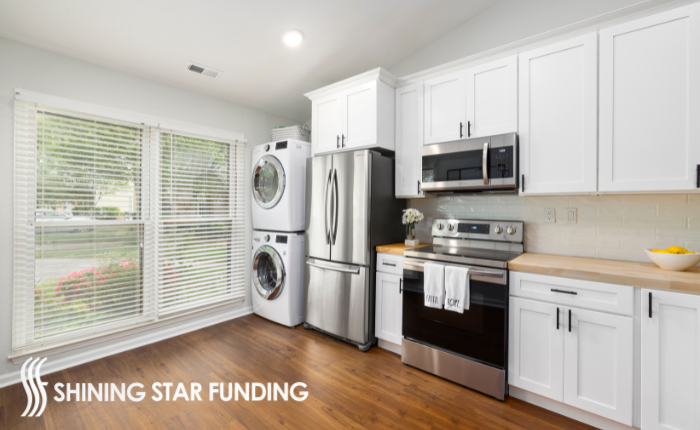
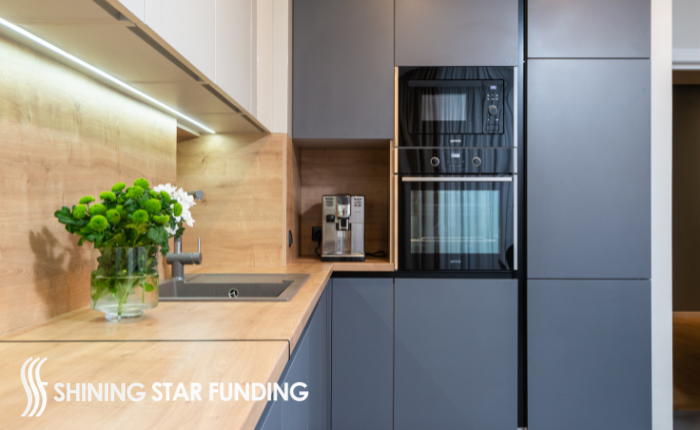
Appliances Up For Negotiation
Not every appliance automatically stays with the property. Some items are frequently negotiated during the homebuying process depending on buyer demand, seller preferences, and market conditions.
Refrigerators
Refrigerators are one of the most commonly negotiated appliances in residential real estate. Sellers may choose to take specialty refrigerators or newer premium models.
Washers And Dryers
Laundry appliances are highly negotiable because they are easy to move and often expensive to replace.
Outdoor Appliances
Outdoor kitchens, grills, pizza ovens, and patio refrigerators may or may not remain with the home.
Garage Appliances
Additional refrigerators or freezers in garages are often excluded unless specifically negotiated.
Smart Appliances
Modern homes increasingly include smart refrigerators, connected ovens, and app-controlled laundry systems. Buyers should verify whether accounts, warranties, and connected devices transfer with the sale.
New Homes: What Appliances Must To Be Included?
Buyers often ask, “new homes what apliances must to be included” when purchasing newly constructed properties.
In reality, there is no universal rule requiring builders to include specific appliances. What comes with a new home depends entirely on the builder’s package and contract terms.
Some builders include:
- Dishwashers
- Ranges
- Microwaves
- Basic kitchen packages
Others May Charge Extra For:
- Refrigerators
- Laundry appliances
- Premium appliance upgrades
- Luxury smart appliances
Buyers should carefully review model-home advertisements because display homes sometimes showcase upgraded appliances not included in standard pricing.
During the homebuying process, asking detailed questions about appliance packages can prevent unexpected costs later.
How To Negotiate Appliances In A Sales Contract
Negotiating appliances is a normal part of many real estate transactions. Buyers who approach negotiations strategically may save thousands of dollars on replacement costs.
Request Appliances Early
Include appliance requests in the initial offer whenever possible. Waiting until later stages may weaken your negotiating position. Once you are prepared to secure your financing structure and submit a competitive purchase file, you can securely apply now online to coordinate active processing with our advisory group.
Be Specific In Writing
The contract should clearly identify included appliances.
Instead of writing “kitchen appliances included,” list:
- Refrigerator
- Dishwasher
- Washer and dryer
- Wine cooler
Detailed contracts reduce the risk of misunderstandings.
Use Appliances As Negotiation Tools
In competitive markets, buyers may accept the home “as-is” but request appliances instead of repairs or price reductions.
Sellers may prefer leaving appliances behind rather than moving them to another property.
Review The Final Walkthrough Carefully
Before closing, complete a final walkthrough to confirm all negotiated appliances remain in the home and are functioning properly.
If agreed-upon items are missing, buyers should address the issue before finalizing the transaction.
Why Appliance Details Matter In The Homebuying Process
Appliance costs can quickly add up after purchasing a property. Replacing a refrigerator, washer, dryer, and kitchen suite may cost several thousand dollars. According to financial marketplace calculations outlined by Investopedia’s homeownership cost study, unexpected maintenance and equipment overhead can significantly alter initial move-in budgets if unmanaged.
For first-time buyers balancing moving expenses, self-employed borrowers managing cash reserves, retirees seeking predictable expenses, and investors furnishing rental properties, included appliances can significantly affect affordability. Sellers can cross-reference our guide on how to prepare your home for sale to systematically plan which assets to clear or leave as inclusions.
Understanding appliance expectations also helps buyers compare properties more accurately during the homebuying process.
One property priced slightly higher may offer better overall value if it includes newer appliances that reduce immediate out-of-pocket expenses.
Final Thoughts
So, do houses come with appliances? Sometimes yes, sometimes no. The answer depends on the property type, local customs, seller preferences, and contract negotiations.
Knowing what are appliances for a house, understanding which items are considered fixtures, and clarifying whether washer and dryer units stay with the property can help buyers avoid surprises before closing.
Whether purchasing a resale home, investment property, or new construction house of appliances, reviewing the contract carefully and negotiating strategically can protect your budget and improve your overall experience during the homebuying process.
Before signing any agreement, confirm exactly which appliances are included so you can move into your new home with confidence and fewer unexpected expenses. To access our complete library of analytical checklists and housing summaries, check out our primary homebuyer resources grid archive.
Frequently Asked Questions
Home equity is the portion of your home you actually own—the difference between market value and what you still owe. It is important because it builds personal net worth over time, can be borrowed against for financial needs, increases as you pay down your mortgage, and may grow with property appreciation. This makes it a core driver of home equity and building generational wealth.
Yes—appliances are often part of negotiation. Buyers can request refrigerator inclusion, washer/dryer inclusion, replacement of old appliances, or appliance credits instead of physical items. This is very common in competitive markets.
In general, the answer to do houses come with appliances is: sometimes, but not always. Some homes include appliances, while others do not. It depends on the seller, the market, and what is written in the purchase contract. Built-in fixtures are more likely to stay, but freestanding items are often negotiable.
Refrigerators, washers, and dryers are not guaranteed to stay. These are usually considered personal property and may be taken by the seller unless explicitly included in the agreement. So when asking do houses come with appliances, assume major items like fridges are not automatically included unless stated.
When it comes to new homes what appliances must be included, it varies by builder. Common inclusions usually include the stove/oven, dishwasher, and microwave. Sometimes included (or offered as options) are the refrigerator, washer, and dryer. Always confirm with the builder contract.
To successfully negotiate appliances: list appliances clearly in your offer, specify brands or models if needed, include them explicitly in the purchase agreement, and confirm condition (working or “as-is”). If it’s not in writing, it is not guaranteed.
Understanding what are appliances for a house helps clarify what might stay. Appliances generally include kitchen appliances (stove, fridge, microwave), laundry machines (washer and dryer), and HVAC systems (heating and cooling units). But only some of these are considered part of the home transfer by default.
A house of appliances typically refers to listings where sellers include most or all major appliances as part of the sale. This is not standard industry terminology, but it often indicates move-in ready homes, new construction upgrade packages, or fully furnished deals.
The safest assumption is: built-in appliances usually stay, freestanding appliances usually do not, everything is negotiable, and only written agreements matter. Never assume when dealing with do houses come with appliances—always verify before closing.
Commonly included items often depend on whether they are built-in or fixed: built-in ovens and cooktops, dishwashers, built-in microwaves, and garbage disposals. Freestanding appliances like refrigerators or washers are less consistently included.

527 Sycamore Valley Rd W, Danville, CA 94526
Toll Free Call : (866) 280-0020
For informational purposes only. No guarantee of accuracy is expressed or implied. Programs shown may not include all options or pricing structures. Rates, terms, programs and underwriting policies subject to change without notice. This is not an offer to extend credit or a commitment to lend. All loans subject to underwriting approval. Some products may not be available in all states and restrictions may apply. Equal Housing Opportunity.
Interactive calculators are self-help tools. Results received from this calculator are designed for comparative and illustrative purposes only, and accuracy is not guaranteed. Shining Star Funding is not responsible for any errors, omissions, or misrepresentations. This calculator does not have the ability to pre-qualify you for any loan program or promotion. Qualification for loan programs may require additional information such as credit scores and cash reserves which is not gathered in this calculator. Information such as interest rates and pricing are subject to change at any time and without notice. Additional fees such as HOA dues are not included in calculations. All information such as interest rates, taxes, insurance, PMI payments, etc. are estimates and should be used for comparison only. Shining Star Funding does not guarantee any of the information obtained by this calculator.
Privacy Policy | Accessibility Statement | Term of Use | NMLS Consumer Access
CMG Mortgage, Inc. dba Shining Star Funding, NMLS ID# 1820 (www.nmlsconsumeraccess.org, www.cmghomeloans.com), Equal Housing Opportunity. Licensed by the Department of Financial Protection and Innovation (DFPI) under the California Residential Mortgage Lending Act No. 4150025. To verify our complete list of state licenses, please visit www.cmgfi.com/corporate/licensing