
Home Inspection Cost Uncovered: Protecting Your Real Estate Investment Portfolio
Stepping into the final stages of a property transaction brings a whirlwind of excitement, but it also requires a disciplined review of closing line items. Among these critical milestones, evaluating the home inspection cost stands out as a non-negotiable step to insulate your capital from hidden structural liabilities. A comprehensive physical evaluation ensures you know exactly what condition the asset is in before finalizing the transaction. For anyone navigating the complex modern homebuying process, knowing what to budget for these evaluations transforms guesswork into real, strategic negotiation leverage. Bypassing or underestimating this phase can result in inheriting tens of thousands of dollars in deferred maintenance, making an upfront assessment one of the smartest fiscal moves you can make.
Every individual entering the housing market needs a custom roadmap. First-time homebuyers often need a clear explanation of upfront outlays, self-employed home buyers require clear budgeting data to manage fluctuating cash reserves, and retirees or asset-rich individuals seeking for real estate investments must run tight math on structural risks to protect their yields. Reviewing comprehensive homebuyer resources early in the asset search ensures your transaction timeline matches standard industry safety practices.
How Much Does the Average Home Inspection Cost?
For a standard single-family property, buyers can generally expect to encounter an average house inspection cost ranging between $300 and $550. This baseline financial investment covers a standard operational analysis of the property’s primary structural, mechanical, and safety components. While a few hundred dollars might seem like an annoying extra expense when you are already dealing with massive down payments, it represents a tiny fraction of the overall purchase price. Having this clear estimate in mind allows you to build a comprehensive cash reserve well before heading to the closing table. Many property owners research these variables to clarify milestones within the general homebuying process lifecycle.
What Determines the Cost of a Home Inspection?
There is no single universal price tag for a property evaluation because every piece of real estate presents distinct architectural and geographic variables. When estimating how much is a home inspection for your specific property, several primary real estate drivers will dictate the final quote provided by the firm. Buyers can safely run early financial simulations using a standalone mortgage calculator to optimize their liquidity requirements before underwriting.
- Location: Local economic dynamics heavily influence consumer pricing. Properties located within major high-cost metropolitan centers or remote rural locations requiring long travel times will naturally see higher baseline service charges than suburban properties located near an agency’s home base.
- Square Footage: The physical volume of the structure dictates how long the inspector must spend on-site evaluating the building envelope. A small 900-square-foot condominium takes significantly less time to thoroughly audit than an expansive 4,500-square-foot luxury estate, meaning home inspection costs scale upward alongside total floor area.
- Property Type: Complex building designs require specialized attention. Assessing an ancient historic homestead with stone foundations, multiple additions, and outdated knob-and-tube electrical wiring requires significantly more diagnostic effort than reviewing a newly built, cookie-cutter suburban tract house.
- Inspector Experience: Highly credentialed master inspectors who possess decades of engineering experience or carry premium specialized insurance policies typically charge higher rates than newly licensed technicians entering the local market. Paying for premier expertise is often a smart trade-off to ensure subtle structural deficiencies are caught.
What Is Included in a Standard Home Inspection?
A standard evaluation is a non-invasive, visual examination designed to give you an overview of the home’s current condition. The inspector will walk through the property, operating standard built-in appliances and checking critical systems. This assessment is central to verifying asset safety, particularly when anchoring a standard conventional loan timeline, as it provides a comprehensive written summary complete with detailed photographs detailing the operational status of the property’s core components:
| System Evaluated | Core Components Checked |
|---|---|
| Structural Components | Foundation walls, framing members, floor joists, ceilings, and visible structural supports. |
| Exterior Elements | Siding, flashing, trim, walkways, driveways, patios, steps, and proper grading for drainage. |
| Roofing Systems | Roof coverings, shingles, gutters, downspouts, vents, and general chimney conditions. |
| Plumbing Infrastructure | Interior water supply lines, fixtures, faucets, drains, waste pumps, and water heating units. |
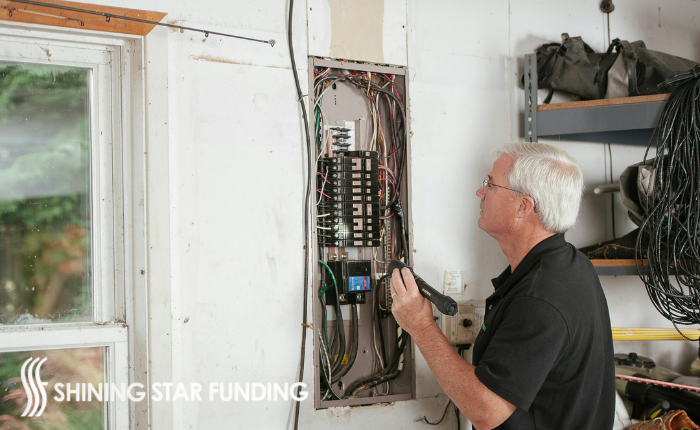
| Electrical Panels & Wiring | Service panels, breakers, main grounding systems, light switches, and GFCI outlets. |
| HVAC Mechanicals | Heating units, central air conditioning compressors, ductwork, and basic ventilation functionality. |
Understanding and Budgeting for Special Home Inspections
While a standard report covers the foundational health of a home, standard inspectors do not pull down drywall, dig underground, or run specialized diagnostic lab equipment. If a home is older, sits in a region prone to specific environmental hazards, or shows visible warning signs of deeper issues, you will need to pay for targeted specialty evaluations. Knowing exactly what questions to ask when buying a house ensures you bring out the correct field technicians during your option period. Understanding the separate cost of home inspection add-ons ensures you don’t find yourself exposed to hidden environmental disasters.
Common specialty assessments include sewer scope videos, radon gas monitoring, industrial mold air testing, wood-destroying organism (termite) certificates, and lead-based paint sampling. Each of these requires specific tools and advanced laboratory processing, which means they are billed as completely separate line items outside of your initial standard quote.
How Much Does a Special Home Inspection Cost?
If you need to supplement your standard report with specialized tests, you must factor those specific fees into your total transaction budget. Let us break down the standard pricing tiers for common secondary evaluations:
- Sewer Scope Inspection ($150 – $300): A technician feeds a fiber-optic video camera down the primary waste line to check for cracked pipes, bellies, or invasive tree root blockages that could cause catastrophic plumbing backups.
- Radon Testing ($150 – $250): Continuous electronic monitors are left inside the lowest level of the home for 48 hours to check for invisible, radioactive gas levels that violate safety guidelines.
- Mold and Air Quality Testing ($200 – $400): Air canisters collect indoor particulate samples to check for dangerous elevated airborne spore counts behind damp walls.
- Termite and Pest Evaluation ($75 – $150): A specialized specialist searches the lowest wooden timbers for signs of active wood-boring insect infestations or historical structural rot.
Is the Cost of a Home Inspection Worth It?
When you look closely at the math behind how much does a home inspection cost versus the massive expense of unexpected structural renovations, the value proposition becomes instantly clear. For a real estate investor or a first-time homebuyer, spending a few hundred dollars upfront is the ultimate form of portfolio insurance. Underwriters may occasionally approve an appraisal waiver to streamline processing if the loan-to-value matches baseline criteria, but a physical home inspection remains entirely indispensable to the purchaser. The resulting written report gives you a powerful document that can be used to re-open price discussions before the closing paperwork is finalized.
If the report reveals a failing furnace or a cracked roof, you can legally request that the seller fix the problems out of their own pocket before you take possession, or demand a significant price reduction to cover the future repair bills. To evaluate how these dynamic costs integrate into your long-term liquidity plan, keep an eye on our updated real-time rates table. If the seller refuses to cooperate, you can use the contingency clause in your contract to walk away from the deal entirely with your earnest money deposit fully intact. If you are ready to secure capital under optimal conditions, you can apply now to lock in your digital profile today. Protecting your journey through the homebuying process means treating this minor evaluation fee as a crucial shield for your household budget, ensuring you step over the threshold with complete confidence and total clarity.
Frequently Asked Questions
While the average prices are remarkably close—with appraisals hovering around $358 and inspections around $343—they are entirely different steps in the homebuying process. An appraisal is required by your mortgage lender to establish the fair market value of the property, ensuring the home is worth the amount you agreed to pay. An inspection is optional (but highly recommended) for the buyer’s peace of mind to verify the actual physical condition and safety of the house.
Yes, size is one of the most direct factors driving home inspection costs. Because a larger house simply takes more time to thoroughly review, inspectors adjust their pricing accordingly. Many professionals charge a flat base fee for homes up to 2,000 square feet and then add a set premium (often around $25 for every additional 500 square feet) beyond that.
Where you are buying plays a massive role in how much is a home inspection. In major metropolitan areas or regions with a higher cost of living, inspector rates naturally lean higher due to increased operational costs and local demand. For example, a basic inspection in Miami might cost around $300, while the exact same size home in New York City or Philadelphia can easily average $450.
The architectural structure of your prospective home alters the scope of work. A detached single-family home requires a top-to-bottom review of standalone systems like roofs, siding, and foundations. Conversely, a condominium or townhome is usually cheaper to inspect because the inspector only needs to evaluate the interior living spaces—the exterior shell and roof are typically maintained by a home-owners association (HOA).
Specialized tests are priced individually and added to your base house inspection cost. If a standard inspector flags a potential issue, or if you are buying an older home, you might choose to invest in these specific add-ons: Radon Testing: $250; Termite/Pest Inspection: $125 – $325; Sewer Scope (Camera down main drain): $270 – $1,734; Mold or Asbestos Inspection: $490 – $660; Foundation Specific Inspection: $300 – $750.
On average, a standard professional evaluation will run you about $343. While that is the benchmark, most buyers find that their actual house inspection cost lands anywhere between $296 and $424. This fee is typically paid directly by the buyer at the time of the service, independent of your other mortgage closing costs.
Without question, yes. Spending roughly $350 upfront can save you thousands—if not tens of thousands—of dollars down the road. If the inspector discovers a major issue like a cracked foundation or a failing roof, you can use the official report to negotiate a lower purchase price, ask the seller to make the repairs before closing, or walk away from the deal entirely with your earnest money intact. It is a small price to pay to ensure your dream home doesn’t turn into a financial nightmare.
A standard home inspection is strictly a visual, non-invasive assessment. It does not look behind drywall, underground, or test for microscopic environmental health hazards. A special (or specialized) home inspection is an add-on service that targets specific, hidden dangers or specialized structures using technical equipment like thermal imaging, sewer scopes, or laboratory tests.
A standard visual inspection covers the major structural and mechanical elements of the property. The inspector will spend two to four hours actively evaluating structural elements (foundation, framing, attic, roof), mechanical systems (HVAC functionality), plumbing and electrical (visible pipes, panels, breakers), and interior/exterior items (windows, doors, siding, perimeter grading).
Not all home inspectors are created equal. An experienced professional with specialized certifications, structural engineering credentials, or decades in the field will naturally command a higher price than someone who just finished their basic licensing requirements. When looking at the cost of home inspection, paying slightly more for a highly rated, seasoned pro can mean the difference between spotting a failing foundation and missing it entirely.

527 Sycamore Valley Rd W, Danville, CA 94526
Toll Free Call : (866) 280-0020
For informational purposes only. No guarantee of accuracy is expressed or implied. Programs shown may not include all options or pricing structures. Rates, terms, programs and underwriting policies subject to change without notice. This is not an offer to extend credit or a commitment to lend. All loans subject to underwriting approval. Some products may not be available in all states and restrictions may apply. Equal Housing Opportunity.
Interactive calculators are self-help tools. Results received from this calculator are designed for comparative and illustrative purposes only, and accuracy is not guaranteed. Shining Star Funding is not responsible for any errors, omissions, or misrepresentations. This calculator does not have the ability to pre-qualify you for any loan program or promotion. Qualification for loan programs may require additional information such as credit scores and cash reserves which is not gathered in this calculator. Information such as interest rates and pricing are subject to change at any time and without notice. Additional fees such as HOA dues are not included in calculations. All information such as interest rates, taxes, insurance, PMI payments, etc. are estimates and should be used for comparison only. Shining Star Funding does not guarantee any of the information obtained by this calculator.
Privacy Policy | Accessibility Statement | Term of Use | NMLS Consumer Access
CMG Mortgage, Inc. dba Shining Star Funding, NMLS ID# 1820 (www.nmlsconsumeraccess.org, www.cmghomeloans.com), Equal Housing Opportunity. Licensed by the Department of Financial Protection and Innovation (DFPI) under the California Residential Mortgage Lending Act No. 4150025. To verify our complete list of state licenses, please visit www.cmgfi.com/corporate/licensing