
Green Architecture And Modern Homeownership: Sustainable Living, Smart Design, And Long-Term Value

Why Green Architecture Is Transforming Modern Housing
As energy costs rise and environmental awareness grows, more homeowners are exploring sustainable housing options that reduce long-term expenses while improving quality of life. Green architecture has become one of the fastest-growing trends in residential real estate because it combines environmental responsibility with modern comfort, efficiency, and financial savings.
From energy-efficient materials to renewable power systems, green architecture design focuses on creating homes that minimize environmental impact while maximizing durability and functionality. Whether you are a first-time buyer, retiree, self-employed homeowner, or real estate investor, utilizing comprehensive homebuyer resources can help you make smarter long-term homeownership decisions.
Today’s buyers increasingly want properties that support lower utility bills, healthier indoor environments, and stronger resale value. As a result, green architecture home design is becoming a major factor influencing home construction, neighborhood development, and property investment strategies.
What Is Green Architecture, And What Is Its Purpose?
Green architecture refers to the design and construction of buildings that reduce environmental impact through energy efficiency, sustainable materials, and environmentally responsible building practices.
The primary purpose of green design architecture, as documented in comprehensive global design studies like the Britannica green architecture overview, is to create homes and buildings that:
- Use less energy
- Reduce waste
- Conserve water
- Improve indoor air quality
- Lower carbon emissions
- Support long-term sustainability
For many buyers pursuing long-term homeownership, green architecture also provides financial advantages through reduced operating costs and improved energy efficiency.
One of the most common questions homeowners ask is: what makes a building green? In most cases, green buildings are designed to minimize environmental impact while improving efficiency and occupant comfort.
Green Architecture Terms To Know
Understanding common sustainability terms can help buyers make informed decisions when evaluating eco-friendly properties.
LEED Certification
LEED stands for Leadership in Energy and Environmental Design. It is one of the most recognized green building certification systems used worldwide.
Net-Zero Home
A net-zero home produces as much energy as it consumes annually, often through renewable energy systems such as solar panels. When building a sustainable property from the ground up, reviewing how standard construction loans explained guidelines apply can help structure your initial draw timelines appropriately.
Passive Solar Design
This approach uses a building’s orientation, windows, and materials to naturally regulate indoor temperatures.
Energy Star
Energy Star-certified products meet government standards for energy efficiency.
Sustainable Materials
These are environmentally friendly construction materials that minimize waste, pollution, and resource depletion.
Learning these terms can help homeowners better understand green architecture design options during the buying or construction process.
A Brief History Of Green Architecture
Although sustainable building concepts have gained popularity in recent decades, many principles of green architecture date back centuries.
Ancient civilizations often designed homes using natural ventilation, local materials, and climate-responsive layouts long before modern heating and cooling systems existed.
In the twentieth century, environmental concerns and rising energy costs renewed interest in energy-efficient construction methods. Architects and engineers began developing modern green design architecture strategies focused on reducing energy consumption and improving sustainability.
Today, green architecture home design continues evolving through advancements in renewable energy, smart home technology, eco-friendly insulation, water conservation systems, and energy-efficient appliances.
As environmental priorities continue shaping real estate trends, sustainable housing has become an increasingly important part of modern homeownership.
Characteristics Of Green Architecture
Green homes often include a combination of energy-efficient systems, sustainable materials, and environmentally conscious design features.
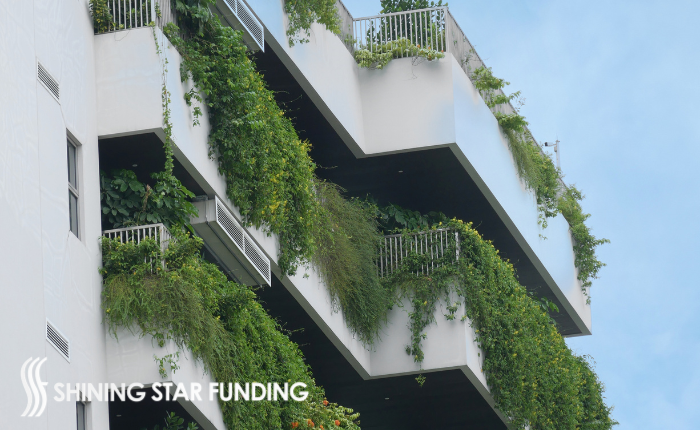
Alternative Energy Sources
Renewable energy systems play a major role in green architecture.
Common alternative energy sources include solar panels, geothermal heating systems, wind energy systems, and solar water heaters.
These technologies can reduce dependence on traditional utility systems while lowering long-term energy costs. For many homeowners, renewable energy improves both sustainability and financial predictability.
Energy Conservation
Energy efficiency is one of the most important characteristics of green architecture design.
Energy-saving features may include high-performance windows, advanced insulation, efficient HVAC systems, LED lighting, smart thermostats, and energy-efficient appliances.
These systems help reduce monthly utility expenses while improving indoor comfort. To forecast exactly how much an efficient property upgrade can trim from your monthly overhead, homeowners can utilize interactive mortgage calculators to run dynamic payment simulations.
For buyers focused on affordable homeownership, energy conservation can significantly lower long-term housing costs.
Use Of Sustainable And Recycled Materials
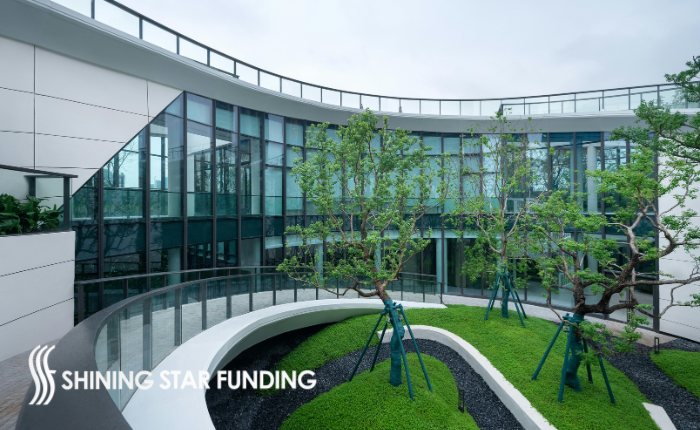
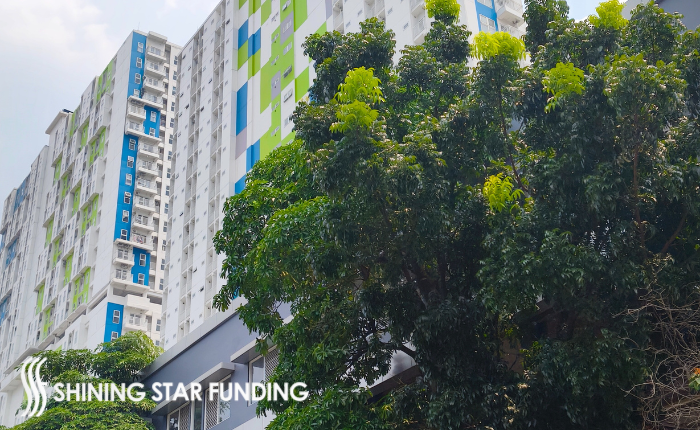
Green design architecture often prioritizes environmentally friendly building materials.
Examples include reclaimed wood, recycled steel, bamboo flooring, low-VOC paint, and recycled insulation products. Using sustainable materials helps reduce environmental impact while improving indoor air quality and minimizing waste.
Water Efficiency
Many green homes include water-saving systems such as low-flow plumbing fixtures, rainwater collection systems, drought-resistant landscaping, and efficient irrigation systems. Water conservation can reduce utility expenses and support long-term environmental sustainability.
Indoor Environmental Quality
Green architecture home design also focuses on healthier indoor living environments.
Features may include improved ventilation systems, natural lighting, reduced chemical exposure, and advanced air filtration systems. These elements can improve overall comfort and wellness for homeowners.
What Makes A Building Green?
Several factors determine what makes a building green. Sustainable buildings generally prioritize efficiency, durability, and environmental responsibility throughout construction and daily operation.
A green building often includes efficient energy usage, renewable energy systems, sustainable construction materials, reduced environmental impact, water conservation strategies, and smart technology integration.
Green architecture is not limited to luxury properties. Many affordable homes now include eco-friendly features that support practical homeownership goals.
Where Can I Find Green Homes?
Green homes are becoming increasingly common across both urban and suburban housing markets.
New Residential Developments
Many newly constructed communities now include energy-efficient homes built using modern sustainability standards.
Custom Home Builders
Some buyers choose custom green architecture home design projects to create fully personalized sustainable properties.
Eco-Friendly Neighborhoods
Certain master-planned communities prioritize walkability, renewable energy systems, shared green spaces, and sustainable infrastructure.
Existing Homes With Green Upgrades
Not all green homes are newly built. Older homes may also qualify as environmentally friendly after renovations such as solar panel installation, window upgrades, efficient insulation, and HVAC modernization.
For buyers exploring long-term homeownership opportunities, evaluating energy-efficient upgrades can provide valuable insight into future operating costs. Homebuyers often cross-reference these upgrade protocols against their long-term equity plans, asking is buying a house a good investment when factoring in modern energy reductions.
How Can I Pay For A Green Home?
Several financing options may help buyers purchase or upgrade sustainable properties.
Traditional Mortgage Financing
Many green homes qualify for traditional financing paths like an optimized conventional loan footprint, which offers highly stable terms for energy-efficient properties.
Energy-Efficient Mortgages
Some mortgage programs allow borrowers to finance energy-efficient improvements as part of the home loan. These loans may help cover upgrades such as solar panels, energy-efficient windows, HVAC improvements, and insulation upgrades.
Construction Loans
Borrowers building custom green architecture design projects may use construction financing during the building phase.
Government Incentives
Some homeowners may qualify for energy tax credits, local rebates, renewable energy incentives, and efficiency grant programs. These programs can help offset the cost of environmentally friendly upgrades.
Green Architecture And Long-Term Homeownership Value
Sustainable housing can provide long-term advantages beyond environmental benefits.
Potential benefits include lower utility bills, reduced maintenance costs, improved indoor comfort, potential resale appeal, and energy independence.
As buyer demand for sustainable housing continues growing, green architecture may become an increasingly important factor in property valuation and market competitiveness. Tracking how these specialized eco-features stabilize your property value over time should always be paired with monitoring live real-time rates to map out the perfect financial execution.
For investors and homeowners alike, energy-efficient properties may offer stronger appeal in future housing markets.
Final Thoughts On Green Architecture
Green architecture continues reshaping modern homeownership by combining sustainability, efficiency, and long-term financial value. Whether through renewable energy systems, sustainable materials, or advanced energy conservation strategies, eco-friendly homes offer practical benefits for many types of buyers.
As more people prioritize healthier living environments and lower operating costs, green architecture home design is becoming a major force in residential real estate development.
From first-time homebuyers to retirees and experienced investors, understanding what makes a building green can help buyers make smarter housing decisions that support both financial goals and environmental responsibility for years to come. When you are fully prepared to secure funding for your sustainable home project, you can easily apply online now to lock in your tailored underwriting criteria.
Frequently Asked Questions
Yes! While it’s easier to implement green architecture home design in new builds, existing homes can be “retrofitted” with better insulation, smart thermostats, and solar panels to achieve green standards.
Initially, yes. Sustainable materials and high-efficiency systems can add 5% to 15% to upfront costs. However, homeowners typically recoup these costs within a few years through significantly lower utility bills.
Solar panels convert sunlight into electricity, while geothermal systems tap into the constant temperature of the earth to provide heating and cooling. Both reduce or eliminate reliance on the traditional power grid.
By avoiding materials with toxic chemicals and using advanced ventilation systems, green homes reduce allergens and pollutants, leading to a healthier living environment for the family.
Absolutely. Modern buyers are looking for energy efficiency. Studies show that homes with “green” certifications often sell faster and for higher prices than traditional homes.
Key terms include Net Zero (the home produces as much energy as it consumes), Carbon Footprint (the total greenhouse gas emissions caused by the building), and Greywater (gently used water from sinks or showers that is recycled for irrigation).
Bamboo is a favorite because it grows incredibly fast. Reclaimed wood, recycled metal, and “Hempcrete” are also popular for their low environmental impact and high durability.
This is a key part of green architecture design where the home is oriented to the sun. Large south-facing windows soak up heat in the winter, while strategic overhangs provide shade in the summer, naturally regulating the home’s temperature without using electricity.
The primary goal is to create structures that are environmentally responsible and resource-efficient throughout their entire life cycle—from sitting and design to construction, operation, and eventual demolition.
Look for “Energy Star” certified listings on real estate sites or search for communities specifically branded as “Agrihoods” or “Eco-Villages” that prioritize sustainable living.

527 Sycamore Valley Rd W, Danville, CA 94526
Toll Free Call : (866) 280-0020
For informational purposes only. No guarantee of accuracy is expressed or implied. Programs shown may not include all options or pricing structures. Rates, terms, programs and underwriting policies subject to change without notice. This is not an offer to extend credit or a commitment to lend. All loans subject to underwriting approval. Some products may not be available in all states and restrictions may apply. Equal Housing Opportunity.
Interactive calculators are self-help tools. Results received from this calculator are designed for comparative and illustrative purposes only, and accuracy is not guaranteed. Shining Star Funding is not responsible for any errors, omissions, or misrepresentations. This calculator does not have the ability to pre-qualify you for any loan program or promotion. Qualification for loan programs may require additional information such as credit scores and cash reserves which is not gathered in this calculator. Information such as interest rates and pricing are subject to change at any time and without notice. Additional fees such as HOA dues are not included in calculations. All information such as interest rates, taxes, insurance, PMI payments, etc. are estimates and should be used for comparison only. Shining Star Funding does not guarantee any of the information obtained by this calculator.
Privacy Policy | Accessibility Statement | Term of Use | NMLS Consumer Access
CMG Mortgage, Inc. dba Shining Star Funding, NMLS ID# 1820 (www.nmlsconsumeraccess.org, www.cmghomeloans.com), Equal Housing Opportunity. Licensed by the Department of Financial Protection and Innovation (DFPI) under the California Residential Mortgage Lending Act No. 4150025. To verify our complete list of state licenses, please visit www.cmgfi.com/corporate/licensing