
Fence on Property Line: Rules, Costs, and FAQs Every Homeowner Should Know

Adding a fence can improve privacy, security, and property value, but placing a fence on property line comes with legal and practical considerations that every buyer or owner should understand. Whether you’re upgrading your outdoor space or planning improvements for investment purposes, knowing the rules around building a fence on property line can help prevent disputes and costly mistakes. Before breaking ground on backyard updates, plotting your estimated costs with an online mortgage calculator can help preserve liquid cash flow allocations.
In the world of homeownership, few projects seem simple at first but become complex due to local laws and neighbor relationships. Before installing a fence, it’s important to understand regulations, responsibilities, and your rights. Navigating municipal codes and boundary guidelines becomes much smoother when consulting centralized homebuyer resources.
What Is Fence Law?
Fence law refers to the collection of local ordinances, state rules, and property regulations that govern where and how fences can be built. These laws vary widely depending on your location, but they generally address:
- Property boundaries and setbacks
- Fence height and materials
- Shared responsibilities between neighbors
- Permit requirements
When building a fence on property line, fence law becomes especially important because the structure may impact both you and your neighbor. In many areas, a fence placed directly on the boundary is considered a shared structure, meaning both parties may have rights and responsibilities.
Understanding these rules is essential for anyone involved in homeownership, from first-time buyers to seasoned real estate investors managing multiple properties. Many properties feature hidden neighborhood limitations, so reviewing a comprehensive guide to deed restrictions can protect your capital footprint before construction begins.
FAQs for Building a Fence on or Near Your Property Line
Do I Need a Fence Building Permit?
In most cases, yes. Local governments often require permits for fence construction, especially when building fence on property line or installing a fence that exceeds a certain height. These permit requirements help ensure your fence complies with local zoning regulations, setback rules, and neighborhood safety standards. Before starting your project, check with your city or county building department to confirm the specific requirements for building a fence on or near a property boundary. Reviewing a detailed breakdown of available fence options can help balance budget restrictions against code mandates.
Before starting a project, check with your local municipality. Even if you’re planning a small fence, skipping this step could result in fines or having to remove the structure later.

How Close to a Property Line Can I Build?
The distance you can build from a property line depends on local zoning regulations. Some areas allow fences directly on the boundary, while others require a setback of a few inches or feet.
If you’re asking, can i build a fence on my property line, the answer depends on your local rules. Always confirm measurements and requirements before construction begins. If your property features a registered municipal or utility easement, placement parameters may be tightly restricted.
Can My Neighbor Build a Fence on the Property Line?
Yes, in many areas, a neighbor can build a fence on property line, but they may need your consent. If the fence sits directly on the boundary, it is often considered jointly owned.
Communication is key. Discuss plans early to avoid misunderstandings and ensure both parties are comfortable with the design and placement. Most traditional home improvement projects are executed using a standard conventional loan due to its straightforward qualification guidelines and immediate disbursement timelines.

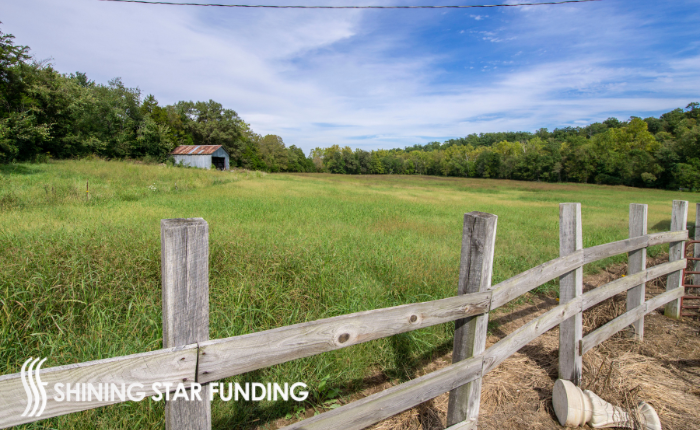
Can I Build a Fence Next to My Neighbor’s Fence?
Yes, you can usually build your own fence adjacent to your neighbor’s fence, provided it is entirely within your property boundaries. This approach is sometimes chosen when neighbors cannot agree on a shared fence.
However, this may reduce usable space and increase costs, so it’s worth considering collaboration before proceeding.
Who Pays for a Fence on a Property Line?
Costs are often shared when a fence is placed directly on the boundary, but this depends on local laws and agreements between neighbors. Some regions require equal cost-sharing, while others leave it up to the parties involved. To align your financing timelines alongside changing market environments, monitoring real-time rates is highly recommended.
For those navigating homeownership, especially retirees or budget-conscious buyers, discussing costs upfront can prevent disputes later.
Can I Remove My Neighbor’s Fence from My Property?
If a fence is entirely on your property without permission, you may have the right to request its removal. However, legal processes may be required, and it’s best to resolve the issue through communication first.
Property surveys and legal advice can help clarify ownership before taking action.
How Can I Determine Where My Property Line Is Before Installing a Fence?
Accurate property boundaries are crucial when building a fence on property line. Here are common ways to determine your boundary:
- Review your property survey documents
- Hire a licensed surveyor
- Check local land records or plats
Skipping this step can lead to disputes, fines, or even forced removal of the fence. For anyone serious about homeownership, verifying boundaries is a non-negotiable step.
Can I Modify a Fence on a Property Line Without My Neighbor’s Consent?
If the fence is shared, modifications typically require agreement from both parties. Changes such as height adjustments, repairs, or replacements should be discussed beforehand.
Making unilateral changes could lead to legal issues, especially if the fence is considered jointly owned.
Key Considerations Before Building a Fence on Property Line
Installing a fence is more than just a construction project—it’s a decision that affects property value, neighbor relationships, and long-term maintenance.
- Check local zoning and fence laws
- Confirm property boundaries with a survey
- Discuss plans with your neighbor
- Understand cost-sharing expectations
- Secure necessary permits
These steps can help ensure a smooth process and protect your investment in homeownership. When you are prepared to secure your financing framework and proceed with primary residential improvements, you can apply now to launch your approval verification parameters.
Benefits of Placing a Fence on the Property Line
When done correctly, placing a fence on property line offers several advantages:
- Maximizes usable yard space
- Provides clear boundary definition
- Enhances privacy and security
- Can increase property value
For real estate investors and asset-rich buyers, these benefits can make a property more attractive to future buyers or tenants.
Potential Challenges to Watch Out For
Despite its benefits, building a fence on property line can present challenges:
- Disputes over boundary placement
- Disagreements about design or materials
- Shared maintenance responsibilities
- Legal complications if regulations are ignored
Being proactive and informed can help you avoid these common pitfalls and maintain positive relationships with neighbors.
Practical Tips for a Smooth Fence Project
If you’re wondering, can i put a fence on my property line, the answer becomes clearer when you follow a structured approach:
- Start with a professional survey
- Review local laws and permit requirements
- Communicate openly with neighbors
- Document agreements in writing
- Choose durable materials for long-term value
These steps are particularly valuable for those balancing multiple properties or entering homeownership for the first time.
Final Thoughts on Fence on Property Line
Building a fence on property line can be a smart investment when handled correctly. It offers practical benefits while enhancing the overall appeal of your property. However, it also requires careful planning, legal awareness, and open communication.
For anyone involved in homeownership—whether you’re a first-time buyer, a self-employed professional, or an experienced investor—understanding the rules around building a fence on property line is essential. By taking the time to research, plan, and collaborate, you can create a solution that benefits both you and your neighbor while protecting your property for years to come.
Frequently Asked Questions
Technically, you can build your own fence inside your property line, even if a neighbor already has one. However, this creates a “no man’s land” gap that is nearly impossible to mow or maintain, which can lead to weed growth and pest issues. It is usually better to discuss sharing the existing fence.
If the fence on property line is a shared structure, you generally cannot change its height, color, or material without the other owner’s permission. If you own the fence entirely (it’s on your side of the line), you have more freedom, but HOA rules may still apply.
If a survey proves that a neighbor’s fence is encroaching on your land, you have the right to ask for its removal. However, you should never tear it down yourself. This is a civil matter that should be handled through a formal “notice to remove” or legal counsel to avoid trespassing or destruction of property charges.
Yes, generally a neighbor has the right to build on the boundary, provided they follow local zoning laws. However, if they are building fence on property line without your input, they are usually responsible for the entire cost and must ensure the “finished” side of the fence faces your property.
In most jurisdictions, yes. Before building a fence on property line, you should check with your local building department. Permits ensure that your fence complies with height restrictions (usually 6 feet in backyards and 4 feet in front yards) and doesn’t interfere with public easements or sightlines for traffic.
Never guess based on an old wooden stake or a neighbor’s word. The only way to be certain before building a fence on property line is to hire a professional surveyor. They will mark the exact corners of your lot, providing a legal document that protects you from future boundary disputes.
The answer varies by “setback” requirements. While many homeowners ask, “Can I put a fence on my property line?”, some cities require the fence to be set back 2 to 6 inches from the actual boundary. If your local laws allow it, you can place it directly on the line, but this typically requires a shared maintenance agreement with your neighbor.
Fence law is a combination of local municipal ordinances, state or provincial statutes, and Homeowners Association (HOA) rules that dictate the height, material, and placement of a fence. These laws are designed to prevent “spite fences” and ensure that any fence on property line meets safety and aesthetic standards.
Most local codes require that the “good” or finished side of the fence (the side without the visible rails and posts) faces the neighbor’s property or the street. When building a fence on property line, always check your local ordinances to ensure you aren’t forced to flip the panels after the work is completed.
Under many “Good Neighbor” laws, if a fence is located directly on the boundary and benefits both parties, the cost is shared equally. If you are the only one who wants the fence, or if you are wondering, “Can I build a fence on my property line by myself?”, you may have to foot the entire bill unless your neighbor agrees to contribute.

527 Sycamore Valley Rd W, Danville, CA 94526
Toll Free Call : (866) 280-0020
For informational purposes only. No guarantee of accuracy is expressed or implied. Programs shown may not include all options or pricing structures. Rates, terms, programs and underwriting policies subject to change without notice. This is not an offer to extend credit or a commitment to lend. All loans subject to underwriting approval. Some products may not be available in all states and restrictions may apply. Equal Housing Opportunity.
Interactive calculators are self-help tools. Results received from this calculator are designed for comparative and illustrative purposes only, and accuracy is not guaranteed. Shining Star Funding is not responsible for any errors, omissions, or misrepresentations. This calculator does not have the ability to pre-qualify you for any loan program or promotion. Qualification for loan programs may require additional information such as credit scores and cash reserves which is not gathered in this calculator. Information such as interest rates and pricing are subject to change at any time and without notice. Additional fees such as HOA dues are not included in calculations. All information such as interest rates, taxes, insurance, PMI payments, etc. are estimates and should be used for comparison only. Shining Star Funding does not guarantee any of the information obtained by this calculator.
Privacy Policy | Accessibility Statement | Term of Use | NMLS Consumer Access
CMG Mortgage, Inc. dba Shining Star Funding, NMLS ID# 1820 (www.nmlsconsumeraccess.org, www.cmghomeloans.com), Equal Housing Opportunity. Licensed by the Department of Financial Protection and Innovation (DFPI) under the California Residential Mortgage Lending Act No. 4150025. To verify our complete list of state licenses, please visit www.cmgfi.com/corporate/licensing