
Energy Efficient Homes: Practical Steps to Lower Costs and Boost Property Value
Rising utility costs and growing environmental awareness are changing how people approach homeownership. Buyers, investors, and homeowners alike are now prioritizing energy efficient homes not just for savings, but also for long-term value and sustainability. Whether you’re purchasing your first property or upgrading your current one, understanding how to analyze your budget parameters using our mortgage calculators can significantly impact both your finances and comfort.
Within the broader landscape of homeownership, energy efficiency is no longer a luxury—it’s becoming a standard. From reducing monthly expenses to increasing resale appeal, energy-efficient homes offer a range of benefits that appeal to modern homeowners, retirees, and real estate investors. You can browse further educational guides within our curated Homebuyer Resources directory.
What Is an Energy-Efficient Home?
Energy-efficient homes are designed or upgraded to use less energy while maintaining the same level of comfort and functionality. These properties incorporate systems, materials, and technologies that reduce energy consumption, minimize waste, and optimize performance.
Common features of energy efficient houses include improved insulation, high-performance windows, energy-saving appliances, and smart technologies. The goal is simple: reduce energy usage without sacrificing quality of life. Modern concepts surrounding a sustainable low-energy house provide a great structural blueprint for these configurations.
In the context of homeownership, energy-efficient homes can lead to lower utility bills, increased property value, and a smaller environmental footprint—all important considerations for today’s buyers.
How to Make Your House More Energy Efficient
If you’re wondering how to make your house more energy efficient, the process doesn’t have to be overwhelming. Small upgrades can lead to meaningful savings, while larger investments can transform your property into a high-performance home.
Do a Home Energy Audit
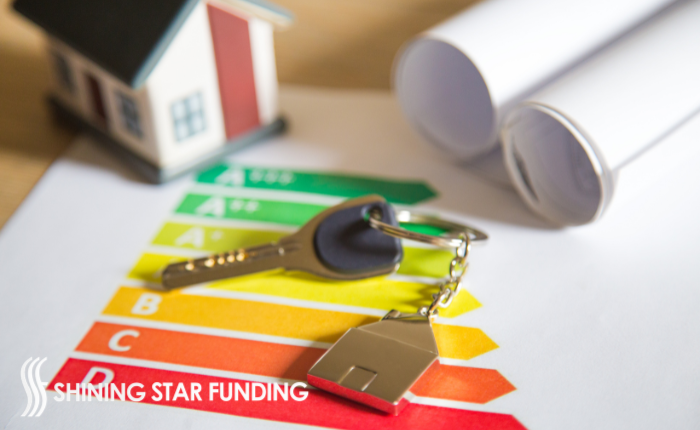
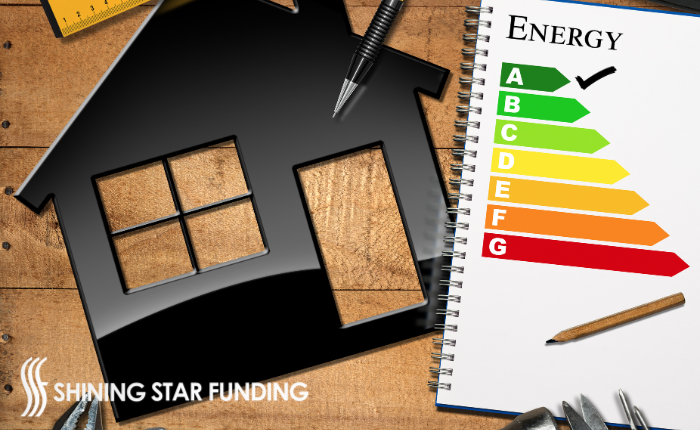
A home energy audit is the first step in identifying inefficiencies. This assessment evaluates how energy is used and where it’s being lost. Audits can highlight issues such as poor insulation, air leaks, or outdated systems.
For homeowners focused on improving energy efficient homes, an audit provides a clear roadmap for upgrades and helps prioritize cost-effective improvements.
Consider Installing Solar Panels
Solar panels allow homeowners to generate their own electricity, reducing reliance on traditional power sources. While the upfront cost can be significant, long-term savings and potential incentives make this an attractive option.
For investors and asset-rich buyers, solar installations can enhance property value and appeal to environmentally conscious tenants or buyers. Homeowners frequently pair these larger improvements with specialized financing options like Fixer-Reno-Loans to smoothly integrate upgrade costs into their core property capital.
Purchase Energy Star-Certified Appliances
Replacing old appliances with energy-efficient models can significantly reduce energy consumption. Refrigerators, washing machines, and air conditioning units with high efficiency ratings use less power while delivering the same performance.
In the world of homeownership, upgrading appliances is one of the simplest ways to transition toward energy-efficient homes.
Install LED Lighting
LED bulbs use a fraction of the energy consumed by traditional incandescent lighting and last much longer. This makes them a cost-effective and low-maintenance upgrade.
Switching to LED lighting is often one of the easiest answers to how to make your home more energy efficient.
Use Spray Foam Insulation
Insulation plays a critical role in maintaining indoor temperatures. Spray foam insulation is particularly effective because it seals gaps and prevents air leakage.
Better insulation means less reliance on heating and cooling systems, which directly reduces energy costs.
Update Your Windows and Doors
Old or poorly sealed windows and doors can lead to significant energy loss. Upgrading to energy-efficient models helps maintain indoor temperatures and improves overall comfort.
This improvement is especially valuable for homeowners looking to enhance both efficiency and property value.
Purchase Smart Home Devices
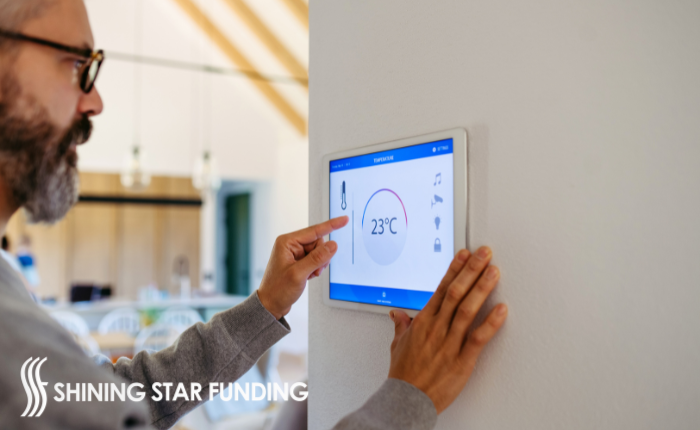
Smart thermostats, lighting systems, and energy monitors allow homeowners to control and optimize energy usage. These devices can automatically adjust settings based on occupancy and usage patterns.
Technology-driven solutions are becoming a key feature of modern energy efficient houses.
Conserve Water
Energy efficiency isn’t just about electricity. Reducing water usage also lowers the energy required for heating and pumping water. Low-flow fixtures and efficient irrigation systems can make a noticeable difference.
Opt for Energy-Efficient Landscaping
Strategic landscaping, such as planting shade trees or using drought-resistant plants, can reduce cooling costs and water consumption. This approach enhances both sustainability and curb appeal.
For homeowners focused on long-term value, landscaping is an often-overlooked aspect of energy-efficient homes.
Benefits of Energy-Efficient Homes
The advantages of investing in energy efficient homes extend beyond lower utility bills. Here are some key benefits:
- Reduced monthly energy costs
- Improved indoor comfort and temperature control
- Increased property value and market appeal
- Lower environmental impact
- Potential eligibility for incentives or tax benefits
In the homeownership journey, these benefits can make a significant difference, especially for buyers looking to maximize both lifestyle and financial returns.
Are Energy-Efficient Homes Worth It?
A common question among buyers and investors is whether energy-efficient homes are worth the investment. The answer largely depends on your goals, budget, and timeframe. Prior to committing equity towards upgrades, you can track current market pricing options using our index of real-time mortgage rates.
For many homeowners, the long-term savings on utilities offset the initial costs of upgrades. Additionally, energy efficient houses often command higher resale values, making them attractive in competitive markets. If you are upgrading your property prior to listing it on the market, it is essential to learn how to prepare your home for sale to safely capture maximum buyer premium.
For retirees, the reduced maintenance and predictable costs can provide peace of mind. For investors, energy-efficient homes can attract tenants willing to pay a premium for lower utility expenses. Evaluating whether is buying a house a good investment over an extended horizon heavily depends on executing these types of efficiency improvements.
In the context of homeownership, the value of energy efficiency continues to grow as energy costs rise and sustainability becomes a priority.
Tips for Maximizing Energy Efficiency
If you’re committed to improving your home, consider these practical tips:
- Start with low-cost upgrades like LED lighting and weather sealing
- Prioritize improvements based on energy audit results
- Invest in high-impact upgrades such as insulation and windows
- Monitor energy usage regularly with smart devices
- Plan upgrades in phases to manage costs effectively
These strategies can help homeowners transition gradually toward more energy-efficient homes without overwhelming their budget.
Final Thoughts on Energy Efficient Homes
Energy efficiency is reshaping how people approach property ownership. From reducing costs to enhancing comfort and increasing resale value, energy efficient homes offer a compelling advantage in today’s market.
Understanding how to make your house more energy efficient empowers you to take control of your energy usage and financial future. Whether through small upgrades or major investments, each step contributes to a more sustainable and valuable property.
For anyone navigating the homeownership journey—whether buying, upgrading, or investing—energy-efficient homes represent a smart, forward-thinking choice that aligns with both economic and environmental goals. If you are ready to evaluate strategic upgrade financing, you can Apply Online to explore your available equity programs.
Frequently Asked Questions
Yes—energy-efficient homes are generally worth the investment. Benefits include: Lower utility bills, Improved comfort, Higher property value, and Reduced environmental impact. While upgrades may have upfront costs, long-term savings and efficiency gains often outweigh the initial expense.
If you’re wondering how to make your house more energy efficient, the key is improving multiple systems at once—often called a whole-home approach. Common upgrades include: Sealing air leaks, Adding insulation, Upgrading appliances, Improving lighting, and Installing smart controls. These combined steps significantly reduce energy waste and monthly bills.
Old or poorly sealed windows and doors are major sources of energy loss. Upgrading them can: Reduce heating and cooling costs, Improve indoor comfort, and Prevent drafts and air leaks. Energy-efficient windows help maintain stable indoor temperatures year-round.
Switching to LED lighting is one of the simplest upgrades in how to make your home more energy efficient. LED bulbs: Use far less electricity, Last significantly longer, and Produce less heat. Lighting upgrades alone can noticeably reduce household energy costs.
Yes—solar panels are one of the most impactful upgrades for long-term energy savings. They allow homeowners to: Generate their own electricity, Reduce dependence on the grid, and Lower monthly utility bills. Solar energy is often paired with other upgrades like battery storage or efficient appliances for maximum benefit.
Spray foam insulation expands to fill gaps, cracks, and hard-to-reach spaces in walls and attics. It helps: Prevent air leaks, Improve temperature control, and Increase energy savings. It is considered one of the most effective insulation upgrades for modern energy efficient homes.
An energy-efficient home is designed or upgraded to use less energy for heating, cooling, lighting, and daily living without sacrificing comfort. In simple terms, energy efficient houses reduce waste by improving insulation, using efficient appliances, and minimizing air leaks. According to the U.S. Department of Energy, efficiency depends on systems like insulation, lighting, windows, and HVAC performance.
Smart technology plays a big role in modern energy efficient houses. Useful devices include: Smart thermostats, Motion-sensor lighting, Energy monitoring systems, and Smart plugs. These tools automatically adjust energy use based on your habits, reducing waste without effort.
The first step is typically to do a home energy audit. A home energy audit identifies where your home is losing energy—such as drafty windows, poor insulation, or inefficient systems. Once you understand problem areas, you can prioritize improvements instead of guessing.
Energy Star-certified appliances are designed to use significantly less electricity and water. For example, ENERGY STAR appliances can reduce energy usage by up to 30% compared to standard models. These include: Refrigerators, Dishwashers, Washing machines, and Water heaters.

527 Sycamore Valley Rd W, Danville, CA 94526
Toll Free Call : (866) 280-0020
For informational purposes only. No guarantee of accuracy is expressed or implied. Programs shown may not include all options or pricing structures. Rates, terms, programs and underwriting policies subject to change without notice. This is not an offer to extend credit or a commitment to lend. All loans subject to underwriting approval. Some products may not be available in all states and restrictions may apply. Equal Housing Opportunity.
Interactive calculators are self-help tools. Results received from this calculator are designed for comparative and illustrative purposes only, and accuracy is not guaranteed. Shining Star Funding is not responsible for any errors, omissions, or misrepresentations. This calculator does not have the ability to pre-qualify you for any loan program or promotion. Qualification for loan programs may require additional information such as credit scores and cash reserves which is not gathered in this calculator. Information such as interest rates and pricing are subject to change at any time and without notice. Additional fees such as HOA dues are not included in calculations. All information such as interest rates, taxes, insurance, PMI payments, etc. are estimates and should be used for comparison only. Shining Star Funding does not guarantee any of the information obtained by this calculator.
Privacy Policy | Accessibility Statement | Term of Use | NMLS Consumer Access
CMG Mortgage, Inc. dba Shining Star Funding, NMLS ID# 1820 (www.nmlsconsumeraccess.org, www.cmghomeloans.com), Equal Housing Opportunity. Licensed by the Department of Financial Protection and Innovation (DFPI) under the California Residential Mortgage Lending Act No. 4150025. To verify our complete list of state licenses, please visit www.cmgfi.com/corporate/licensing