
Duplex vs Townhouse
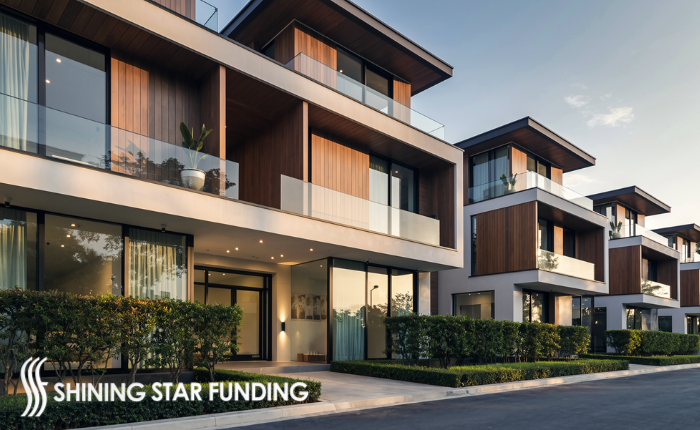
Duplex vs Townhouse: Which Property Type Fits Your Investment Goals?
Standing at the edge of homeownership is an exhilarating place to be. Whether you are a first-time buyer tired of the rent cycle, a self-employed entrepreneur looking for a stable asset, or a retiree wanting to downsize without losing a sense of “home,” the options can feel overwhelming. Two of the most popular contenders in the current market are duplexes and townhouses. Both offer a middle ground between the high-maintenance sprawl of a single-family home and the often-restrictive nature of a high-rise condo. However, when you are preparing to buy, understanding the architectural, legal, and financial nuances between these two is the difference between a stressful purchase and a savvy investment.
Choosing a home is about more than just the number of bedrooms or the color of the kitchen cabinets. It is about how the property functions as a tool for your lifestyle and your long-term wealth. For asset-rich individuals, these properties represent a chance to diversify a portfolio. For families, they represent a community. As you begin the journey of preparing to buy, let’s peel back the layers on what makes duplexes and townhouses unique, how they differ in the eyes of the law, and which one might be the keys to your future front door.
What is a Duplex?
At its simplest level, a duplex is a single residential building that contains two distinct living units. Think of it as one large house that has been split down the middle or divided by floor. These units usually share a common central wall or floor/ceiling, but they always feature separate entrances, separate kitchens, and separate bathrooms. From the street, a duplex might look like a particularly large stately home, but it functions as two independent households.
One of the most defining characteristics of a duplex is its ownership structure. Typically, the entire building—both units—exists on a single deed. This means one person or entity usually owns the entire property. This structure makes duplexes a gold mine for real estate investors. You might live in one side and rent out the other to cover your mortgage, a strategy often called “house hacking.” For retirees, this setup is perfect for keeping family close while maintaining private living quarters. When you are preparing to buy, the duplex stands out as a high-flexibility option because it offers the privacy of a yard and the density of multi-family living.
What is a Townhouse?
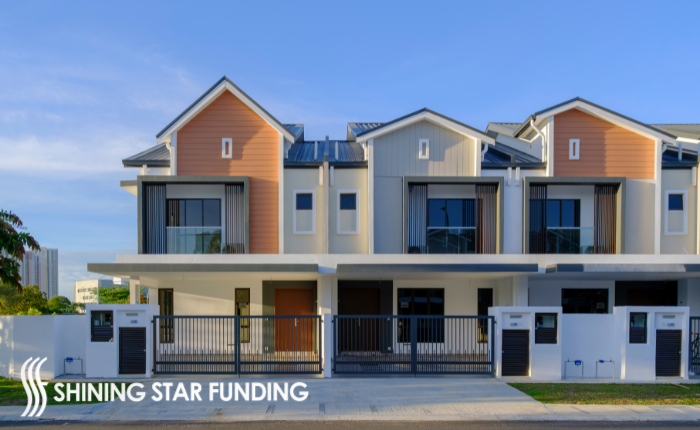
A townhouse, or townhome, is a different breed of architecture and ownership. These are individual houses that are joined to other similar houses by shared side walls, creating a row or a terrace. Unlike a duplex, which is usually just two units, a townhouse development can consist of a long line of dozens of homes. Each townhouse is tall and narrow, typically spanning two or three stories to maximize living space on a smaller land footprint.
The crucial distinction for a townhouse lies in the land. When you purchase a townhouse, you generally own the structure and the specific parcel of land it sits on. However, because these homes are part of a larger community, they are almost always governed by a Homeowners Association (HOA). The HOA takes care of the “big picture” items—like roofing, landscaping, and snow removal—in exchange for a monthly fee. For the busy self-employed professional or the retiree who wants a “lock-and-leave” lifestyle, the townhouse offers the pride of ownership without the weekend-consuming yard work.
Townhouse vs. Duplex: What are the Key Differences?
While they might look similar to the untrained eye, the differences between these two are significant, especially regarding your wallet and your autonomy. Here is an analytical breakdown of how they compare:
- Ownership and Titling: A duplex is usually sold as one entire building on one lot. If you want to buy just “half” of a duplex, the property must be legally subdivided, which is rare. In contrast, townhouses are sold as individual units. You own your unit, and your neighbor owns theirs, even though you share a wall.
- The Role of the HOA: Most townhouses come with an HOA. This means you have rules to follow regarding paint colors and parking, but you also have less maintenance to worry about. Duplexes rarely have an HOA. As a duplex owner, you are the king of your castle, responsible for every shingle on the roof and every blade of grass in the yard.
- Privacy and Outdoor Space: Duplexes often feel more like traditional houses. They usually have larger front and back yards which might be shared or partitioned. Townhouses tend to have very small private patios or decks, focusing more on shared community green spaces.
- Financing and Insurance: Because a duplex is considered a multi-family property (up to four units), the lending process can be slightly different than for a townhouse, which is treated more like a single-family home. Insurance for a duplex covers the whole building, whereas townhouse insurance often only covers the interior (walls-in), with the HOA covering the exterior.
- Cost of Entry: Generally, a single townhouse unit is more affordable than buying an entire duplex building. However, the price per square foot can vary wildly based on the neighborhood and the amenities provided by the townhouse complex.
The Financial Strategy: Why Investors Love Duplexes
For the asset-rich individual or the aspiring real estate investor, the duplex is often the superior choice. Since the property is a single entity with two income streams, the math works differently. If you are preparing to buy an investment, consider the vacancy risk. In a townhouse, if your tenant leaves, your income drops to zero. In a duplex, if one tenant leaves, the other unit still provides a cushion. Furthermore, if you choose to live in one unit, the tax benefits of owning a multi-family rental property can be substantial, allowing you to deduct repairs and maintenance for the rental portion of the home.
Self-employed buyers often find the duplex appealing because it provides a clear path to supplemental income that lenders may consider when looking at future refinances or property acquisitions. It is a building block for a real estate empire, tucked inside a residential shell.

The Lifestyle Choice: Why Retirees and First-Timers Choose Townhouses
On the flip side, the townhouse is the champion of convenience. First-time homebuyers often find the lower price point of a townhouse to be the perfect entry into the market. It allows them to build equity in a desirable urban or suburban area where a detached house might be priced out of reach. The community aspect of townhouse living also provides a sense of security and social connection that can be missing in a standalone duplex.
Retirees frequently gravitate toward townhouses because of the reduced physical labor. Not having to climb a ladder to clean gutters or spend Saturday afternoons mowing a lawn is a massive perk. While the HOA fee is an added monthly expense, many find it a fair trade-off for the amenities—like pools, gyms, or walking trails—that often come with these developments.
Should You Live in a Duplex or a Townhouse?
The answer depends entirely on your “Why.” To make the right choice, you need to look at your five-year and ten-year plans. Are you looking for a home that pays for itself? Or are you looking for a home that frees up your time?
Choose a Duplex if:
- You want to be a landlord and maximize your rental income potential.
- You prefer having no HOA and want total control over your property’s appearance and maintenance.
- You need a “mother-in-law” suite or a way to keep extended family members close but independent.
- You want a larger yard for pets or gardening.
Choose a Townhouse if:
- You want a lower maintenance lifestyle where the big chores are handled for you.
- You enjoy being part of a planned community with shared amenities.
- You are looking for a lower purchase price in a prime location.
- You prefer the security of having neighbors in close proximity.
Making the Move
Regardless of which path you take, the most important step is doing your due diligence. For duplex buyers, this means a rigorous inspection of both units and a deep dive into local zoning laws to ensure you can legally rent out the space. For townhouse buyers, this means reading every word of the HOA’s Covenants, Conditions, and Restrictions (CC&Rs) and checking the health of the association’s reserve funds. You don’t want to buy a townhouse only to find out there is a massive special assessment coming up for a new roof.
The real estate market is constantly evolving, but the value of well-located housing never goes out of style. As you continue the process of preparing to buy, keep your eyes on the long-term trends. Both duplexes and townhouses offer incredible opportunities for wealth building and comfortable living. By understanding the structural and legal differences today, you are setting yourself up for a successful closing and a prosperous future in your new home.
FAQ's
In most 2026 markets, a single townhouse unit is cheaper than buying an entire duplex building. However, the net cost of a duplex might be lower if the rental income from the second unit offsets your monthly payment. If you are looking for the lowest “sticker price” to enter the market, a townhouse is usually the winner.
The decision comes down to your lifestyle goals:
Choose a Duplex if: You want to be a landlord, prefer a larger private yard, and don’t want to pay monthly HOA fees or follow strict community rules.
Choose a Townhouse if: You want a lower purchase price, prefer that someone else handles the exterior maintenance, and enjoy the amenities and security of a planned community.
Both perform well, but they appeal to different buyers. Townhouses are favorites for young professionals and retirees who want a “lock-and-leave” lifestyle with no yard work. Duplexes are highly sought after by investors. In a 2026 market where rental demand is high, a well-maintained duplex can often command a premium from buyers looking for an income-producing asset.
Generally, a duplex offers more privacy. Because there are only two units, you have fewer neighbors and usually a private backyard. Townhouses often have shared “common areas,” and the density of the community means you are more likely to hear or see your neighbors in passing.
When buying a duplex, lenders will look at the “potential rental income” to help you qualify for a larger loan. For a townhouse, the lender will heavily scrutinize the HOA’s financial health. If the HOA has low reserves or pending lawsuits, your loan could be denied even if your credit is perfect.
Townhouse: Almost always requires a monthly HOA fee. This covers exterior maintenance, landscaping, and community amenities (like a pool or gym), but it also comes with rules on paint colors and parking.
Duplex: Often has no HOA. While this saves you money monthly, it means you (and potentially your one neighbor) are solely responsible for the roof, siding, and lawn care.
A duplex is the gold standard for house hacking. Many first-time buyers use a duplex to live in one unit while renting out the other to cover the mortgage. With a townhouse, you are generally buying a single residence for yourself. While you can rent out a room, you don’t have a completely separate, private unit to lease out to a tenant.
- Duplex: Generally capped at two units. You often have a larger yard and more “breathing room” since you only share one wall (or floor/ceiling).
Townhouse: Part of a row of three or more units. If you are in a middle unit, you share walls on both sides, which can impact natural light and privacy.
A townhouse (or row house) is an individually owned, multi-level home that shares one or two walls with adjacent properties but has its own front and back entrance. Unlike a duplex, a townhouse is almost always part of a larger community managed by a Homeowners Association (HOA), and you typically own the structure and the small plot of land it sits on.
A duplex is a single building that contains two separate living units. These units can be side-by-side, sharing a common central wall, or stacked on top of each other. Crucially, a duplex is often sold as a single “real estate entity,” meaning one person owns the entire building and both units, though in some markets, the units can be deeded and sold separately.

527 Sycamore Valley Rd W, Danville, CA 94526
Toll Free Call : (866) 280-0020
For informational purposes only. No guarantee of accuracy is expressed or implied. Programs shown may not include all options or pricing structures. Rates, terms, programs and underwriting policies subject to change without notice. This is not an offer to extend credit or a commitment to lend. All loans subject to underwriting approval. Some products may not be available in all states and restrictions may apply. Equal Housing Opportunity.
Interactive calculators are self-help tools. Results received from this calculator are designed for comparative and illustrative purposes only, and accuracy is not guaranteed. Shining Star Funding is not responsible for any errors, omissions, or misrepresentations. This calculator does not have the ability to pre-qualify you for any loan program or promotion. Qualification for loan programs may require additional information such as credit scores and cash reserves which is not gathered in this calculator. Information such as interest rates and pricing are subject to change at any time and without notice. Additional fees such as HOA dues are not included in calculations. All information such as interest rates, taxes, insurance, PMI payments, etc. are estimates and should be used for comparison only. Shining Star Funding does not guarantee any of the information obtained by this calculator.
Privacy Policy | Accessibility Statement | Term of Use | NMLS Consumer Access
CMG Mortgage, Inc. dba Shining Star Funding, NMLS ID# 1820 (www.nmlsconsumeraccess.org, www.cmghomeloans.com), Equal Housing Opportunity. Licensed by the Department of Financial Protection and Innovation (DFPI) under the California Residential Mortgage Lending Act No. 4150025. To verify our complete list of state licenses, please visit www.cmgfi.com/corporate/licensing