
Determine If Neighborhood Buying House Is Safe: The Strategic Consumer Blueprint
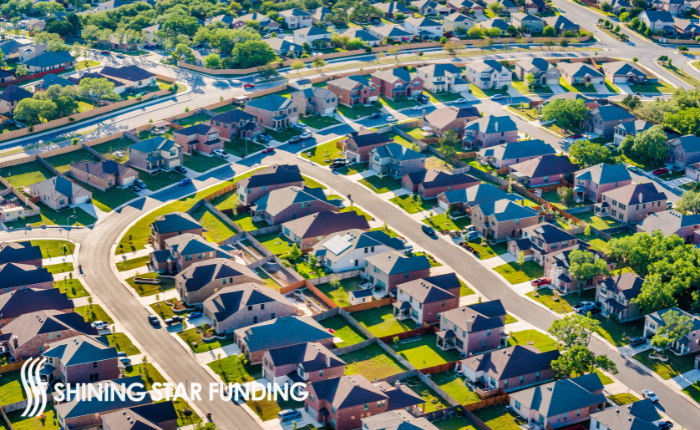
Selecting the ideal piece of residential real estate involves looking past the physical structure of a dwelling to thoroughly evaluate its surrounding environment and general home safety factors. For enthusiastic first-time homebuyers mapping out a secure space to build roots, self-employed home buyers protecting vulnerable household capital, retirees settling into a peaceful community lifestyle, or real estate investors aiming to preserve long-term asset values by leveraging comprehensive Homebuyer Resources, geography dictates your ultimate return on investment. Before finalizing a purchase contract or signing a mortgage agreement, it is crucial to determine if neighborhood buying house is safe conditions are fully satisfied. The physical features of a building can easily be renovated or updated over time, but the underlying safety, municipal security, and social health of a block are unalterable components that directly influence your daily peace of mind and future property resale value.
When you are in the initial phase of preparing to buy, approaching your geographic research with an organized, data-driven strategy and utilizing an interactive mortgage calculator is the best way to protect your loved ones and your financial interests. Navigating an unfamiliar town or a fast-growing suburban sector demands moving past polished marketing pamphlets and relying heavily on verifiable public records, interactive tracking tools, and direct neighborhood observations. Establishing a structured evaluation plan allows you to screen out high-risk zones, confirm the true character of a community, and enter contract negotiations knowing you have secured a protected, highly resilient investment asset.
Is Your Neighborhood Safe? How to Check Neighborhood Safety
A common mistake among eager buyers is assuming that an attractive street view or an upscale local shopping plaza guarantees a crime-free environment. To build a highly accurate safety profile of a target market, you must transition away from subjective guesswork and utilize a diverse mix of public safety resources. Figuring out how to tell if a neighborhood is safe requires looking at several independent channels to cross-verify the overall security of a specific zip code.
The evaluation process follows a structured timeline to determine if a target community satisfies your personal household standard:
- Analyze Digital Public Records: Leverage localized municipal data to track historical crime frequency, property offenses, and neighborhood activity patterns.
- Review Statutory Safety Registries: Consult centralized federal tracking portals to identify hidden personal risks in the immediate area.
- Gather Firsthand Resident Intelligence: Interview the individuals who actively live, work, and commute within the surrounding streets.
- Conduct Physical Spatial Audits: Tour the neighborhood personally across different hours, weather conditions, and days of the week.
The Digital and Empirical Safety Toolkit
To help you systematically navigate your remote geographic research, let us look closer at the specific structural tools you can use to audit a location. The table below outlines how these core vetting mechanisms compare, giving you a clear view of how to discover exactly how safe is my neighborhood before submitting a formal purchase offer.
| Verification Tool | Primary Informational Target | Standard Data Source | Strategic Action Plan |
|---|---|---|---|
| Crime Mapping Service | Tracks property theft, vandalism, and violent incident frequencies. | Localized police department dispatch logs | Filter data by radius and look for consistent long-term trends over single events. |
| Public Sex Offender Registry | Identifies nearby individuals convicted of serious personal offenses. | National Sex Offender Public Website (NSOPW) | Map out exact addresses relative to local schools, parks, and bus stops. |
| Local Community Engagement | Gathers real-world intelligence on hidden issues and street-level dynamics. | Direct resident interviews & neighborhood associations | Ask specific questions about home break-ins, package thefts, and traffic patterns. |
| Physical Drive-By Audit | Reveals lighting quality, property maintenance, and night activity levels. | Firsthand visual spatial observation | Tour the target blocks at midnight on a weekend to check real-world behaviors. |
Use a Crime Mapping Service
The fastest way to jumpstart your geographic research is to tap into interactive digital mapping platforms. Utilizing verified online databases allows you to discover how to check if a community is safe by mapping out real-time law enforcement responses over a three- to six-month timeline.
These specialized platforms pull data directly from local sheriff and police department dispatch logs, plotting individual incidents as visual icons on a neighborhood map. When you enter a target address, you can analyze the frequency of property offenses, auto thefts, and violent altercations in the surrounding blocks. Rather than panicking over a single, isolated incident, focus your analysis on identifying persistent crime patterns or high-activity street corners, helping you ensure that your upcoming home purchase remains a stable and secure long-term asset under standard Conventional Loans guidelines.
Review the National Sex Offender Public Website
Protecting your household means staying informed about the permanent residents living along your target street. Federal consumer protection rules mandate the public availability of statutory registries, making it easy for buyers to gather this vital information during the escrow window.
You must enter your target zip code into the National Sex Offender Public Website (NSOPW) to review the active regional database. This free, government-backed portal compiles state, territorial, and tribal registries into a single searchable map, displaying exact matching photos, legal names, physical descriptions, and current home addresses of convicted individuals. Running this safety check is an essential step for anyone discovering how to check if city is safe, ensuring your property selection remains clear of localized personal safety risks, which are as vital as reviewing a home affordability in current housing market study.
Connect with People Who Currently Live in the Area
While digital mapping tools provide valuable historical metrics, online data can occasionally miss the subtle, day-to-day nuances of a neighborhood’s lifestyle. To fill this gap, you must gather firsthand intelligence by talking directly to the people who interact with the community every day.
Take an afternoon to walk the neighborhood, step inside local coffee shops, visit nearby parks, and talk with neighbors who are out tending their lawns or walking their pets. Ask straightforward, friendly questions about the local atmosphere: Do people feel comfortable walking outside after dark? Are package thefts a common issue on the block? Do neighbors actively watch out for one another? Residents are routinely eager to share honest, unedited insights about their neighborhood’s true character, providing a clear view of street-level dynamics that a public database cannot capture, making it one of the most useful strategies when compiling questions to ask when buying a house.
Take a Walk or Drive Around the Neighborhood
A single, brief daytime drive-by with your real estate agent during a quiet weekday afternoon cannot reveal the full story of an area. To truly understand how a community functions, you must execute multiple physical audits at varying intervals across the week.
Drive through the area on a Friday or Saturday evening after dark to evaluate real-world activity levels, check the quality of local street lighting, and listen for excessive noise from nearby commercial properties or cut-through traffic. Concurrently, checking active real-time rates alongside conducting these physical checks ensures your financial planning aligns with the neighborhood’s profile; well-maintained lawns, tidy exterior paint, and clean common areas indicate a strong pride of ownership and active neighborhood engagement, which naturally pushes back against property crime and supports long-term asset appreciation.
Tips to Feel Safer in Your Neighborhood
If you have found a property that matches your budget but you want to maximize your household security after move-in day, there are several practical, proactive steps you can take to improve your immediate safety profile. First, focus on applying basic environmental design principles to your property by installing bright, motion-activated LED exterior lighting around your garage, side pathways, and entry doorways.
Next, set up a modern smart home security network, complete with high-definition doorbell cameras and automated window sensors, allowing you to monitor your perimeter remotely from anywhere in the world. Finally, take the time to introduce yourself to your direct neighbors and participate in an established neighborhood watch program; building a tight-knit network of connected homeowners who look out for one another’s properties remains one of the most effective and reliable defenses against property crime.
Macro-Level Geographics: Selecting the Right State
For out-of-state families, corporate relocaters, and retirees who possess the flexibility to choose their next destination without being bound to a single employment hub, your safety analysis should begin at the macro-state level before focusing on individual streets. Finding the best place to buy a house safe requires looking at comprehensive state-level safety scores that track everything from violent crime statistics to financial stability and road safety.
According to comprehensive national safety studies, the Northeast and select Mountain regions continue to dominate the top safety rankings. When evaluating what is the safest state to live in, Vermont routinely captures the absolute number-one spot due to its exceptionally low rates of violent crime, low property offenses per capita, and top-tier financial security scores. Neighboring states like New Hampshire and Massachusetts also rank among the top safest states, while Western destinations like Utah win praise for superior workplace safety and emergency preparedness, providing a fantastic starting template for your regional search. Cross-referencing these footprints with our guide on how to buy a house out of state can streamline your transition.
Structuring Your Path to Long-Term Security
Navigating the options within the housing market is a foundational step in designing a successful, secure property plan. By combining interactive crime mapping tools with public safety registries, resident interviews, and thorough physical walkthroughs, you can easily minimize your risk exposure and find a neighborhood that supports your family’s safety and financial future.
As you prepare to make your move into the market, surrounding yourself with an experienced professional network remains your greatest protection during this phase of preparing to buy. Partnering alongside a knowledgeable local real estate agent who understands local neighborhood trends and working with independent advisors ensures your credit profile is optimized, your contracts are drafted with protective consumer contingencies, and your property acquisitions are structured for maximum long-term success. To launch your secure digital financing terminal or calculate available budget caps immediately, you can apply now online through our integrated network portal. With a proactive strategy and the right experts guiding your path, you can confidently navigate the homebuying process and secure a high-quality real estate asset that supports your long-term path to true financial freedom.
Frequently Asked Questions
Very important. If you want to truly understand how to check if city is safe, talk to people who live there: ask neighbors about daily safety, join local community groups, and observe how residents describe the area. Locals often provide insights that data alone cannot show.
If you want to know how to check if a community is safe, start with digital resources: crime mapping websites (crime heat maps), local police department reports, and neighborhood safety indexes. These tools let you compare crime patterns, trends, and nearby neighborhoods to understand risk levels more clearly.
One of the most effective ways to evaluate safety is a crime mapping service. You can enter an address or ZIP code, view reported crimes by type, and compare nearby neighborhoods. Platforms like SpotCrime or similar tools show property crimes, violent incidents, and recent activity trends, helping you make a more informed decision.
To answer how safe is my neighborhood, start by reviewing objective data and real-world conditions together. Key methods include crime statistics and mapping tools, street-level observation, and talking to local residents. Online tools like crime maps and government databases help provide a baseline, but they don’t tell the full story of daily life in the area.
Yes — as part of your safety research. You can use the National Sex Offender Public Website or tools like Family Watchdog to see registered offenders near a property and check location-based risk awareness. However, this should not be your only decision factor, since data may be incomplete or outdated.
When people ask what is the safest state to live in, the answer varies yearly, but generally: rural and suburban areas often report lower violent crime, smaller cities may have stronger community safety, and some states consistently rank lower in crime statistics. However, safety is more neighborhood-specific than statewide, so always zoom in beyond state level when choosing a home.
Common indicators include an active community presence, low visible vandalism, well-kept public spaces, and local businesses thriving. These signs help you judge how to tell if a neighborhood is safe beyond crime numbers.
The question how safe is my neighborhood usually refers to the crime rate (violent vs property crime), time-based activity (day vs night safety), community environment, and personal comfort level. Safety is not only statistical — it also includes how secure you feel walking, driving, or living there.
To confidently decide how to check if city is safe, combine all methods: crime maps and official data, sex offender registry checks, local feedback, and personal visits at different times. When all sources align, you can make a more informed decision about whether the best place to buy a house safe truly meets your expectations.
One of the most practical ways to evaluate the best place to buy a house safe is to physically explore the area. Look for people walking dogs or jogging, well-maintained homes and yards, street lighting and visibility, and activity at different times of day. These visual cues often reveal more than statistics alone.

527 Sycamore Valley Rd W, Danville, CA 94526
Toll Free Call : (866) 280-0020
For informational purposes only. No guarantee of accuracy is expressed or implied. Programs shown may not include all options or pricing structures. Rates, terms, programs and underwriting policies subject to change without notice. This is not an offer to extend credit or a commitment to lend. All loans subject to underwriting approval. Some products may not be available in all states and restrictions may apply. Equal Housing Opportunity.
Interactive calculators are self-help tools. Results received from this calculator are designed for comparative and illustrative purposes only, and accuracy is not guaranteed. Shining Star Funding is not responsible for any errors, omissions, or misrepresentations. This calculator does not have the ability to pre-qualify you for any loan program or promotion. Qualification for loan programs may require additional information such as credit scores and cash reserves which is not gathered in this calculator. Information such as interest rates and pricing are subject to change at any time and without notice. Additional fees such as HOA dues are not included in calculations. All information such as interest rates, taxes, insurance, PMI payments, etc. are estimates and should be used for comparison only. Shining Star Funding does not guarantee any of the information obtained by this calculator.
Privacy Policy | Accessibility Statement | Term of Use | NMLS Consumer Access
CMG Mortgage, Inc. dba Shining Star Funding, NMLS ID# 1820 (www.nmlsconsumeraccess.org, www.cmghomeloans.com), Equal Housing Opportunity. Licensed by the Department of Financial Protection and Innovation (DFPI) under the California Residential Mortgage Lending Act No. 4150025. To verify our complete list of state licenses, please visit www.cmgfi.com/corporate/licensing