
Chain of Title in Real Estate: Understanding Ownership History in Homeownership

When buying or selling property, one of the most important legal concepts in homeownership is the chain of title. It may not be visible during a showing or negotiation, but it plays a critical role in confirming who legally owns a property and whether it can be transferred without issues.
A clean and verified chain of title ensures that ownership rights are clear, transferable, and free of disputes. Without it, a real estate transaction can become risky, delayed, or even legally invalid. Consulting professional homebuyer resources early in your timeline can help mitigate these background risks effectively.
Understanding chain of title real estate principles is essential for buyers, sellers, and investors who want to avoid ownership complications and protect long-term property rights.
What Is Chain of Title in Real Estate?
The chain of title refers to the historical record of ownership for a property, documenting every transfer of title from the original owner to the current one. To review the technical evolution of public land tracking databases, you can browse the official chain of title legal framework on Wikipedia.
In simple terms, it is the legal sequence of ownership that proves who has held rights to the property over time.
Each time a property is sold or transferred, a new link is added to the chain of title. These links must be complete and accurate to confirm valid ownership.
In chain of title real estate transactions, this record is essential for ensuring that the seller has the legal right to transfer ownership to a buyer.
Why Is Chain of Title Important?
The chain of title is important because it verifies ownership and helps prevent legal disputes.
A broken or unclear chain can lead to serious issues such as:
- Disputed ownership claims
- Fraudulent transfers
- Unresolved liens or debts
- Delays in closing a sale
In the broader context of homeownership, a clear chain of title ensures that property rights are legally enforceable and transferable.
Buyers rely on this documentation to confirm that they are purchasing a property free of hidden ownership issues.
What Rights and Documents Are Involved in Chain of Title?
The chain of title includes several legal documents and property rights that establish ownership history. These public recordings are meticulously audited by underwriters when securing standard long-term financing, such as a traditional conventional loan footprint.
Common documents involved include:
- Deeds (warranty, quitclaim, grant deeds)
- Mortgages and loan documents
- Title insurance policies
- Property tax records
- Judgments and liens
Each document represents a link in the ownership history of the property. These records collectively confirm who owned the property at different points in time and under what conditions, making it vital to organize your certified closing documents post-settlement.
Where Can You Find Your Home’s Chain of Title?
Homeowners can locate their chain of title through several sources.
Most commonly, it is accessed through:
- County recorder or land registry office
- Title companies
- Real estate attorneys
- Online property record databases (where available)
A chain of title search is typically conducted during a real estate transaction to verify ownership history and ensure there are no legal issues attached to the property. Reviewing the difference between an administrative registration and physical ownership parameters means verifying our checklist on deed vs title variances.
This search is a key step in the closing process and helps protect both buyers and lenders.
Chain of Title Search Explained
A chain of title search is the process of reviewing public records to confirm the complete ownership history of a property.
During this search, professionals examine previous property owners, recorded transfers, deeds, outstanding liens or claims, and legal judgments affecting the property. This process ensures that the title is clear and marketable before the property is transferred. Without a thorough chain of title search, buyers risk inheriting unresolved legal or financial issues.
Abstract of Title vs Chain of Title
Many people confuse abstract of title vs chain of title, but they are not the same.
The chain of title is the actual sequence of ownership transfers, while an abstract of title is a summarized document that compiles the history of those transfers.
In other words, the chain of title equals the complete ownership history, while the abstract of title serves as a summarized record of that history. Both are used to verify ownership, but the abstract provides a condensed version for review purposes.
How Do Liens Affect Chain of Title?
Liens can complicate or disrupt a chain of title because they represent legal claims against a property. When a lien exists, it means a third party has a financial interest in the property until a debt is resolved.
Mortgage Liens
A mortgage lien is the most common type of lien in homeownership. When a homeowner takes out a mortgage, the lender places a lien on the property as security for the loan. This lien remains in place until the mortgage is fully paid off. Borrowers seeking to calculate their future payment thresholds against outstanding lien allocations can model their targets safely using interactive mortgage calculators.
Involuntary Liens
Involuntary liens are placed on a property without the owner’s consent, often due to unpaid debts. Examples include tax liens from unpaid property taxes, judgment liens from court rulings, and mechanic’s liens for unpaid contractor work.
These liens must typically be resolved before a clear title can be transferred. Unresolved liens can interrupt the chain of title and delay or block a property sale, especially when monitoring volatile market shifts against live real-time rates.

How Do You Know If Your Title Is Okay?
Determining whether a title is clear involves reviewing the chain of title for any issues or irregularities.
A “clean” title typically means no unresolved liens or judgments, no disputes over ownership, properly recorded property transfers, and no legal claims against the property. Title insurance is often used in homeownership transactions to protect buyers and lenders from future claims related to title defects. A title company or attorney usually performs a final review before closing to confirm that everything is in order.
Common Issues Found in Chain of Title
Several problems can appear during a chain of title search, including missing or incorrect deed records, unreleased mortgages, unknown heirs claiming ownership, fraudulent or forged documents, and unpaid liens or taxes. These issues must be resolved before the property can be legally transferred.

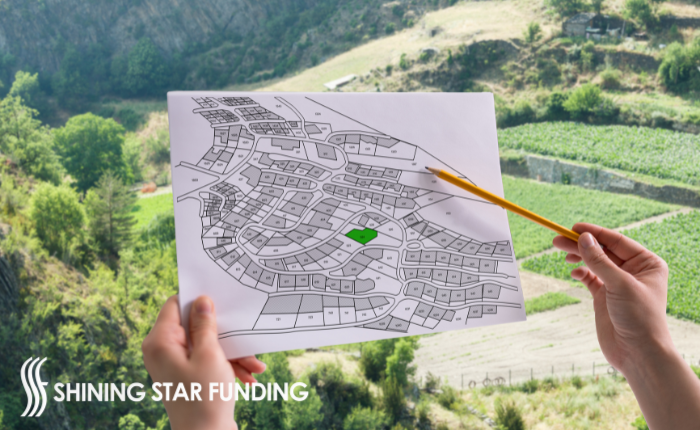
Why Chain of Title Matters in Homeownership
In homeownership, the chain of title is the foundation of legal property ownership. It ensures that ownership is properly documented, property transfers are valid, buyers receive clear title rights, and financial institutions can safely issue loans. Without a reliable chain of title, real estate transactions would carry significant legal risk. For buyers, sellers, and investors alike, understanding this concept is essential for protecting long-term property rights.
Final Thoughts on Chain of Title
The chain of title is a critical element of chain of title real estate transactions and overall property ownership verification. It provides a complete historical record of ownership and ensures that property rights are legally valid and transferable.
From conducting a chain of title search to understanding the differences between abstract of title vs chain of title, every step plays a role in protecting both buyers and sellers. In the broader context of homeownership, maintaining a clear and accurate title is essential for avoiding disputes, securing financing, and ensuring smooth property transfers.
Whether dealing with mortgage liens, involuntary liens, or ownership verification, a properly documented chain of title remains one of the most important safeguards in real estate. When you are fully prepared to confirm your funding options and establish your underwriting terms, you can seamlessly apply online now to get started.
Frequently Asked Questions
Yes, this is called a mechanic’s lien. If a contractor or subcontractor isn’t paid for work done on the property, they can record a lien that stays with the property until paid off.
Yes. Owner’s title insurance protects you from financial loss if a “hidden” owner or heir emerges later claiming they actually own the property due to a past break in the chain.
A title is considered “clear” or “marketable” when a chain of title search shows no breaks in ownership and all past liens and mortgages have been officially released.
Most people hire a title company or an attorney to perform the search. They use public records at the county recorder’s office or the Registry of Deeds to trace the ownership history.
An involuntary lien acts as a “block” on the title. You generally cannot sell or refinance the home until the debt is satisfied and a “Release of Lien” is recorded in the chain of title real estate history.
Not quite. A title report is a current snapshot of who owns the home and what liens exist now. The abstract and chain are deep-dives into the property’s entire historical timeline.
A break occurs if a past transfer was never recorded. To fix this, you may need to track down the previous owner to sign a corrective deed, or file a “Quiet Title” action in court to legally establish ownership.
An encumbrance is anything that restricts the owner’s use or transfer of the property. This includes liens, but also easements (like a utility company’s right to access a power line) and CC&Rs (neighborhood rules).
You can find the historical records at your local County Clerk or Recorder’s Office. Many municipalities now offer these records online, though older “links” in the chain may still only exist in physical logbooks.
Lenders often look specifically at the last two years to spot “house flipping” or potential mortgage fraud, ensuring the property hasn’t been transferred suspiciously fast at inflated prices.

527 Sycamore Valley Rd W, Danville, CA 94526
Toll Free Call : (866) 280-0020
For informational purposes only. No guarantee of accuracy is expressed or implied. Programs shown may not include all options or pricing structures. Rates, terms, programs and underwriting policies subject to change without notice. This is not an offer to extend credit or a commitment to lend. All loans subject to underwriting approval. Some products may not be available in all states and restrictions may apply. Equal Housing Opportunity.
Interactive calculators are self-help tools. Results received from this calculator are designed for comparative and illustrative purposes only, and accuracy is not guaranteed. Shining Star Funding is not responsible for any errors, omissions, or misrepresentations. This calculator does not have the ability to pre-qualify you for any loan program or promotion. Qualification for loan programs may require additional information such as credit scores and cash reserves which is not gathered in this calculator. Information such as interest rates and pricing are subject to change at any time and without notice. Additional fees such as HOA dues are not included in calculations. All information such as interest rates, taxes, insurance, PMI payments, etc. are estimates and should be used for comparison only. Shining Star Funding does not guarantee any of the information obtained by this calculator.
Privacy Policy | Accessibility Statement | Term of Use | NMLS Consumer Access
CMG Mortgage, Inc. dba Shining Star Funding, NMLS ID# 1820 (www.nmlsconsumeraccess.org, www.cmghomeloans.com), Equal Housing Opportunity. Licensed by the Department of Financial Protection and Innovation (DFPI) under the California Residential Mortgage Lending Act No. 4150025. To verify our complete list of state licenses, please visit www.cmgfi.com/corporate/licensing