
Buy House Condo Townhouse Apartment

Deciding Where to Live: Should You Buy House Condo Townhouse Apartment Properties?
The journey toward property ownership is filled with exciting milestones, but one of the most critical decisions you will encounter while preparing to buy involves choosing the specific structure of your future home. It is not just about the number of bedrooms or the aesthetic of the kitchen; it is about the lifestyle, the long-term maintenance responsibilities, and the financial trajectory of your investment. Whether you are a first-time homebuyer looking for a starter property, a self-employed individual seeking a home office sanctuary, or a real estate investor diversifying a portfolio, the choice between a house, a condo, a townhouse, or an apartment-style dwelling carries significant weight.
Each property type offers a unique blend of autonomy and community. For some, the dream involves a sprawling lawn and complete creative control over the architecture. For others, particularly retirees or busy professionals, the idea of never having to shovel snow or fix a roof is the ultimate luxury. As you move through the stage of preparing to buy, understanding the legal and physical distinctions between these housing types will save you from future headaches and ensure your capital is deployed in a way that matches your long-term goals.
The Great Debate: Apartment vs. Condo vs. Townhouse vs. House
At first glance, many of these buildings might look similar. You might walk into a high-rise unit and wonder if it is an apartment or a condo. You might see a row of attached homes and debate if they are townhouses or simply a specific style of house. However, the differences lie primarily in ownership structures and shared responsibilities. An apartment is typically a unit within a building owned by a single entity and leased to tenants, though in some urban markets, “apartment” is used interchangeably with “condo” to describe the layout. A condo involves owning the air space within your unit while sharing ownership of common areas. A townhouse often includes ownership of the land beneath the structure, and a detached house provides the highest level of independence and land ownership.
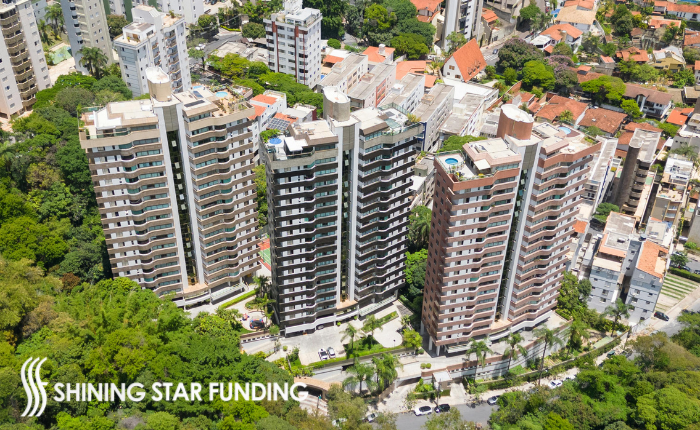
Living the High Life: The Apartment Ownership Model
While most people associate apartments with renting, in the context of real estate investment and certain international markets, buying an apartment—often referred to as a co-op or a specific legal unit in a multi-family building—is a common entry point. For asset-rich individuals seeking for real estate investments, apartments in prime metropolitan areas represent high-yield opportunities with professional management already in place.
The Pros of Apartment Living
- Accessibility and Location: Apartments are often located in the heart of urban centers, providing walking access to work, dining, and culture.
- Predictable Costs: Because the building is managed as a single entity, many utility and maintenance costs are streamlined.
- Security: Most modern apartment buildings feature gated entries, security cameras, and sometimes on-site personnel.
The Cons of Apartment Living
- Limited Equity Control: In some co-op or apartment structures, you may need board approval for minor renovations.
- Shared Walls: Proximity to neighbors means you are subject to the noise and lifestyle of those living around you.
- Lack of Private Outdoor Space: Most apartments offer balconies at best, rather than private yards.
The Balanced Choice: Condominiums (Condos)
Condos are a favorite for retirees and first-time homebuyers because they bridge the gap between renting and owning a detached home. When you buy a condo, you own everything inside your walls. Everything outside—the hallways, the pool, the gym, and the exterior siding—is owned collectively by the Homeowners Association (HOA).
The Pros of Condos
- Maintenance-Free Lifestyle: The HOA handles the heavy lifting, from landscaping to roof repairs.
- Amenities: Many condos offer luxury features like rooftop decks, fitness centers, and swimming pools that would be prohibitively expensive to build in a private home.
- Affordability: In many markets, condos have a lower price point than detached houses, making them an excellent first step in the homebuying journey.
The Cons of Condos
- HOA Fees: These monthly dues can be significant and are subject to increases. They are a vital factor to calculate when preparing to buy.
- Restrictive Covenants: The HOA may have rules about what color your curtains can be, whether you can have pets, or if you can use your unit as a short-term rental.
- Special Assessments: If the building needs a major repair and the reserve fund is low, owners can be hit with a large, unexpected bill.
The Middle Ground: Townhouses
A townhouse is a multi-floor home that shares one or two walls with adjacent properties but usually has its own front door and, crucially, its own small plot of land. For self-employed home buyers who need more space than a condo but aren’t ready for a full acre of lawn to mow, the townhouse is a logical compromise.

The Pros of Townhouses
- Ownership of Land: Unlike a condo, you typically own the ground beneath the unit, which can lead to better long-term appreciation.
- More Space: Townhouses often feature multiple levels, providing a clear separation between living areas and home offices or bedrooms.
- Sense of Community: The layout fosters a neighborhood feel without the total isolation of a rural house.
The Cons of Townhouses
- Vertical Living: Multiple flights of stairs can be a drawback for retirees or those with mobility concerns.
- Noise Transfer: While better than apartments, shared walls still mean you might hear a neighbor’s television or footsteps.
- Partial HOA Oversight: Most townhouses still belong to an association that manages common roads or shared amenities, requiring a monthly fee.

The Ultimate Prize: Detached Houses
For many, the detached single-family home remains the gold standard. It offers the highest level of privacy and the greatest potential for customization. Real estate investors often target houses because they tend to appreciate more reliably over long periods and offer the most flexibility for “fix and flip” or “buy and hold” strategies.
The Pros of Houses
- Total Privacy: No shared walls means you can enjoy your home without worrying about the noise from next door.
- Expansion Potential: If you want to add a deck, a garage, or an extra bedroom, you generally only need to worry about local zoning laws, not an HOA board.
- Outdoor Freedom: Private backyards allow for gardening, pools, and safe spaces for children and pets.
The Cons of Houses
- High Maintenance: You are the plumber, the landscaper, and the roofer. Every repair comes out of your pocket.
- Higher Entry Price: Houses generally require a larger down payment and have higher utility costs.
- Isolation: Depending on the location, you may be further away from city amenities and public transportation.
Making the Final Decision
Choosing to buy house condo townhouse apartment units is a deeply personal decision that should be based on a cold, hard look at your lifestyle and your balance sheet. If you are an asset-rich individual seeking for real estate investments, you might look at a condo in a booming tech hub for its ease of leasing. If you are a retiree, the lack of maintenance in a managed community might be your top priority.
As you conclude the process of preparing to buy, remember that your home is both a sanctuary and a financial asset. Take the time to visit different types of properties at various times of the day. Listen to the noise levels, check the health of the HOA’s financial reserves, and imagine your daily routine in each space. By weighing the pros and cons of each housing type against your specific needs, you will move forward with the confidence that your new home is the perfect fit for your future.
FAQ's
Ask yourself: “How much do I hate yard work?”
If you want a “lock-and-leave” lifestyle: Condo.
If you want space for a dog but hate high-rise living: Townhouse.
If you want a garden and no one telling you what color to paint your door: House.
|
Condos and Townhouses are popular “starter homes” because they provide a lower entry price into homeownership, allowing you to build equity that you can eventually “roll over” into a single-family house.
Condos often have the most surprising “hidden” costs in the form of Special Assessments. If the building needs a new $200,000 roof and the HOA doesn’t have enough in reserves, every unit owner might be hit with a surprise bill for several thousand dollars.
The primary reason is Total Control. You own the structure and the dirt.
Pros: Maximum privacy (no shared walls); freedom to remodel, paint, or landscape as you wish; generally appreciates in value faster than other property types.
Cons: Most expensive option; you are 100% responsible for every repair, from the lawn to the septic tank; higher property taxes and insurance.
Architecture is the main cue. Townhouses are typically multi-story units that share side walls with neighbors but have their own front door to the street and no one living above or below you.
Pros: More “house-like” feel; usually includes a small private patio or yard; often cheaper than a detached house.
Cons: Still have shared walls; often still governed by an HOA; maintenance of the roof and exterior may be your responsibility.
When you buy a condo, you own the interior of your unit “from the paint in.” You do not own the roof, the hallways, or the lobby—those are “common elements” managed by the HOA.
Pros: Lower price than a house; low maintenance (no mowing); security (often gated or has a doorman).
Cons: Monthly HOA fees can be high; you live in close proximity to neighbors (shared walls/ceilings); restrictive rules on pets or rentals.
Pros: Maximum flexibility to move; zero responsibility for repairs (the landlord fixes the leaky sink); often includes amenities like a gym or pool.
Cons: No equity building; you are subject to annual rent hikes; you cannot renovate or paint without permission.
In most real estate contexts, yes. An apartment is typically a unit within a building owned by a single entity (like a property management company) that leases units to tenants. If you see an “apartment” for sale, it is almost always legally a condominium or a co-op.
The difference boils down to ownership and autonomy.
Apartments: You rent the unit; you own nothing but your furniture.
Condos: You own the “airspace” inside your unit, while a homeowners association (HOA) owns the building and land.
Townhouses: You own the unit and the specific plot of land underneath it.
Houses: You own the standalone structure and the entire lot.

527 Sycamore Valley Rd W, Danville, CA 94526
Toll Free Call : (866) 280-0020
For informational purposes only. No guarantee of accuracy is expressed or implied. Programs shown may not include all options or pricing structures. Rates, terms, programs and underwriting policies subject to change without notice. This is not an offer to extend credit or a commitment to lend. All loans subject to underwriting approval. Some products may not be available in all states and restrictions may apply. Equal Housing Opportunity.
Interactive calculators are self-help tools. Results received from this calculator are designed for comparative and illustrative purposes only, and accuracy is not guaranteed. Shining Star Funding is not responsible for any errors, omissions, or misrepresentations. This calculator does not have the ability to pre-qualify you for any loan program or promotion. Qualification for loan programs may require additional information such as credit scores and cash reserves which is not gathered in this calculator. Information such as interest rates and pricing are subject to change at any time and without notice. Additional fees such as HOA dues are not included in calculations. All information such as interest rates, taxes, insurance, PMI payments, etc. are estimates and should be used for comparison only. Shining Star Funding does not guarantee any of the information obtained by this calculator.
Privacy Policy | Accessibility Statement | Term of Use | NMLS Consumer Access
CMG Mortgage, Inc. dba Shining Star Funding, NMLS ID# 1820 (www.nmlsconsumeraccess.org, www.cmghomeloans.com), Equal Housing Opportunity. Licensed by the Department of Financial Protection and Innovation (DFPI) under the California Residential Mortgage Lending Act No. 4150025. To verify our complete list of state licenses, please visit www.cmgfi.com/corporate/licensing