
Mastering Your Bank Statements: The Ultimate Guide to Mortgage Approval

When you begin the homebuying process, you quickly realize that your financial life is about to be placed under a high-powered microscope. While much of the early excitement centers on touring open houses and picking out interior finishes, the real engine of your purchase is found in your monthly financial records. Specifically, your bank statements serve as the primary source of truth for mortgage underwriters. These documents tell a story that goes far beyond your current balance; they reveal your spending habits, the consistency of your income, and your overall readiness for the long-term commitment of a mortgage. Modeling your future payments with an interactive mortgage calculator can provide clear parameters early in your planning phase.
As we navigate the real estate market, transparency has become the gold standard for lenders. With interest rates for conventional loans hovering in the high 5% to low 6% range, the competition for the best terms is fierce. For first-time homebuyers and seasoned investors alike, the “paper trail” is what ultimately secures the deal. Whether you are providing a standard two-month snapshot or diving into a multi-year history for a specialized loan product, being organized during the homebuying process can save you weeks of stress and prevent the dreaded “request for additional information” that can delay a closing. Savvy buyers browse our collection of homebuyer resources to stay ahead of request protocols.
What Are Bank Statement Loans?
For many modern workers, traditional tax returns don’t tell the whole story. This is where bank statement loans—often categorized as Non-QM loans—come into play. A bank statement loan allows a borrower to qualify for a mortgage based on the actual cash deposits shown in their personal or business accounts rather than the “net income” shown on a tax return. These loans have become a lifeline for individuals who have significant cash flow but use legal tax deductions that lower their taxable income on paper.
These loans are particularly popular among buyers tracking specialized investment property rates and business owners who want to leverage their true buying power. While they often come with slightly higher interest rates (typically 0.5% to 2% above conventional rates) and require a larger down payment (often 10% to 20%), they offer a level of flexibility that traditional products cannot match. They prioritize your “ability to repay” based on the real-time health of your bank accounts.

Understanding Your Bank Statements
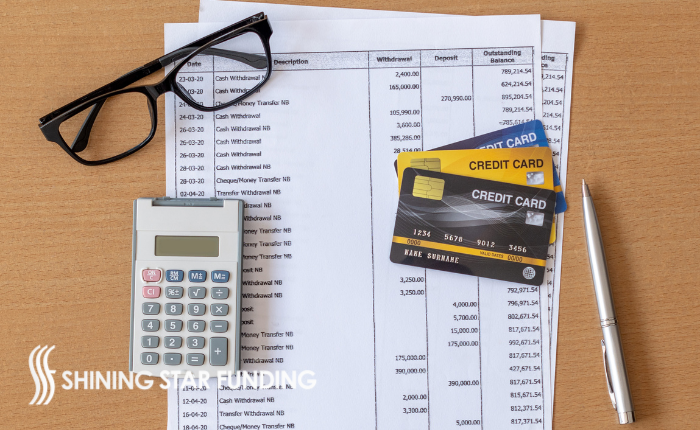
To an underwriter, a bank statement is more than a list of transactions; it is a financial map. Understanding the basic structure of a bank statement helps clear up why underwriters review each entry. They are looking at three main components: deposits, withdrawals, and the “average daily balance.” Deposits show the frequency and stability of your earnings. Withdrawals show your monthly liabilities and lifestyle costs. The average daily balance tells the lender if you are living “paycheck to paycheck” or if you maintain a healthy cushion that can absorb the occasional unexpected expense.
It is vital that you provide “all pages” of your statements, even the ones that are blank or only contain fine print. If a statement says “Page 1 of 8,” the lender needs to see all eight pages. Missing pages are a major bottleneck in the homebuying process, as they can lead an underwriter to believe you are hiding a large withdrawal or a new, undisclosed debt. Clear, chronological, and complete records are your best friends during the application phase.
How Self-Employment and Freelancing Affect Your Application
The rise of the gig economy and independent consulting has fundamentally changed how lenders view income. If you are a self-employed home buyer or a freelancer, you don’t have a W-2 to prove your earnings. Instead, you are the CEO of your own financial life. Lenders will typically look for a two-year history of self-employment to ensure your business is stable and not just a passing phase.
Being self-employed means the underwriter will look for “income continuity.” They want to see that your deposits aren’t just large one-off payments, but a consistent stream of revenue. If your income is seasonal—common for contractors or certain consultants—lenders will often average your earnings over 12 to 24 months to find a “qualifying monthly income.” Having a separate business bank account is highly recommended, as it allows the lender to apply a standard “expense factor” (often 50%) to your business deposits to estimate your take-home pay without needing to see every single business receipt.

What to Know Before You Apply for a Bank Statement Loan
Before jumping into a bank statement loan, there are a few strategic realities to consider. First, your credit score still matters. To understand how initial evaluations impact your rating, see our overview of does getting preapproved hurt your credit. While these loans are flexible with income documentation, most lenders still prefer a score of 620 or higher to offer competitive terms. Second, you should be prepared for a deeper dive into your business structure. You may need to provide a business license, a letter from a CPA, or a Profit and Loss (P&L) statement to supplement your bank records.
Additionally, understand that “total deposits” do not equal “qualifying income.” Lenders will strip out any transfers between your own accounts, insurance settlements, or one-time tax refunds. They are strictly looking for “revenue-generating” deposits. For self-employed home buyers, this means your “sourced” income needs to be clearly identifiable. If you receive a lot of cash payments, you must deposit them regularly and keep a log of who they came from to ensure they can be used for your qualification.
How to Apply for a Bank Statement Loan: A Step-by-Step Path
- Gather 12–24 Months of Data: Most bank statement programs require a year or two of history to establish an income trend. Collect these in PDF format early.
- Separate Your Accounts: If you haven’t already, ensure your business and personal expenses aren’t “co-mingled.” This makes the underwriter’s job much easier and increases your chances of approval.
- Get a P&L Statement: Even if not strictly required, having a year-to-date Profit and Loss statement prepared by a professional can help explain any fluctuations in your bank deposits.
- Consult a Non-QM Specialist: Not all banks offer these loans. You may need to work with a mortgage broker who has access to “wholesale” lenders specializing in self-employed products.
Why Do Mortgage Lenders Require Bank Statements?
It might feel intrusive, but lenders have very specific, logical reasons for wanting to see your transactions. In the post-2008 regulatory environment, the “Ability to Repay” (ATR) rule requires lenders to make a good-faith determination that you can handle the loan. Your bank statements are the primary evidence used to meet this legal requirement.
1. They Confirm You Can Afford Monthly Payments
Lenders look at your “residual income”—the money left over after all your bills are paid. If your bank statements show that you are spending every penny you earn, the lender might worry that a $200 increase in property taxes or a sudden repair would cause you to default on the mortgage.
2. They Show You Have Reserve Funds Available
Most loan programs require “reserves,” which are several months of mortgage payments (Principal, Interest, Taxes, and Insurance, or PITI) sitting in a liquid account. These reserves act as a safety net. For a $400,000 home, a lender might want to see $10,000 to $20,000 in your account after the down payment is paid.
3. They Prove You Can Cover Closing Costs
Closing costs typically range from 2% to 5% of the purchase price. Lenders need to see that you have this cash ready to go. If your account balance is exactly the amount of your down payment, the underwriter will ask where the money for the appraisal, title insurance, and escrow pre-paids is coming from.
4. They Prove Assets Are ‘Sourced and Seasoned’
This is perhaps the most important concept in the homebuying process. “Sourced” means the lender knows exactly where the money came from (no “under the mattress” cash). “Seasoned” means the money has been in your account for at least 60 days. This prevents people from taking out “secret” personal loans to cover a down payment, which would mess up their debt-to-income ratio. To see how these requirements fit into the macro timeline, review the full home loan origination process step-by-step.
Red Flags for Underwriters: What to Avoid
Underwriters are trained to look for patterns of financial instability. If you are preparing to buy, keep your accounts “boring” for at least three months. Here are the major red flags:
- NSF Fees or Overdrafts: Even a single $35 overdraft fee in the last 12 months can trigger an inquiry. Multiple overdrafts can lead to an automatic denial, as they signal a lack of financial control.
- Large, Unexplained Deposits: If a $5,000 deposit suddenly appears and it isn’t from your employer, you must provide a “gift letter” or a bill of sale (if you sold a car, for example). If it’s untraceable cash, it cannot be used for your loan.
- Undisclosed Monthly Payments: If the lender sees a recurring $400 payment to “Auto Finance Corp” that wasn’t on your credit report, they will count it as a debt and re-calculate your DTI.
- Gambling Activity: Frequent or large transfers to betting sites can be a major red flag for some lenders, as it suggests a high-risk lifestyle.
How Many Bank Statements Will You Need to Provide?
The answer depends entirely on your loan type and your employment status. For a standard W-2 employee with a conventional or FHA loan, the requirement is almost always the two most recent months of statements. This covers the “60-day seasoning” period required by most federal guidelines. Before locking in a pricing tier across current real-time mortgage rates index matrices, ensuring seasoning is complete is vital.
However, if you are a self-employed home buyer or are applying for a bank statement loan, the requirement jumps significantly. Most of these programs require 12 to 24 consecutive months of statements. This longer window allows the lender to see past seasonal dips and verify that your income is a trend, not a fluke. For retirees or asset-rich individuals using “asset depletion” to qualify, you might even be asked for quarterly statements for the last two years of your brokerage or retirement accounts.
In the end, your bank statements are the bridge between your financial history and your future home. By understanding what lenders are looking for—and why they are looking for it—you can walk into the application process with confidence. Treat your accounts with care, document everything, and remember that a “clean” bank statement is often the fastest ticket to a “clear to close” status. Whether you are self-employed or a first-time buyer, the effort you put into organizing your records today will pay off the moment you receive your new front door keys. When you are ready to compile your financial records for an official review, you can apply now online to launch your qualification file securely.
Frequently Asked Questions
Yes, but you can’t just deposit a check from your parents. If a large deposit appears, you must provide a Gift Letter signed by the donor, stating that the money is a gift and does not need to be repaid. The lender may also ask for the donor’s bank statement to prove they had the funds to give in the first place.
The application is similar to a standard mortgage but requires more upfront organization. You’ll need to:
1. Identify a “Non-QM” (Non-Qualified Mortgage) lender, as many big banks don’t offer these.
2. Provide 12–24 months of statements.
3. Provide a Profit and Loss (P&L) statement, often signed by a CPA, to confirm your business’s health.
If you are self-employed, your personal bank statements often aren’t enough. Lenders will likely want to see your business bank statements as well. They are looking to ensure that your business is stable and that you aren’t “raiding” your company’s operating capital to pay for your personal home, which could put your future income at risk.
Standard Loans: Typically 2 to 3 months of consecutive statements.
Bank Statement Loans: Usually 12 to 24 months to show long-term income stability.
Special Cases: If your credit score is lower or you have a recent gap in employment, a lender might ask for 6 months of history to see a clearer picture of your recovery.
A bank statement loan is a specialized mortgage designed for those who cannot provide traditional W-2s or tax returns. Instead of looking at your “net income” after tax write-offs, the lender looks at your total deposits over 12 to 24 months to determine your qualifying income. These are popular in 2026 for high-earning freelancers and business owners who have high cash flow but low taxable income.
An underwriter is like a financial detective. They look for:
Large, Undocumented Deposits: Anything outside of your normal pay that isn’t easily explained.
Overdraft Fees: Even one or two NSF (Non-Sufficient Funds) fees in the last year can signal poor money management.
Bouncy Balances: If your balance regularly hits near-zero before payday, you may be viewed as “living paycheck to paycheck,” which increases the lender’s risk.
Undisclosed Debts: Regular monthly payments to a person or company not listed on your credit report.
Underwriters want to know your down payment didn’t just fall from the sky.
Sourced: You can provide a paper trail for the money (e.g., a pay stub, a tax refund, or a gift letter).
Seasoned: The money has been in your account for at least 60 days. If you deposit $20,000 in cash today and apply for a mortgage tomorrow, that money is “unseasoned” and usually cannot be used for your down payment.
While they offer flexibility, bank statement loans usually come with:
Higher Interest Rates: Often 1%–2% higher than conventional loans.
Larger Down Payments: Expect to put down at least 10% to 20%.
Credit Requirements: You’ll typically need a score of 680 or higher to access the best terms.
Lenders use bank statements to verify four critical pillars of your application:
Ability to Pay: They confirm you have a consistent cash flow to cover monthly mortgage payments.
Reserve Funds: They check that you’ll have “rainy day” money left over after the house is bought.
Closing Costs: They ensure you have the 3%–6% needed for upfront fees.
Sourcing & Seasoning: They prove your money was earned legitimately and hasn’t been borrowed from a hidden source.
It might be tempting to black out a purchase you’re embarrassed by, but never do this. Underwriters require all pages (even if page 6 is blank) and completely unaltered documents. If a lender sees redacted information, they may suspect fraud and immediately deny the application.

527 Sycamore Valley Rd W, Danville, CA 94526
Toll Free Call : (866) 280-0020
For informational purposes only. No guarantee of accuracy is expressed or implied. Programs shown may not include all options or pricing structures. Rates, terms, programs and underwriting policies subject to change without notice. This is not an offer to extend credit or a commitment to lend. All loans subject to underwriting approval. Some products may not be available in all states and restrictions may apply. Equal Housing Opportunity.
Interactive calculators are self-help tools. Results received from this calculator are designed for comparative and illustrative purposes only, and accuracy is not guaranteed. Shining Star Funding is not responsible for any errors, omissions, or misrepresentations. This calculator does not have the ability to pre-qualify you for any loan program or promotion. Qualification for loan programs may require additional information such as credit scores and cash reserves which is not gathered in this calculator. Information such as interest rates and pricing are subject to change at any time and without notice. Additional fees such as HOA dues are not included in calculations. All information such as interest rates, taxes, insurance, PMI payments, etc. are estimates and should be used for comparison only. Shining Star Funding does not guarantee any of the information obtained by this calculator.
Privacy Policy | Accessibility Statement | Term of Use | NMLS Consumer Access
CMG Mortgage, Inc. dba Shining Star Funding, NMLS ID# 1820 (www.nmlsconsumeraccess.org, www.cmghomeloans.com), Equal Housing Opportunity. Licensed by the Department of Financial Protection and Innovation (DFPI) under the California Residential Mortgage Lending Act No. 4150025. To verify our complete list of state licenses, please visit www.cmgfi.com/corporate/licensing