
4 Factors That Lead to Property Tax Increase: A Clear Breakdown for Homeownership Success
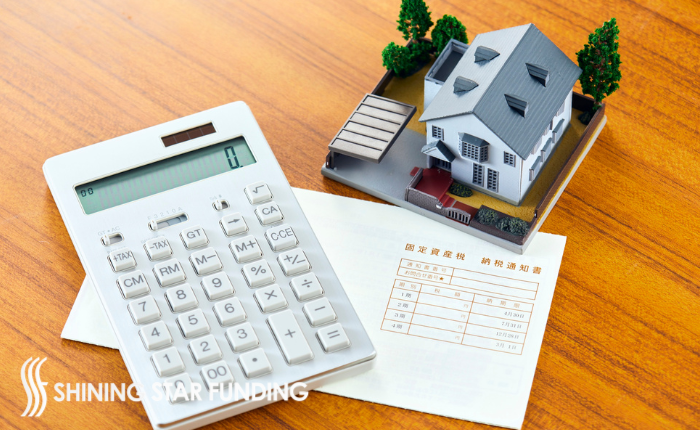
Property taxes are a key part of owning real estate, yet many buyers underestimate how often they change and what drives those increases. For homeowners, investors, and even retirees managing long-term assets, understanding these changes is essential for financial stability.
Many people ask questions like “do property taxes go up when you buy a house” or “how much does property tax go up every year.” The answer depends on several moving parts, including local market conditions, government decisions, and property-specific factors. For anyone navigating homeownership, knowing these triggers can help you plan ahead and avoid surprises.
What Are Property Taxes?
Property taxes are recurring fees paid by property owners to local governments. These taxes help fund essential public services such as schools, infrastructure, emergency services, and community development.
The amount you pay is typically based on:
- The assessed value of your property
- The local tax rate
- Applicable exemptions or adjustments
Because property values and tax rates can change, taxes are not fixed. This is why many people wonder how do taxes go up and what influences those increases over time. To map out how these potential changes impact your long-term housing costs, you can utilize our interactive mortgage calculators.
How to Conduct a Property Tax Search
Before purchasing a home or reviewing your current expenses, conducting a property tax search is a smart step. This allows you to understand historical tax trends and anticipate potential increases.
You can typically find property tax information through:
- Local government or assessor websites
- Public property records
- Real estate listings with tax history details
For those focused on homeownership, reviewing past tax data provides insight into whether a property has experienced steady increases or sudden spikes. Keeping an eye on our real-time rates page can also help you see how local economic pressures shift lending costs simultaneously.
Understanding the Property Tax Assessment Process
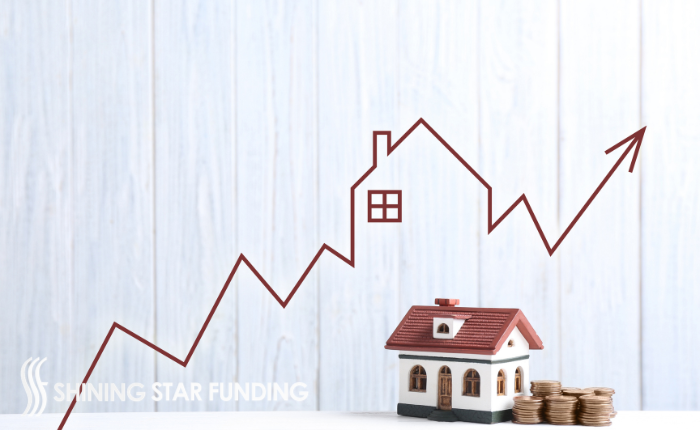
The assessment process determines how much your property is worth for tax purposes. Local assessors evaluate properties periodically and adjust values based on market conditions and physical changes to the home.
Key elements of the assessment process include:
- Reviewing recent home sales in the area
- Evaluating property size, condition, and features
- Applying local assessment ratios
This process explains why increased property taxes affect value perception. A higher assessed value may indicate growth in your property’s worth, but it also means higher tax obligations.
4 Key Factors Contributing to Higher Property Taxes
1. Home Improvements and Renovations
Upgrading your property can increase its market value, which often leads to a higher assessed value. Renovations such as adding rooms, upgrading kitchens, or improving outdoor spaces can trigger reassessments.
While these improvements enhance comfort and resale value, they can also be a reason for property taxes increase. Homeowners should weigh the long-term financial impact before making major upgrades, especially when borrowing via a conventional loan to finance the construction.
2. Economic Factors: Inflation and Housing Market Dynamics
Inflation and broader housing trends play a significant role in property tax changes. When property values rise across the market, assessed values typically follow.
In strong markets:
- Home prices increase
- Demand drives valuations higher
- Property taxes may rise accordingly
This is one of the main answers to how much does property tax go up every year—it varies depending on economic conditions. For those in homeownership, understanding these cycles helps with long-term budgeting. It is also highly relevant to consider how property taxes and insurance can affect mortgage payment calculations over time.
3. Government Policies and Local Budget Decisions
Local governments set tax rates based on budget needs. If a municipality requires more funding for public services, it may increase tax rates, even if property values remain stable.
Common reasons include:
- Infrastructure projects
- School funding requirements
- Public safety investments
This factor highlights how do taxes go up even without changes to your property. Policy decisions can directly impact your annual tax bill.
4. Impact of Nearby Home Sales and Property Value Changes
Recent sales in your neighborhood influence your property’s assessed value. If similar homes sell at higher prices, assessors may adjust your property value upward.
This means that even without making changes to your home, you could see increased property taxes affect value simply because of market activity around you.
This is also why many buyers ask, “do property taxes go up when you buy a house?” In many cases, the answer is yes—especially if the purchase price is higher than the previous assessed value. Understanding the broader mechanics of a property tax structure can prevent financial friction post-closing.
Do Property Taxes Go Up When You Buy a House?
When a property changes ownership, it may be reassessed at its new market value. If the purchase price is higher than the previous valuation, the tax bill can increase significantly.
For new buyers entering homeownership, this is an important consideration. The tax amount listed before purchase may not reflect what you will actually pay after closing, making it essential to master the fundamentals of how to get a mortgage that accommodates these fluctuations.
How Much Does Property Tax Go Up Every Year?
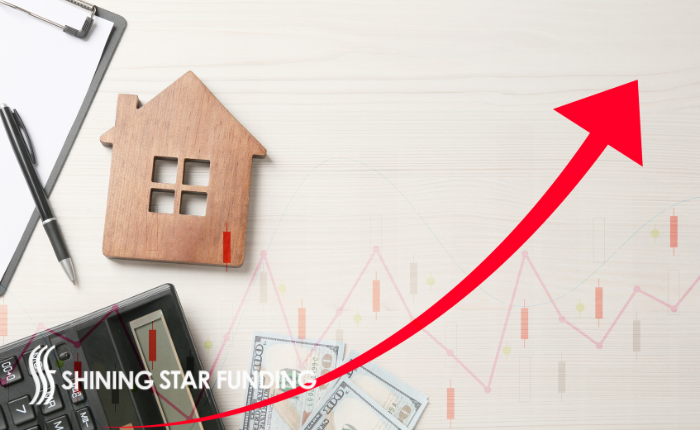
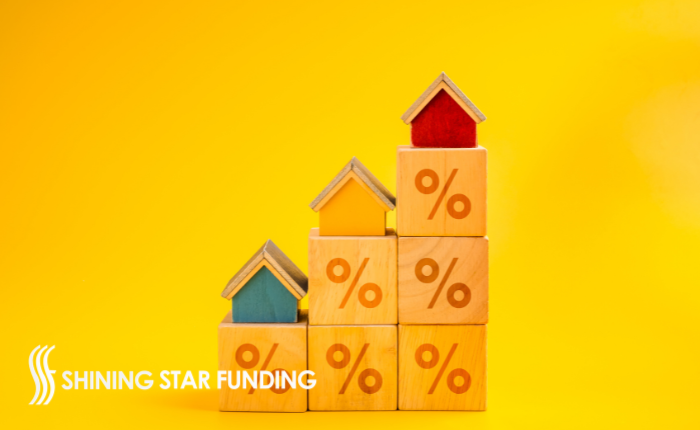
There is no fixed percentage for annual increases. Property taxes can rise gradually or jump depending on reassessments and local rate changes.
Typical scenarios include:
- Small annual increases tied to inflation
- Larger adjustments after reassessment cycles
- Significant changes following a property sale
This variability makes it essential for homeowners to plan for potential increases rather than assuming a stable amount.
Strategies for Mitigating Higher Property Taxes
While property taxes are unavoidable, there are ways to manage and potentially reduce your burden.
- Review your property assessment for accuracy
- Appeal assessments if they seem too high
- Apply for exemptions or tax relief programs
- Plan renovations carefully to avoid unnecessary reassessments
For those focused on homeownership, proactive management can make a significant difference in long-term costs.
Final Thoughts
Understanding the four main factors behind property tax increases can help you make smarter decisions as a homeowner or investor. From renovations and market trends to government policies and neighborhood sales, each element plays a role in shaping your tax bill.
Questions like “how do taxes go up” or “what is the reason for property taxes increase” become easier to answer when you see the bigger picture. For anyone committed to successful homeownership, staying informed is the best way to stay in control.
By planning ahead, monitoring changes, and using available strategies, you can navigate rising property taxes with confidence while protecting the value of your investment. When you are ready to evaluate your programmatic loan choices, you can easily begin by accessing our secure digital Apply Now portal.
Frequently Asked Questions
Most homeowners do this through an escrow account with their lender. The lender collects a portion of the tax with your mortgage payment and pays the county on your behalf.
Generally, yes. While some states have “caps” on how much taxes can rise for existing owners, a sale often “uncaps” the value, allowing the tax bill to jump to current market levels.
Usually, no. While an energy-efficient home is more valuable, most assessors don’t have the granular data from a HERS report to increase your taxes based on “green” tech like solar panels—though some states actually offer tax credits for these!
While higher taxes don’t lower the physical value of the house, they can affect the market value. If taxes in your town are significantly higher than the next town over, buyers may offer less for your home because their total monthly payment will be higher.
The most common way how do taxes go up without renovations is through “market appreciation.” If homes in your zip code are selling for more, the assessor assumes your home is worth more too.
There is no set percentage, but many homeowners see an average increase of 2% to 5% annually. However, in a year with a local bond passage or a city-wide reassessment, the jump can be much higher.
It varies by location. Some counties reassess every year, while others may only do so every 3 to 5 years.
The local government can place a tax lien on your home, which could eventually lead to a tax foreclosure sale.
One “mill” represents $1 of tax for every $1,000 of assessed value. If your town has a rate of 20 mills, you pay $20 for every $1,000 of value.
In theory, yes. However, assessments often lag behind the market. You may need to file an appeal to ensure your assessment reflects the new, lower market reality.

527 Sycamore Valley Rd W, Danville, CA 94526
Toll Free Call : (866) 280-0020
For informational purposes only. No guarantee of accuracy is expressed or implied. Programs shown may not include all options or pricing structures. Rates, terms, programs and underwriting policies subject to change without notice. This is not an offer to extend credit or a commitment to lend. All loans subject to underwriting approval. Some products may not be available in all states and restrictions may apply. Equal Housing Opportunity.
Interactive calculators are self-help tools. Results received from this calculator are designed for comparative and illustrative purposes only, and accuracy is not guaranteed. Shining Star Funding is not responsible for any errors, omissions, or misrepresentations. This calculator does not have the ability to pre-qualify you for any loan program or promotion. Qualification for loan programs may require additional information such as credit scores and cash reserves which is not gathered in this calculator. Information such as interest rates and pricing are subject to change at any time and without notice. Additional fees such as HOA dues are not included in calculations. All information such as interest rates, taxes, insurance, PMI payments, etc. are estimates and should be used for comparison only. Shining Star Funding does not guarantee any of the information obtained by this calculator.
Privacy Policy | Accessibility Statement | Term of Use | NMLS Consumer Access
CMG Mortgage, Inc. dba Shining Star Funding, NMLS ID# 1820 (www.nmlsconsumeraccess.org, www.cmghomeloans.com), Equal Housing Opportunity. Licensed by the Department of Financial Protection and Innovation (DFPI) under the California Residential Mortgage Lending Act No. 4150025. To verify our complete list of state licenses, please visit www.cmgfi.com/corporate/licensing