
Comprehensive Property Protection: How to Build a Complete Emergency Plan for Home Security and Resilience
Acquiring a primary residence or a residential building represents one of the most substantial financial milestones an individual can achieve. For first-time homebuyers navigating their initial purchase, self employed home buyers balancing personal and business assets under one roof, seasoned real estate investors scaling a geographic portfolio, retirees settling into a downsized property, or asset-rich individuals seeking for real estate investments, protecting that physical structure is an absolute priority. True property stewardship extends far beyond structural renovations and monthly mortgage payments; it requires a proactive approach to risk management. Reviewing our comprehensive homebuyer resources hub provides the fundamental knowledge required to handle unexpected housing variables. Developing a comprehensive emergency plan for home safety ensures that your loved ones and your real estate investments are thoroughly insulated from sudden, volatile environmental changes. When you implement these strategies alongside your timeline to prepare your home for sale or lease, you safeguard both human lives and financial equity against unpredictable disasters.
In the broader scope of long-term Home Preservation, understanding physical vulnerabilities is just as vital as managing interest rates or tax assessments. Physical structures face a wide array of environmental risks that can instantly disrupt daily life and compromise property values if left unaddressed. To ensure complete liquidity protection alongside physical security, homeowners should establish a robust financial buffer, similar to a standard corporate emergency fund as outlined by Investopedia. By establishing an organized, well-practiced response protocol, property owners can significantly minimize confusion, reduce physical damage, and accelerate recovery. This proactive process shifts a household from a state of passive vulnerability to active readiness, ensuring that sudden crises are met with clear, decisive action rather than panic.
Steps to Create a Personal Disaster Plan
Constructing a resilient household strategy requires systematic planning before any crisis occurs. Initiating the steps for a personal preparedness plan involves gathering all household members to evaluate specific geographic risks, establish communication channels, and assign practical operational duties. A sound strategy must outline exactly what actions to take during the critical initial minutes of an event, specifying who manages utilities, who secures household pets, and how communication will be maintained if standard cellular networks experience a sudden outage.
An effective framework outlines clear household meeting spots, designating one location immediately outside the front door for localized events like fires, and a secondary location outside the immediate neighborhood in case of a wider municipal evacuation. For real estate investors managing tenant-occupied spaces, outlining these pathways can prevent total property defaults and help communities avoid foreclosure scenarios due to sudden infrastructural destruction. Providing a clear template of these protocols to residents is an essential element of responsible asset management, ensuring that property protection and human safety are maintained across all units.
Plan for Common Disasters in Your Area
A universally applied approach rarely works when dealing with environmental hazards. Your structural preparations must be tailored to the specific meteorological and geological realities of your local area. Homeowners along coastal regions must focus their primary strategies on hurricane mitigation, storm surges, and severe wind resistance. Conversely, those living in western states or near dense forest lines must prioritize wildfire defense, air filtration systems, and the creation of defensible space around the building’s perimeter.
For individuals in the midwestern plains, heavy focus must be placed on tornado safety, including reinforcing basement walls or installing specialized storm shelters. Property owners in areas prone to earthquakes must secure heavy furniture to wall studs and install flexible gas line connections to prevent post-tremor fires. By matching your home emergency plan to the specific environmental threats of your region, you ensure that your safety equipment and structural reinforcements are optimized for the most likely scenarios.
Know Evacuation Routes
When local emergency management agencies issue a mandatory evacuation order, time becomes your most precious asset. Waiting until an evacuation is announced to map out a path can leave you trapped in severe gridlock or heading directly toward advancing hazards. Homeowners must study regional evacuation maps, identifying multiple alternative roads out of the area in case primary highways are closed or congested.

Plot out these routes clearly and keep a physical map in your vehicle, as digital navigation applications may fail during widespread infrastructure collapses. Securing an unencumbered primary shelter using low-interest conventional loans can give your family an alternative land base to retreat to when regional crises strike. Furthermore, establish ahead of time where you intend to seek shelter, whether that involves staying with family members in an adjacent county, booking accommodations in advance, or identifying pet-friendly public shelters. For retirees or individuals with limited mobility, coordinating transportation assistance with local municipal registries ahead of time is a critical component of ensuring a safe and timely departure.
Prepare an Emergency Kit
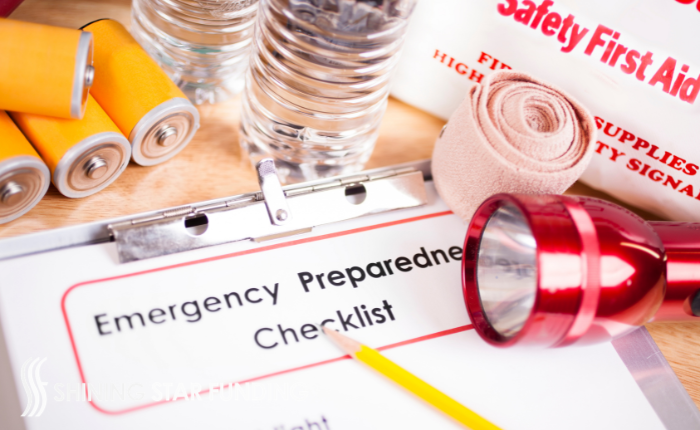
Widespread environmental events often disrupt municipal utility grids, leaving neighborhoods without electrical power, running water, or functional gas lines for days or weeks. Making comprehensive emergency preparations for disasters means building a fully stocked supply reserve that allows your household to remain completely self-sufficient for at least seventy-two hours. This supply reserve must be stored in durable, easily portable containers located in a highly accessible part of the home. To figure the exact budget requirements for building these emergency kits or reinforcing structural components, utilize our dynamic mortgage calculators and monitor live pricing trends via our real-time rates page.
When organizing these items, consider the unique demands of your household layout. Self-employed individuals who operate home offices should consider adding backup power banks or solar chargers to preserve communication lines for both personal safety and vital business operations. Reviewing and refreshing these supplies twice a year ensures that food items remain unexpired, batteries hold their full charges, and medical provisions are fully up to date.
Home Emergency Kit Checklist
A truly resilient supply reserve should contain the following items to guarantee absolute readiness during a crisis:
- Water: One gallon per person per day for a minimum of three days, dedicated to both consumption and basic sanitation.
- Food: A three-day supply of non-perishable, high-calorie items that require no cooking, refrigeration, or intensive preparation.
- Radio: A battery-powered or hand-crank NOAA Weather Radio with tone alerts, along with extra sets of fresh batteries.
- Lighting: High-efficiency LED flashlights and lanterns to replace candles, which present a dangerous fire hazard.
- First Aid: A comprehensive medical kit containing bandages, antiseptics, sterile gloves, burn treatments, and basic tools.
- Medications: At least a seven-day supply of all critical prescription medications and necessary medical devices.
- Tools: A multi-purpose tool or a wrench and pliers to safely shut off main water and gas valves if structural damage occurs.
- Sanitation: Wet wipes, heavy-duty garbage bags, and plastic ties for personal waste management when plumbing fails.
- Documents: Waterproof, portable containers holding copies of insurance policies, deed titles, identifications, and essential bank records.
- Cash: A reserve of physical currency in small denominations, as automated teller machines and electronic card readers will not function without electricity.
Plan for Your Specific Needs
A standard checklist cannot account for every unique demographic detail within a home. True disaster survival planning demands a closer look at the specific vulnerabilities of your household members. Families with infants must prioritize baby formula, sterilized water, diapers, and specialized medications. Those caring for elderly relatives or individuals with chronic medical conditions must ensure backup power options are in place for essential equipment like oxygen concentrators or insulin refrigeration.
Pets require independent planning as well. Standard emergency shelters often cannot accommodate animals due to health regulations, making it essential to identify dedicated pet-friendly hotels or boarding facilities along your evacuation route. Your kit should include pet food, extra water, leashes, vaccination records, and secure crates to minimize stress and prevent your animals from escaping during a chaotic transition.
Practice Your Plan Regularly
The most detailed safety strategy loses its value if it remains locked away in a drawer during a crisis. Under high-stress conditions, cognitive processing slows, making muscle memory and prior practice the ultimate deciding factors in human safety. Gather all residents twice a year to physically walk through your drills, practicing rapid building evacuations for fires and sheltering in place for severe storms.
Use these trial runs to test your household communication strategy, ensuring that young children know how to dial emergency numbers and understand who to contact if they become separated. Use these practice sessions as a regular reminder within your Home Preservation schedule to check your smoke alarms, inspect fire extinguishers, and ensure that window escapes are entirely clear of obstructions.
Recovering from Natural Disasters
The challenges of a major environmental event do not end when the storm passes or the ground stops moving. Navigating the aftermath requires a calm, structured approach to secure your property and stabilize your financial position. Entering a damaged building requires immense caution, as structural foundations may be compromised, gas lines might be leaking, and downed electrical wires can create hidden hazards.
Secure Your Belongings
Once local authorities confirm it is safe to return to your neighborhood, your immediate priority is to prevent secondary damage to your property. If the roof has been compromised or windows are broken, take proactive steps to install temporary tarps and board up open spaces to protect the interior from rain and vandalism. If safe to do so, remove high-value items, sensitive electronics, and critical documents to a secure, climate-controlled location to prevent mold growth and theft.
Document the Damage
Before moving any debris, throwing away damaged items, or initiating temporary structural repairs, perform a thorough visual documentation of the entire property. Use your smartphone to capture high-resolution photographs and comprehensive video tours of every affected room, highlighting structural cracks, water lines, and ruined personal property. Create an itemized inventory list detailing the age, approximate purchase price, and brand of every damaged item, as this exhaustive documentation forms the backbone of your financial recovery.
Make a Homeowners Claim
Contact your property insurance provider or independent broker as quickly as possible following a major event. Widespread regional disasters generate massive surges in insurance inquiries, making early filing crucial to securing a claims adjuster visit. Provide your agent with the itemized damage list and photographic evidence you gathered. Keep an organized log of every single communication with your insurance company, noting the date, time, name of the representative, and specific details discussed to ensure a transparent claims process.
Damage Prevention
The most effective recovery strategy is preventing damage before a crisis ever occurs. Incorporating structural reinforcements into your ongoing Home Preservation routine can dramatically lower the risk of severe property loss. Property owners can install impact-resistant storm shutters, reinforce garage doors against high-pressure winds, and clear dead overhanging tree branches that could fall onto the roof structure.
In flood-prone regions, installing a commercial-grade sump pump with a battery backup system can protect basements from rising water tables during power outages. Investing in high-quality fire-resistant building materials and maintaining a clean, cleared zone around your home’s exterior can provide the vital defense needed to save a home from advancing wildfires, protecting your equity and preserving your peace of mind. If you find your current home severely impacted by external factors and need mortgage help with dynamic restructure programs, our support networks remain completely accessible.
Additional Resources
To further refine your emergency preparations and stay informed during a regional crisis, consult these authoritative emergency management platforms:
- Federal Emergency Management Agency (FEMA) – Official federal portal for comprehensive disaster preparedness templates and regional recovery assistance programs.
- Ready.gov – Educational platform providing interactive toolkits for building specialized household survival plans and organizing supply kits.
- The American Red Cross – Practical resources for localized safety training, first-aid certification, and real-time open shelter locators during active evacuations.
- National Oceanic and Atmospheric Administration (NOAA) – Live weather tracking, regional hazard advisories, and historical climate safety statistics.
Ready to look into proactive real estate refinancing options to build out a secure cash reserve or execute structural hazard upgrades? You can apply now to lock in customized loan scenarios with our dedicated enterprise home underwriting specialists.
Frequently Asked Questions
Every household has unique concerns that should be included in a personalized disaster strategy. Consider: elderly family members, children, people with disabilities, medical equipment needs, language barriers, and pets. For example, families with medical conditions may need backup power sources or extra medication supplies. Parents should also teach children basic emergency contact information and safety procedures. Customized steps for a personal preparedness plan help ensure every member of the household remains protected.
Protecting valuables before and after a disaster can simplify insurance claims and reduce financial losses. Ways To Secure Belongings: store important documents in waterproof containers, use fireproof safes, back up digital files online, create a home inventory with photos and videos, and secure outdoor furniture and loose items. How To Document Damage: take photos immediately, record videos of affected areas, keep receipts for repairs, save temporary housing expenses, and maintain written records of communication with insurers. These actions can help speed up the homeowners insurance claims process after a disaster.
Different regions face different risks. Your emergency plan for home should address the disasters most likely to occur where you live. Common Disasters To Prepare For: floods, typhoons or hurricanes, earthquakes, wildfires, tornadoes, power outages, and landslides. Research local emergency alerts, weather patterns, and evacuation zones. Families living in coastal areas, for example, may prioritize flood and storm planning, while earthquake-prone regions should focus on structural safety and evacuation drills. Tailoring your emergency preparations for disasters to your location improves your readiness.
After a disaster, contact your insurance provider as soon as possible to begin the claims process. Steps To Make A Homeowners Claim: report the damage promptly, provide photos and documentation, prevent additional damage when possible, meet with insurance adjusters, and keep copies of all paperwork. Damage Prevention Tips: install storm shutters, reinforce roofing, trim trees near the home, elevate electrical systems in flood-prone areas, and install smoke and carbon monoxide detectors. Taking preventive measures before disasters occur can reduce repair costs and improve home safety.
Emergency plans work best when practiced regularly. Recommended Practice Schedule: fire drills every 6 months, evacuation drills at least annually, emergency communication reviews every few months, and emergency kit inspections twice a year. Practicing helps identify weaknesses in your plan before a real emergency occurs. Regular drills improve confidence and strengthen your overall home emergency plan.
Creating an effective disaster strategy starts with understanding the basic steps for a personal preparedness plan. Key Steps Include: identify local disaster risks, create evacuation routes, build emergency supply kits, establish communication plans, secure important documents, and practice emergency drills regularly. Good disaster survival planning focuses on preparation before emergencies happen, not during them.
Recovering from natural disasters requires patience, organization, and careful documentation. Immediate Recovery Steps: ensure everyone’s safety, follow local emergency instructions, avoid dangerous or damaged areas, contact loved ones, document property damage, and notify your insurance provider. Disaster recovery may take weeks or months depending on the severity of the event. Strong disaster survival planning includes both preparation and recovery strategies.
A well-stocked emergency kit can help your family survive during the first several days after a disaster. Home Emergency Kit Checklist Essential Supplies: bottled water, nonperishable food, flashlights, batteries, portable phone chargers, first aid kit, prescription medications, personal hygiene items, blankets and extra clothing, emergency cash, multi-purpose tools, and important documents in waterproof containers. Additional Items: pet supplies, baby formula or diapers, dust masks, emergency whistle, and battery-powered radio. Review your kit every six months to replace expired items and update supplies as needed. A reliable kit is one of the most important parts of an emergency plan for home.
A home emergency plan helps your household respond quickly and safely during unexpected disasters. Emergencies often happen with little warning, leaving families confused or unprepared. Having a clear plan can help you: reduce panic during emergencies, protect family members and pets, minimize property damage, improve communication during evacuations, and recover faster after disasters. Strong emergency preparations for disasters can make a major difference in both safety and financial recovery.
Evacuation routes are essential during fast-moving emergencies such as fires, floods, or storms. Your household should know: multiple ways out of your neighborhood, nearby evacuation centers, emergency shelter locations, alternative transportation options, and safe meeting points outside the home. Practice these routes regularly so every family member understands where to go during an emergency. Effective disaster survival planning always includes evacuation preparation.

527 Sycamore Valley Rd W, Danville, CA 94526
Toll Free Call : (866) 280-0020
For informational purposes only. No guarantee of accuracy is expressed or implied. Programs shown may not include all options or pricing structures. Rates, terms, programs and underwriting policies subject to change without notice. This is not an offer to extend credit or a commitment to lend. All loans subject to underwriting approval. Some products may not be available in all states and restrictions may apply. Equal Housing Opportunity.
Interactive calculators are self-help tools. Results received from this calculator are designed for comparative and illustrative purposes only, and accuracy is not guaranteed. Shining Star Funding is not responsible for any errors, omissions, or misrepresentations. This calculator does not have the ability to pre-qualify you for any loan program or promotion. Qualification for loan programs may require additional information such as credit scores and cash reserves which is not gathered in this calculator. Information such as interest rates and pricing are subject to change at any time and without notice. Additional fees such as HOA dues are not included in calculations. All information such as interest rates, taxes, insurance, PMI payments, etc. are estimates and should be used for comparison only. Shining Star Funding does not guarantee any of the information obtained by this calculator.
Privacy Policy | Accessibility Statement | Term of Use | NMLS Consumer Access
CMG Mortgage, Inc. dba Shining Star Funding, NMLS ID# 1820 (www.nmlsconsumeraccess.org, www.cmghomeloans.com), Equal Housing Opportunity. Licensed by the Department of Financial Protection and Innovation (DFPI) under the California Residential Mortgage Lending Act No. 4150025. To verify our complete list of state licenses, please visit www.cmgfi.com/corporate/licensing