
Buying a Historic Home: The Ultimate Preservation and Investment Blueprint
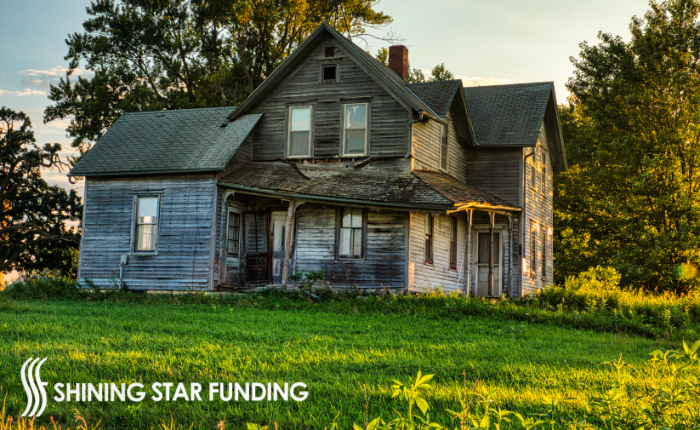
Stepping into an older property allows you to walk through a living canvas of architectural artistry, where hand-carved millwork, original hardwood floors, and storied pasts create a sense of character that modern suburban developments simply cannot replicate. For many passionate property seekers, buying a historic home represents the ultimate fulfillment of an architectural dream, exploring various types of homes, and a unique way to anchor a real estate portfolio. However, crossing the threshold of a heritage property requires moving past pure emotional nostalgia and entering the transaction with strict analytical discipline. When you are systematically preparing to buy, mastering these rules on our homebuyer resources platform ensures you can protect your upfront capital and successfully preserve a piece of cultural history.
Succeeding in this specialized real estate niche requires tailored strategies depending on your personal financial profile. First-time homebuyers often seek out these properties for their irreplaceable craftsmanship and community roots, self-employed home buyers value the ability to build massive sweat equity over time, and retirees or asset-rich individuals seeking for real estate investments look to capture the resilient market values that well-preserved heritage enclaves routinely command. By learning how local and national registries operate, exploring specialized options like fixer-reno loans, analyzing the unique cost balances of preservation, and organizing your financial resources, you can confidently turn a vintage estate into a secure, thriving asset.
What Is a Historic Home and What Makes a Property Historic?
Not every old property automatically qualifies for official landmark status. When exploring how old is a house to be considered historic, a general rule of thumb used by national preservation bodies is that the structure must be at least 50 years old. However, passing the age threshold is only the baseline entry requirement. To be officially recognized and listed on registries like the National Register of Historic Places, a building must possess documented historical significance.
This significance is proven through a few specific avenues. A home can achieve this status if it is directly tied to defining historical events, served as the residence of a significant historical figure, or represents a pristine, textbook example of a specific architectural era—such as a masterfully crafted Queen Anne Victorian, a classic Georgian estate, or an authentic mid-century modern design. For those considering buying a 200 year old house, the property almost certainly possesses these deep historical and architectural roots, making it an irreplaceable asset within the local municipality and proving that buying a house is a good investment when handled strategically.
Understanding the Boundaries of a Historic District
When you look to buy historic house inventory, you will frequently discover that individual homes are clustered together inside a designated historic district. A historic district is a geographically defined neighborhood that contains a dense concentration of buildings, structures, or sites united by a shared historical timeline or architectural style. These zones are protected by local municipal ordinances and monitored by dedicated landmark commissions.
Living within these protected boundaries means you are entering a collective pact with your neighbors to maintain the exterior aesthetic integrity of the community. Local architectural boards enforce strict design guidelines covering any visible changes you make to the property, ensuring that a modern remodel or an out-of-character addition doesn’t dilute the historical charm of the streetscape. This collective enforcement creates a predictable environment that insulates the neighborhood from erratic development and protects long-term property values.
How to Find and Finance a Historic Home
Learning how to buy historic homes requires expanding your search parameters beyond traditional consumer real estate websites. Savvy buyers connect with specialized preservation brokers, review online databases managed by national trust organizations, and monitor local historical society newsletters to uncover unique properties before they hit the open market. This proactive scouting is a vital phase of preparing to buy, allowing you to track down hidden gems in historic enclaves.
Financing a historic home requires an equally specialized approach because traditional institutional underwriters often view unique, aged structures as elevated risks. If a property requires significant structural stabilization, standard conventional loans might fall short. Instead, experienced buyers look to specialized government products, such as the FHA 203(k) Rehabilitation Loan, which allows you to roll the purchase price and the projected cost of historical renovations into a single consolidated mortgage. Additionally, some state and local housing agencies offer specialized vintage home loan programs featuring flexible underwriting guidelines tailored specifically for landmark preservation projects. You can easily estimate your potential renovation budget by using our mortgage calculators.
The Benefits of Owning a Piece of History
Taking on the stewardship of a landmark building brings an array of deeply satisfying personal rewards and unique financial advantages that are completely unavailable in standard master-planned subdivisions:
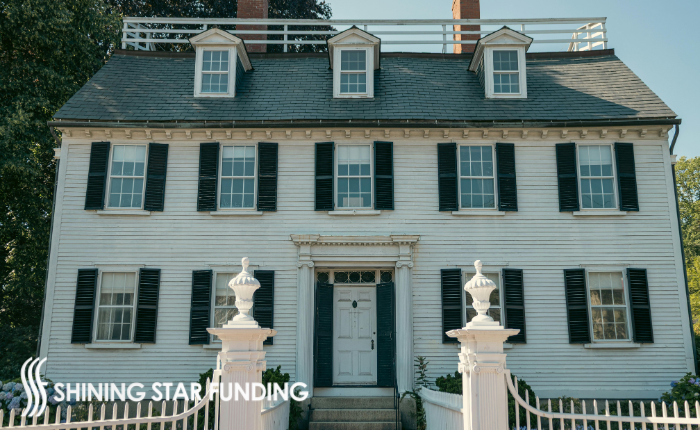
- Owning a Unique Piece of History: You become the custodian of an authentic narrative, living among architectural elements, vintage masonry, and structural timbers that tell the story of a bygone era.
- Joining a Preservation Community: Moving into a historic district connects you with an active, tight-knit group of neighbors who share an identical passion for architectural stewardship, civic history, and localized community preservation.
- Capturing Resilient Investment Values: Historical validation often creates a protective economic bubble around a neighborhood. Real estate data frequently shows that a well-maintained historic home retains its premium valuation far better during broader market downturns due to its inherent scarcity and unique character.
- Accessing Financial Assistance for Renovations: To offset the cost of strict preservation work, owners can often access an array of state-level tax credits, local historic preservation grants, and low-interest rehabilitation loans designed to make matching historical building materials highly affordable.

The Downsides and Structural Risks to Manage
While the aesthetic and cultural appeal of a historic home is undeniably strong, you must balance your enthusiasm against the practical administrative and financial hurdles that come with older infrastructure:
| Operational Challenge | Real-World Strategic Impact |
|---|---|
| Stricter Local Regulations | Any exterior modifications, from window replacements to paint colors, must get formal approval from local landmark commissions. |
| Costly Specialized Repairs | Fixing structural elements often requires hiring specialized historic contractors and sourcing custom materials, inflating basic maintenance budgets. |
| Insurance and Underwriting Friction | Standard insurance companies may refuse coverage due to outdated plumbing or electrical systems, requiring specialized high-value policies. |
| Complex Resale Market | The unique maintenance needs and regulatory oversight can shrink your target buyer pool, occasionally lengthening your days on market. |
Proactive Management and Valuation Metrics
Before finalizing any transaction on a landmark building, establishing an accurate real estate value estimate historic home calculation requires looking past simple neighborhood comps. You must factor in the total projected capital expenditures needed to bring outdated utility systems up to modern safety standards and verify current mortgage rates to lock in your long-term carry costs. A home with a low purchase price can quickly become an expensive proposition if it requires immediate foundation leveling or complete masonry tuckpointing.
To safeguard your investment, it is critical to understand what the home inspector is looking for during a heritage review, and always partner with a specialized structural engineer who has a proven track record evaluating historic framing, lime mortar, and vintage load-bearing layouts. Identifying latent environmental hazards like lead piping or asbestos insulation during your inspection window allows you to negotiate credit reductions with the seller, keeping your post-closing renovation budget fully protected.
Practical Tips for Caring for a Historic House
Long-term success in vintage property ownership requires adopting a preventative, protective approach to property management. When you are preparing to buy and maintain a heritage property, implementing these three disciplined care routines will help you easily extend the lifespan of your home’s irreplaceable materials:
- Prioritize Moisture Management: Water is the ultimate enemy of historic timber and masonry. Inspect your gutters, downspouts, and flashing every spring and fall to ensure rainwater is channeled far away from your vintage foundation and wood siding.
- Repair Rather Than Replace: Whenever possible, opt to restore original architectural components instead of ripping them out for modern alternatives. For example, original old-growth wood windows can be re-corded, weather-stripped, and fitted with exterior storm windows to achieve modern energy efficiency without destroying the home’s historic facade.
- Use Period-Appropriate Materials: Never apply modern Portland cement to historic brickwork that was originally built with soft lime mortar. Modern hard cements trap moisture inside vintage brick, causing the faces of the bricks to crack and pop off during freeze-and-thaw cycles. Always use matching, breathable building materials.
Achieving Sustainable Historic Wealth
Ultimately, purchasing a historic property is a noble and highly rewarding venture if you treat the property with the analytical respect it commands. By understanding local historic district rules, aligning your financing early, and budgeting carefully for specialized craftsmen, you can transform a vintage estate into a powerful wealth-building vehicle. Embrace your role as a temporary guardian of architectural history, and you will easily protect your capital, elevate your community, and enjoy an extraordinary living environment for decades to come. When you are ready to explore your borrowing options for a heritage property, you can apply online today to speak with our preservation specialists.
Frequently Asked Questions
Yes, you can absolutely use a traditional conventional loan to buy historic house properties. However, securing traditional financing can be significantly more complicated. Underwriters require a highly precise home appraisal, and finding modern comparable homes (“comps”) in the area can be incredibly difficult.
Historical properties often maintain an excellent real estate value estimate historic home track record. Because these properties are inherently limited in supply, their rarity protects them from market volatility. Furthermore, homes situated within protected historic districts frequently appreciate at a steadier, higher rate than surrounding modern neighborhoods because buyers pay a premium for the guaranteed character and long-term aesthetic protection of the streetscape.
Understanding how to buy historic homes requires a specialized approach. You can locate these properties by browsing the National Register database, visiting your State Historic Preservation Office (SHPO), or searching localized historic preservation real estate sites. When navigating the purchase, your most vital asset is a real estate agent who specializes in historic properties. They will understand the localized zoning bylaws and can guide you toward specialized historic home inspectors who know exactly how to check for aging structural elements, knob-and-tube wiring, and outdated plumbing.
When exploring this market, a common baseline question is: how old is a house to be considered historic? According to the National Register of Historic Places, a property must generally be at least 50 years old to qualify. However, age is only the first step; the home must also retain its “physical integrity,” meaning its original design, materials, and character-defining features remain relatively unchanged since its construction.
Caring for an antique home requires proactive preservation rather than reactive repairs. Tackle Issues Early: A small roof or plumbing leak in an old house can cause catastrophic rot or structural damage much faster than it would in a modern build. Inspect your perimeter frequently. Document Everything: Keep a detailed physical log and photo record of your home’s original design details, woodwork trims, and paint formulas to make matching materials easier during future repairs. Work with Preservation Pros: Never hire a standard contractor for delicate historic work. Always seek out certified preservation architects and specialized historic tradespeople who understand how to handle vintage masonry, plaster walls, and original timber framing without causing damage.
While the charm is undeniable, buying a 200 year old house introduces substantial modern challenges that you must budget for in advance: Stricter Regulations: Local preservation boards can restrict your remodeling choices. You may be legally required to use historically accurate (and expensive) materials, like custom wood-framed windows instead of modern vinyl. Costly, Frequent Repairs: Foundation settling, aging roofs, plumbing failure, and environmental remediation (such as removing lead paint or asbestos) can trigger massive unexpected invoices. Insurance Obstacles: Standard insurance companies often hesitate to cover historic structures because the cost to rebuild them using historically accurate materials and specialized craftsmen is astronomical.
Owning a Piece of History: You get to live inside a unique architectural masterpiece that cannot be replicated by today’s mass-produced, cookie-cutter housing developments. Community and Preservation: You join a tight-knit, passionate community of neighbors who are deeply committed to neighborhood preservation and historical pride. Financial Assistance for Renovations: Homeowners can often tap into federal and state historic tax credits, local preservation grants, and property tax freezes designed to offset the costs of maintaining historic integrity.
A historic home is a property that has been officially recognized by a local, state, or federal government entity for its architectural significance or its connection to past historical events. These homes are deemed worthy of preservation to protect the cultural heritage of the area. It is important to note that a house does not automatically become “historic” simply because it has aged—it must pass a formal evaluation process.
A historic district is a geographically defined neighborhood or zone where a high concentration of buildings, structures, and landscape features are collectively united by a shared history or architectural aesthetic. If you purchase a property within these boundaries, your home may be classified as a “contributing property.” This means you are legally bound by the district’s local preservation ordinances, which are designed to keep the entire neighborhood’s historic streetscape intact.
A historic home is a residential property recognized for its architectural, cultural, or historical significance. These homes are often preserved because they represent a specific era, design style, or historical event. In many cases, they are part of official heritage listings or local preservation programs.
To earn an official historic designation, a property must demonstrate clear historical significance in at least one of three ways: Historical Association: The property is tied to an event, activity, or broader development that shaped our history, or it was owned by a figure of historical importance. Architectural Excellence: The home embodies the distinctive physical and spatial characteristics of an architectural era (such as Victorian, Craftsman, or Colonial) or showcases the work of a master builder. Archeological Value: The property or its land has the potential to yield important historical information through archaeological research.

527 Sycamore Valley Rd W, Danville, CA 94526
Toll Free Call : (866) 280-0020
For informational purposes only. No guarantee of accuracy is expressed or implied. Programs shown may not include all options or pricing structures. Rates, terms, programs and underwriting policies subject to change without notice. This is not an offer to extend credit or a commitment to lend. All loans subject to underwriting approval. Some products may not be available in all states and restrictions may apply. Equal Housing Opportunity.
Interactive calculators are self-help tools. Results received from this calculator are designed for comparative and illustrative purposes only, and accuracy is not guaranteed. Shining Star Funding is not responsible for any errors, omissions, or misrepresentations. This calculator does not have the ability to pre-qualify you for any loan program or promotion. Qualification for loan programs may require additional information such as credit scores and cash reserves which is not gathered in this calculator. Information such as interest rates and pricing are subject to change at any time and without notice. Additional fees such as HOA dues are not included in calculations. All information such as interest rates, taxes, insurance, PMI payments, etc. are estimates and should be used for comparison only. Shining Star Funding does not guarantee any of the information obtained by this calculator.
Privacy Policy | Accessibility Statement | Term of Use | NMLS Consumer Access
CMG Mortgage, Inc. dba Shining Star Funding, NMLS ID# 1820 (www.nmlsconsumeraccess.org, www.cmghomeloans.com), Equal Housing Opportunity. Licensed by the Department of Financial Protection and Innovation (DFPI) under the California Residential Mortgage Lending Act No. 4150025. To verify our complete list of state licenses, please visit www.cmgfi.com/corporate/licensing