
Home Appraisal Vs Inspection: Understanding The Key Differences During The Homebuying Process

Buying a home involves multiple steps designed to protect both buyers and lenders before a transaction becomes final. Two of the most important stages are the appraisal and the inspection. While many buyers use the terms interchangeably, they serve very different purposes during the homebuying process.
Understanding home appraisal vs inspection can help buyers make informed decisions, avoid surprises, and better protect their financial investment. Whether you are a first-time buyer, a retiree downsizing into a smaller property, a self-employed borrower managing financial documentation, or a real estate investor evaluating potential returns, knowing the difference between inspection and appraisal is essential. To accurately evaluate how these physical property conditions map out against your target financial qualifications, utilizing active toolsets on our main calculator page can establish clear financial limits early in your search.
Although both processes evaluate the property, one focuses primarily on value while the other focuses on condition and safety.
What Is A Home Appraisal?
A home appraisal is a professional evaluation of a property’s market value. Mortgage lenders usually require appraisals to ensure the property is worth the amount being financed.
An appraiser analyzes factors such as:
- Property size
- Location
- Lot characteristics
- Comparable recent sales
- Property condition
- Market trends
The appraiser’s main goal is determining whether the home’s value supports the agreed purchase price. If you run into unexpected local market valuation variances during the closing process, establishing an explicit appraisal contingency safeguards your earnest money deposit contractually.
Appraisals are typically ordered by the lender as part of the homebuying process because lenders want to reduce the risk of lending more money than the property is worth.
What Is A Home Inspection?
A home inspection is a detailed examination of the property’s physical condition. Unlike an appraisal, an inspection focuses on identifying existing or potential problems within the home.
Professional home inspectors evaluate:
- Roof condition
- Electrical systems
- Plumbing systems
- Heating and cooling equipment
- Foundation structure
- Windows and doors
- Insulation and ventilation
- Appliances
- Water damage
The purpose of a home inspection vs appraisal is entirely different. Inspections help buyers understand repair needs, safety concerns, and possible future maintenance expenses. For a highly detailed overview of asset reporting boundaries, you can review Investopedia’s home inspection definition to isolate standard diagnostic metrics.
Most inspections produce a written report outlining findings and recommendations.
Home Appraisal Vs Inspection: The Main Difference
The easiest way to understand home appraisal vs inspection is to remember:
- An appraisal determines value
- An inspection determines condition
Although both involve evaluating the property, they serve different audiences and objectives during the homebuying process. Factoring these transactional parameters alongside changing market environments found on our real-time rates page gives you maximum leverage when establishing loan options.
| Feature | Home Appraisal | Home Inspection |
|---|---|---|
| Main Purpose | Determine market value | Evaluate physical condition |
| Ordered By | Lender | Buyer |
| Protects | Lender | Buyer |
| Focus | Property value | Repairs and safety |
| Required For Financing | Usually yes | Typically optional but recommended |
| Length Of Evaluation | Shorter review | More detailed examination |
Understanding the appraisal and inspection process together helps buyers prepare for both financial and property-related decisions.
Why Appraisals Matter During The Homebuying Process
Lenders use appraisals to confirm that the property supports the loan amount.
If the home appraises at or above the purchase price, financing usually proceeds normally.
However, problems may arise if the appraisal comes in lower than expected.

What Happens If The Appraisal Is Too Low?
A low appraisal may create several possible outcomes:
- The buyer pays the difference in cash
- The seller lowers the purchase price
- The buyer renegotiates the contract
- The transaction falls through
This is one reason understanding appraisal vs inspection is important during negotiations. If market value adjustments limit your options, exploring a structured appraisal waiver program might be viable under specialized lending profiles.
An appraisal can affect financing approval even if the property itself appears to be in excellent condition.
Why Inspections Matter During The Homebuying Process
Home inspections help buyers identify hidden problems before finalizing the purchase.
Without an inspection, buyers may unknowingly inherit expensive repair issues after closing.
Common inspection findings include:
- Roof leaks
- Foundation cracks
- Outdated wiring
- Plumbing leaks
- Mold growth
- HVAC failures
- Pest damage
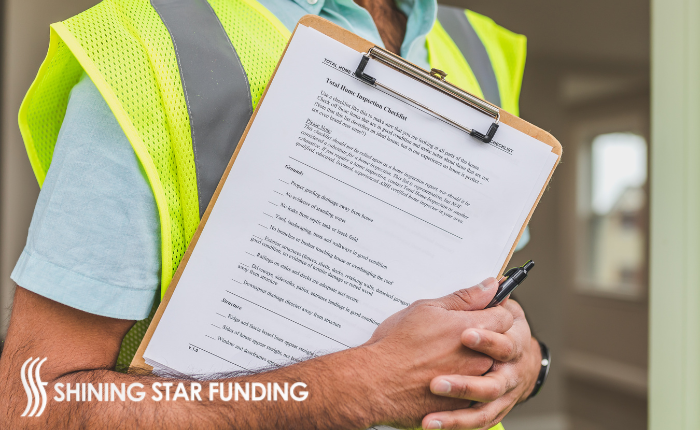
Unlike appraisals, inspections provide buyers with detailed information about the actual condition of the property.
This knowledge can influence whether buyers:
- Continue with the purchase
- Request repairs
- Negotiate credits
- Walk away from the deal
For many first-time buyers, understanding the difference between inspection and appraisal reduces confusion during contract negotiations. In competitive arenas, proactive sellers often order a comprehensive pre-inspection report to systematically address defect items before listing the asset.

Can A Home Pass Appraisal But Fail Inspection?
Yes. This situation happens frequently.
A home may appraise successfully because its market value supports the purchase price, even if the property has repair issues.
For example:
- A home in a desirable neighborhood may appraise well despite needing roof repairs
- Strong comparable sales may support the value even if systems are outdated
That is why relying only on an appraisal can be risky for buyers.
The home inspection vs appraisal comparison highlights how each process serves a completely different purpose.
Can A Home Fail An Appraisal?
Technically, homes do not “pass” or “fail” appraisals in the same way inspections work. However, certain issues may cause financing concerns.
Examples include:
- Major safety hazards
- Structural damage
- Incomplete construction
- Severe deferred maintenance
- Health and safety violations
Some loan programs have stricter property standards than others.
In certain situations, lenders may require repairs before approving financing.
Who Pays For The Appraisal And Inspection?
Appraisal Costs
The buyer usually pays for the appraisal as part of closing expenses, even though the lender orders it.
Appraisal fees vary depending on:
- Property size
- Location
- Complexity of the property
- Local market rates
Inspection Costs
The buyer also typically pays for the inspection directly.
Additional specialized inspections may increase total costs, including:
- Termite inspections
- Sewer inspections
- Radon testing
- Mold inspections
While inspections add upfront expenses during the homebuying process, they may help buyers avoid significantly larger repair costs later. Once you have validated the physical components of the property structure, you can securely apply now online to coordinate active processing steps with our deployment management team.
Should Buyers Waive The Inspection?
In highly competitive markets, some buyers waive inspection contingencies to strengthen their offers.
However, waiving inspections can create substantial financial risk.
Without a professional inspection, buyers may miss:
- Structural problems
- Electrical hazards
- Water damage
- Foundation concerns
- Major repair needs
For most buyers, especially first-time homeowners, inspections remain one of the most important protections available during the homebuying process.
How Appraisal And Inspection Work Together
Although appraisal and inspection serve different purposes, they complement each other during a transaction.
Together, they help buyers evaluate:
- Whether the home is worth the purchase price
- Whether the property condition meets expectations
- Potential repair expenses
- Long-term investment value
For real estate investors, these evaluations help estimate renovation budgets and future resale value.
For retirees and long-term homeowners, they help identify maintenance concerns that could affect future living expenses.
Common Misunderstandings About Home Appraisal Vs Inspection
An Appraisal Is Not A Detailed Inspection
Some buyers mistakenly believe the appraiser thoroughly evaluates every system in the home.
In reality, appraisers perform only a limited visual review compared to licensed inspectors.
An Inspection Does Not Determine Market Value
Inspectors focus on condition and safety, not pricing analysis.
Even homes with repair issues may still carry strong market value depending on location and demand.
Lenders Care More About Value Than Cosmetic Issues
Lenders primarily focus on protecting the collateral securing the loan.
Minor cosmetic problems usually do not affect financing approval.
Final Thoughts
Understanding home appraisal vs inspection helps buyers make smarter decisions throughout the homebuying process.
An appraisal protects the lender by verifying market value, while an inspection protects the buyer by uncovering potential repair and safety concerns. Both play important roles, but they serve very different purposes.
Whether you are purchasing your first home, investing in additional real estate, downsizing for retirement, or managing a complex self-employed income situation, understanding the difference between inspection and appraisal can help you avoid surprises and negotiate with greater confidence.
By viewing appraisal and inspection as complementary tools instead of interchangeable steps, buyers can better evaluate both the financial and physical condition of a property before closing. To review our expansive catalog of financial checklists and marketplace tutorials, browse our primary homebuyer resources archive.
Frequently Asked Questions
No. An appraisal and inspection report serve separate roles: an inspection report details defects, safety risks, and recommended repairs, while an appraisal report provides a market value supported by data and recent sales. In other words, one report focuses on value, the other on condition.
Yes—inspection results can be a major negotiating point during the homebuying process. If the inspection uncovers significant issues, buyers can ask for repairs, request credit toward closing costs, renegotiate price, or walk away (if an inspection contingency exists). The appraisal vs inspection difference here is clear: the appraisal protects the lender’s investment, while the inspection protects the buyer’s interests.
No. Many buyers wonder if they can skip a home inspection since the lender requires an appraisal. But home inspection vs appraisal are not interchangeable. An appraisal won’t alert you to electrical hazards, and an inspection won’t confirm whether the home is worth the loan amount. Skipping the inspection can risk costly surprises later.
A home inspection does not directly affect the appraisal value. However, serious issues discovered during inspection can lead to repair negotiations—and repairs may indirectly influence the appraisal if they improve the property. Still, appraisal values are driven more by market data than inspection findings.
Costs vary by region and home size, but generally: a home inspection costs $300-$600+ and a home appraisal costs $400-$700+. Your lender may roll appraisal fees into your closing costs, while inspection fees are paid upfront.
A home appraisal is an unbiased estimate of a property’s market value. Licensed appraisers use comparable sales, market conditions, and property details to determine how much the home is worth. Appraisals are typically required by lenders to make sure the property is worth the amount you’re borrowing.
A home inspection looks at the condition of the home—inside and out. A licensed inspector evaluates things like the roof, foundation, electrical system, plumbing, and HVAC. Unlike an appraisal, a home inspection focuses on safety and potential repairs, not value.
The difference between inspection and appraisal lies in their purpose: an appraisal determines the market value of the home, while an inspection evaluates the condition and identifies issues that may need repair. Both appraisal and inspection help protect the buyer—but in different ways.
The appraisal vs inspection timeline usually goes like this: 1. Offer accepted, 2. Home inspection (early in contingencies), and 3. Appraisal (required by lender before closing). The inspection happens before the appraisal in most cases, but they can be scheduled close together depending on timing and availability.
A home inspection is ordered by the buyer, while an appraisal is ordered by the lender. Even though the buyer typically pays for both, you have more control over selecting your inspector than your appraiser.

527 Sycamore Valley Rd W, Danville, CA 94526
Toll Free Call : (866) 280-0020
For informational purposes only. No guarantee of accuracy is expressed or implied. Programs shown may not include all options or pricing structures. Rates, terms, programs and underwriting policies subject to change without notice. This is not an offer to extend credit or a commitment to lend. All loans subject to underwriting approval. Some products may not be available in all states and restrictions may apply. Equal Housing Opportunity.
Interactive calculators are self-help tools. Results received from this calculator are designed for comparative and illustrative purposes only, and accuracy is not guaranteed. Shining Star Funding is not responsible for any errors, omissions, or misrepresentations. This calculator does not have the ability to pre-qualify you for any loan program or promotion. Qualification for loan programs may require additional information such as credit scores and cash reserves which is not gathered in this calculator. Information such as interest rates and pricing are subject to change at any time and without notice. Additional fees such as HOA dues are not included in calculations. All information such as interest rates, taxes, insurance, PMI payments, etc. are estimates and should be used for comparison only. Shining Star Funding does not guarantee any of the information obtained by this calculator.
Privacy Policy | Accessibility Statement | Term of Use | NMLS Consumer Access
CMG Mortgage, Inc. dba Shining Star Funding, NMLS ID# 1820 (www.nmlsconsumeraccess.org, www.cmghomeloans.com), Equal Housing Opportunity. Licensed by the Department of Financial Protection and Innovation (DFPI) under the California Residential Mortgage Lending Act No. 4150025. To verify our complete list of state licenses, please visit www.cmgfi.com/corporate/licensing