
Inflation and Mortgage Rates: How Rising Prices Shape Home Loan Costs
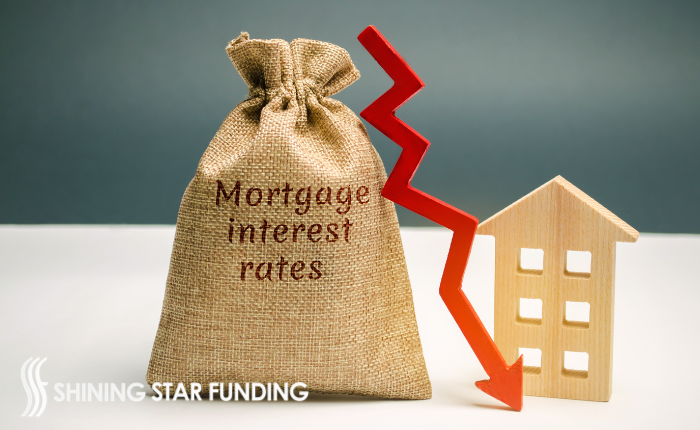
Understanding inflation and mortgage rates is essential for anyone planning to buy, refinance, or invest in real estate. In the category rates, these two economic forces are closely connected and play a major role in determining how affordable homeownership becomes over time. Monitoring live marketplace shifts through our real-time rates index provides clear visual context on how these inflationary cycles impact current loan pricing.
When inflation rises or falls, mortgage interest rates tend to follow. This relationship affects monthly payments, borrowing power, and long-term affordability. For buyers, investors, and homeowners, learning how these forces interact can make a significant difference in financial planning. Utilizing an interactive main calculator page can help you simulate different macroeconomic scenarios to see how prospective shifts alter your financing limits.
In the rates category, inflation is one of the most influential drivers behind housing market conditions and lending costs.
What Is Inflation?
Inflation refers to the gradual increase in the price of goods and services over time. When inflation rises, the purchasing power of money decreases, meaning each dollar buys less than it did before.
In simple terms, inflation means everyday expenses—such as food, transportation, and housing—become more expensive over time.
In the rates category, inflation is a key factor that central banks and lenders closely monitor because it directly influences interest rates, including mortgage pricing.
Common causes of inflation include:
- Increased consumer demand
- Higher production costs
- Supply chain disruptions
- Expansion of money supply
Understanding inflation is the first step in answering how does inflation affect interest rates in the broader financial system. To analyze the exact historical parameters behind market movements, you can review Investopedia’s guide to factors that affect mortgage rates for deeper background.
How Inflation And Mortgage Interest Rates Work Together
The relationship between inflation and mortgage rates is closely linked. When inflation increases, lenders typically raise interest rates to maintain profitability and reduce risk.
In the rates category, this connection explains why borrowing costs fluctuate over time.
Here’s how the relationship works:
- Higher inflation reduces the future value of money
- Lenders demand higher interest rates to compensate
- Mortgage rates increase in response to inflation trends
This is why inflation and mortgage rates often move in the same direction. When inflation rises, mortgage rates usually rise as well. When inflation slows, rates may stabilize or decrease. Reviewing the historical mortgage rates 30-year fixed archive highlights how past inflationary spikes directly triggered parallel shifts in consumer borrowing benchmarks.
For borrowers, this means timing plays an important role in determining affordability and long-term costs.
Higher Interest Rates Set By The Federal Reserve
The Federal Reserve plays a major role in influencing interest rates across the economy, including mortgage rates.
While the Fed does not directly set mortgage rates, it controls the federal funds rate, which impacts short-term borrowing costs for banks. These changes eventually ripple into long-term lending products like home loans.
In the rates category, this mechanism is one of the most important ways monetary policy affects housing affordability.
When inflation rises, the Federal Reserve often increases interest rates to slow economic activity and reduce spending. This helps stabilize prices but also makes borrowing more expensive.
As a result:
- Consumer loans become more expensive
- Credit card interest rates increase
- Mortgage rates trend upward over time
This is a key reason why does inflation affect interest rates is such an important question in financial planning. If you are tracking these adjustments to secure an optimal property file, you can apply now online to establish an active interest framework before subsequent economic policy updates.
Higher Mortgage Rates Driven By Investors
Mortgage rates are also influenced by investors who buy mortgage-backed securities (MBS).
These investors expect returns on their investments, and when inflation rises, they demand higher yields to compensate for reduced purchasing power in the future.
In the rates category, this investor behavior is a major driver behind rising mortgage costs.
When inflation increases:
- Bond yields rise
- Mortgage-backed securities become more expensive
- Lenders increase mortgage interest rates
This dynamic creates a direct link between inflation expectations and mortgage pricing.
In turn, inflation and mortgage rates become tightly connected through investor behavior and market demand.
Fixed Rate Mortgage And Inflation
A fixed rate mortgage provides borrowers with a stable interest rate throughout the life of the loan.
In an inflationary environment, a fixed rate mortgage can offer significant advantages because monthly payments remain unchanged even as the cost of living increases.
In the rates category, this stability is one of the main reasons borrowers choose fixed-rate loans during periods of economic uncertainty.
Benefits of a fixed rate mortgage during inflation include:
- Predictable monthly payments
- Protection against rising interest rates
- Long-term budgeting stability
To fully grasp how these protective mechanisms function across long amortization terms, consult our explanatory piece detailing what is a fixed rate mortgage.
However, if inflation decreases and interest rates fall, borrowers with fixed loans may miss opportunities to refinance at lower rates.
Does Inflation Affect Interest Rates?
Yes, inflation has a direct and significant impact on interest rates. This is one of the most important principles in modern economics.
When inflation rises, lenders and central banks adjust rates upward to preserve economic balance and protect lending returns.
In the rates category, the relationship between inflation and borrowing costs is fundamental to understanding mortgage pricing trends.
Key reasons inflation affects interest rates include:
- Preserving lender profit margins
- Controlling economic overheating
- Maintaining currency value stability
This is why how does inflation affect interest rates is a central question in both personal finance and macroeconomic policy.

What Will Inflation Do To Mortgage Rates?
The impact of inflation on mortgage rates depends on how persistent and strong inflation trends are.
In general:
- Rising inflation leads to higher mortgage rates
- Stable inflation leads to steady rates
- Falling inflation can lead to lower mortgage rates over time
However, mortgage rates also depend on investor behavior, economic growth, and Federal Reserve policy.
In the rates category, inflation is one of several interconnected forces that determine borrowing costs.
For example, even if inflation slows, mortgage rates may remain elevated if investors expect future inflation or economic uncertainty.
How To Calculate Loan Payment With Inflation In Mind
While traditional mortgage calculators estimate monthly payments based on interest rates and loan terms, inflation adds another layer of financial consideration.
Borrowers often use tools to calculate loan payment with inflation assumptions to understand long-term affordability.
In practical terms, this means estimating how future income and expenses may change over time compared to a fixed mortgage payment.
Factors to consider include:
- Fixed monthly mortgage payment
- Projected income growth
- Expected inflation rate
- Changes in living expenses
In the rates category, this approach helps borrowers evaluate real purchasing power over the life of the loan rather than just the initial payment amount.
Why Inflation And Mortgage Rates Matter For Homebuyers
Understanding inflation and mortgage rates is essential for making informed homebuying decisions.
These factors influence:
- Monthly mortgage affordability
- Loan approval amounts
- Long-term financial planning
- Timing of home purchases
In the rates category, borrowers who understand these dynamics are better equipped to navigate changing market conditions.
Key Takeaways On Inflation And Mortgage Rates
The relationship between inflation and borrowing costs is one of the most important drivers of the housing market.
Key insights include:
- Inflation reduces purchasing power and increases borrowing costs
- Mortgage rates rise when inflation expectations increase
- The Federal Reserve influences rates through monetary policy
- Investors play a major role in setting long-term mortgage pricing
- Fixed-rate mortgages provide protection during inflationary periods
For buyers and homeowners in the rates category, understanding these connections helps improve financial decision-making and long-term planning. Whether evaluating timing, affordability, or refinancing options, inflation remains a key factor shaping mortgage rate trends. Explore our full catalog of consumer educational guides through the homebuyer resources data hub.
Frequently Asked Questions
Yes. Does inflation affect interest rates? Absolutely. When inflation rises, central banks raise benchmark rates, lenders increase loan rates, and mortgage rates typically climb. When inflation slows, interest rates often stabilize or decline.
Inflation and mortgage rates are closely connected. When inflation rises, lenders demand higher returns, bond yields increase, and mortgage rates go up. This relationship is the foundation of inflation and mortgage rates movements in the housing market.
You can use tools or estimates to calculate loan payment with inflation by considering rising interest rate expectations, changes in property taxes and insurance, and income growth over time. Even if inflation increases wages, higher mortgage rates can still raise monthly payments.
Not necessarily. Timing inflation is difficult. Instead, focus on your budget, stable income, credit readiness, and long-term housing needs. A fixed rate mortgage and inflation environment can actually benefit long-term homeowners if they lock in a rate early.
If inflation remains high for an extended period, mortgage rates stay elevated, home affordability decreases, buyers may delay purchasing, and refinancing becomes less attractive. This is why inflation stability is important for housing markets.
A fixed rate mortgage and inflation relationship works differently depending on timing: Before borrowing, inflation influences your rate; after locking in, your rate stays the same. This means inflation can actually benefit borrowers with fixed-rate loans because payments stay constant while wages and prices rise.
Inflation is the general increase in prices of goods and services over time, which reduces the purchasing power of money. When inflation rises, everything becomes more expensive—including borrowing money for a home. That’s why understanding how does inflation affect interest rates is key to understanding mortgage costs.
In most cases, rising inflation pushes mortgage rates higher. Recent market trends show that persistent inflation keeps mortgage rates elevated, even when short-term fluctuations occur. So, inflation expectations are one of the strongest predictors of future mortgage costs.
The Federal Reserve doesn’t directly set mortgage rates, but it influences them by adjusting short-term interest rates. When the Fed raises rates to fight inflation, borrowing becomes more expensive, consumer demand slows, and mortgage rates often rise indirectly. This is a key part of does inflation affect interest rates dynamics.
Mortgage Lenders and investors require higher returns during inflation because money loses value over time, future payments are worth less in real terms, and investors want protection from purchasing power loss. So, rising inflation leads to higher mortgage rate expectations in the bond market.

527 Sycamore Valley Rd W, Danville, CA 94526
Toll Free Call : (866) 280-0020
For informational purposes only. No guarantee of accuracy is expressed or implied. Programs shown may not include all options or pricing structures. Rates, terms, programs and underwriting policies subject to change without notice. This is not an offer to extend credit or a commitment to lend. All loans subject to underwriting approval. Some products may not be available in all states and restrictions may apply. Equal Housing Opportunity.
Interactive calculators are self-help tools. Results received from this calculator are designed for comparative and illustrative purposes only, and accuracy is not guaranteed. Shining Star Funding is not responsible for any errors, omissions, or misrepresentations. This calculator does not have the ability to pre-qualify you for any loan program or promotion. Qualification for loan programs may require additional information such as credit scores and cash reserves which is not gathered in this calculator. Information such as interest rates and pricing are subject to change at any time and without notice. Additional fees such as HOA dues are not included in calculations. All information such as interest rates, taxes, insurance, PMI payments, etc. are estimates and should be used for comparison only. Shining Star Funding does not guarantee any of the information obtained by this calculator.
Privacy Policy | Accessibility Statement | Term of Use | NMLS Consumer Access
CMG Mortgage, Inc. dba Shining Star Funding, NMLS ID# 1820 (www.nmlsconsumeraccess.org, www.cmghomeloans.com), Equal Housing Opportunity. Licensed by the Department of Financial Protection and Innovation (DFPI) under the California Residential Mortgage Lending Act No. 4150025. To verify our complete list of state licenses, please visit www.cmgfi.com/corporate/licensing