
Flood Insurance Explained: Coverage, Requirements, and How Much You Really Need
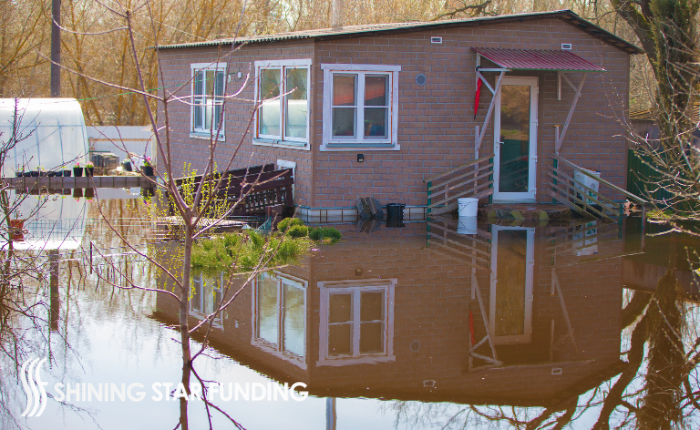
Water damage is one of the most costly and unpredictable risks homeowners face. For those entering the category of homeownership, understanding flood insurance is essential to protecting both property and financial stability. Reviewing our compiled Homebuyer Resources early can help you understand the structural guidelines governing hazard protections. While many assume standard home insurance policies cover floods, the reality is very different—and often misunderstood.
Whether you’re buying your first home, investing in real estate, or settling into retirement, knowing the answers to questions like do I need flood insurance and when is flood insurance required can help you avoid costly surprises. If you are currently examining the requirements on how to get a mortgage, determining your dynamic escrow obligations early is a vital asset.
What Does Flood Insurance Cover?
Flood insurance is designed to protect your home and belongings from damage caused by rising water levels due to natural events such as heavy rainfall, storm surges, or overflowing rivers. To review an educational framework of standard policy coverages, you can inspect Investopedia’s comprehensive flood insurance analysis.
Coverage typically falls into two main categories:
- Building coverage: This includes the structure of your home, foundation, electrical and plumbing systems, HVAC units, built-in appliances, and permanently installed flooring.
- Contents coverage: This protects personal belongings such as furniture, clothing, electronics, and portable appliances.
For those in the category of homeownership, this type of protection is especially important in areas prone to seasonal storms or unexpected weather changes. Understanding how much flood insurance do i need depends largely on the value of your home and possessions.
What Isn’t Covered by Flood Insurance?
While flood insurance offers essential protection, it does have limitations. Knowing what is not covered can help you plan more effectively.
- Damage caused by moisture, mildew, or mold that could have been prevented
- Currency, precious metals, and valuable documents
- Outdoor property such as landscaping, decks, and swimming pools
- Temporary housing or living expenses
- Vehicles
These exclusions highlight the importance of combining flood insurance with other forms of coverage for complete protection. For anyone focused on homeownership, understanding these gaps is critical when evaluating risk.
Is Flood Insurance Required?
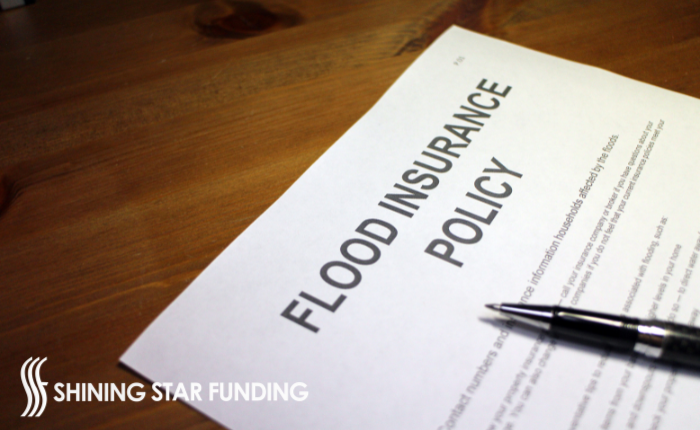
One of the most common questions is is flood insurance required. The answer depends on several factors, particularly location and financing.
Flood insurance is typically required if your property is located in a high-risk flood zone and you have a mortgage from a federally regulated or insured lender. In these cases, lenders require coverage to protect their investment, a protective mandate often built into underwriting checks for a standard conventional loan.
So, when is flood insurance required? It is generally mandated when:
- Your home is in a designated high-risk flood area
- You are using financing tied to federal regulations
- The property has a history of flooding or is near water sources
However, even if it is not required, it may still be a wise investment.
Do I Need Flood Insurance?
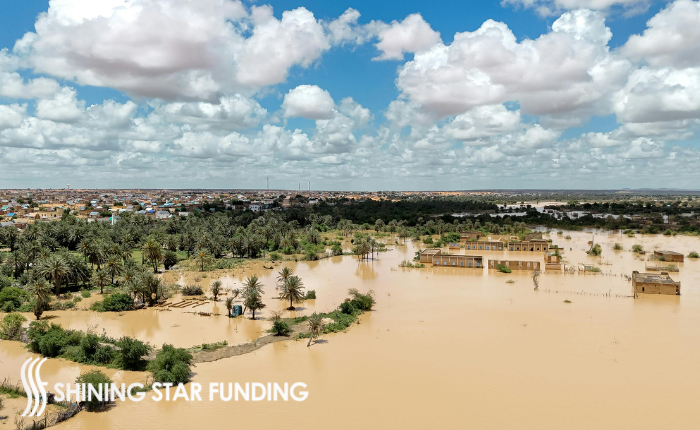
Many homeowners assume they are safe if they live outside high-risk zones. But the reality is that flooding can occur anywhere. This leads to an important question: do I need flood insurance if I’m in a low-risk area?
The answer is often yes. A significant percentage of flood claims come from areas considered low to moderate risk. Weather patterns are changing, urban development affects drainage, and unexpected events can happen. It is important to explore how property taxes and insurance can affect mortgage payments long before making your initial offer.
For those entering homeownership, especially first-time buyers, it’s important to think beyond current risk maps. Consider factors such as:
- Local drainage systems
- Nearby construction or land development
- Climate patterns in your region
- Elevation of your property
Ultimately, deciding whether you need coverage comes down to risk tolerance and financial preparedness.
Homeowners in Low-Risk Areas
Living in a low-risk zone does not eliminate the possibility of flooding. In fact, many homeowners in these areas opt for flood insurance because premiums are often more affordable compared to high-risk zones.
For buyers in the category of homeownership, this presents an opportunity to secure protection at a lower cost while still benefiting from peace of mind. It also adds an extra layer of security for long-term property value.
Risks Can Change Over Time
Flood risk is not static. Changes in weather patterns, infrastructure, and land use can all impact your property’s exposure to flooding.
Areas that were once considered safe may become vulnerable due to:
- Increased rainfall or severe weather events
- Urban expansion reducing natural drainage
- Changes in flood zone designations
This is why homeowners should regularly reassess their need for coverage. For those committed to responsible homeownership, staying informed about environmental changes is just as important as maintaining the property itself.
Types of Flood Insurance
There are different types of flood insurance policies available, each designed to meet specific needs:
- Government-backed policies: These are standardized policies that provide building and contents coverage with set limits.
- Private flood insurance: Offered by private insurers, these policies may provide higher coverage limits and additional benefits.
Choosing the right type depends on your property value, location, and financial goals. Understanding how much flood insurance do i need will help you select the most appropriate option.
How Much Flood Insurance Do I Need?
Determining coverage amount is a key step in protecting your investment. The goal is to ensure that both your home and belongings are adequately covered in the event of a flood.
Consider the following when calculating your needs:
- The cost to rebuild your home
- The value of your personal belongings
- Your property’s flood risk level
- Your financial ability to cover out-of-pocket expenses
For those in the category of homeownership, aligning coverage with actual risk ensures that you are neither underinsured nor overpaying for unnecessary protection.
To analyze how potential hazard premiums or escrow adjustments alter your monthly payment structure, evaluate your purchase parameters with our interactive mortgage calculators and monitor current baseline yields across our real-time mortgage rates portal. Once your insurance and property criteria are fully established, you can securely apply now to lock in your custom loan track.
Final Thoughts
Flood insurance plays a vital role in safeguarding your home and financial future. From understanding what is covered to knowing when flood insurance is required, every homeowner benefits from being informed.
Whether you are evaluating do i need flood insurance or exploring your options as a new buyer, the key is preparation. Flood risks can change, and being proactive ensures that you are ready for whatever comes your way.
In the journey of homeownership, protecting your investment is just as important as acquiring it. With the right coverage and awareness, you can enjoy your home with greater confidence and peace of mind.
Frequently Asked Questions
Not always. Homeowners in low-risk areas may still face flooding due to storms, drainage issues, or changing weather patterns. Many claims come from areas outside high-risk flood zones.
Yes, flood risk can change due to climate patterns, new development, or updated FEMA maps. That’s why homeowners are encouraged to periodically reassess whether they need flood insurance even after purchase.
If your home is in a high-risk flood zone or you have a federally backed mortgage, you may be required to carry flood insurance. Even in lower-risk areas, it is often recommended because floods can happen anywhere.
During homeownership, flood insurance protects you financially if rising water damages your property. Claims are filed after a qualifying flood event, and payouts help cover repairs or rebuilding costs.
The amount of coverage depends on your home’s replacement cost and risk level. You should insure enough to rebuild your home and replace essential belongings, not just the market value of the property.
No, is flood insurance required depends on location and mortgage type. It is mandatory in designated high-risk flood zones for homes with federally backed loans, but optional elsewhere unless a lender requires it.
Flood insurance typically covers the structure of your home, including electrical systems, plumbing, appliances, and sometimes personal belongings damaged by rising water. Coverage depends on the policy type and provider.
Flood insurance is a separate policy that covers damage to your home and belongings caused by flooding events such as heavy rain, storm surge, or overflowing rivers. Most standard homeowners insurance policies do not include flood coverage.
Flood insurance usually does not cover temporary housing costs, vehicles, landscaping, decks, or damage caused by mold that could have been prevented. Many personal valuables and outdoor structures are also excluded.
When is flood insurance required is typically determined at the time of mortgage approval. If a property is in a FEMA-designated high-risk flood zone, lenders will require coverage before closing or loan approval.

527 Sycamore Valley Rd W, Danville, CA 94526
Toll Free Call : (866) 280-0020
For informational purposes only. No guarantee of accuracy is expressed or implied. Programs shown may not include all options or pricing structures. Rates, terms, programs and underwriting policies subject to change without notice. This is not an offer to extend credit or a commitment to lend. All loans subject to underwriting approval. Some products may not be available in all states and restrictions may apply. Equal Housing Opportunity.
Interactive calculators are self-help tools. Results received from this calculator are designed for comparative and illustrative purposes only, and accuracy is not guaranteed. Shining Star Funding is not responsible for any errors, omissions, or misrepresentations. This calculator does not have the ability to pre-qualify you for any loan program or promotion. Qualification for loan programs may require additional information such as credit scores and cash reserves which is not gathered in this calculator. Information such as interest rates and pricing are subject to change at any time and without notice. Additional fees such as HOA dues are not included in calculations. All information such as interest rates, taxes, insurance, PMI payments, etc. are estimates and should be used for comparison only. Shining Star Funding does not guarantee any of the information obtained by this calculator.
Privacy Policy | Accessibility Statement | Term of Use | NMLS Consumer Access
CMG Mortgage, Inc. dba Shining Star Funding, NMLS ID# 1820 (www.nmlsconsumeraccess.org, www.cmghomeloans.com), Equal Housing Opportunity. Licensed by the Department of Financial Protection and Innovation (DFPI) under the California Residential Mortgage Lending Act No. 4150025. To verify our complete list of state licenses, please visit www.cmgfi.com/corporate/licensing