
How to Be a Good Neighbor: Practical Tips for Building Strong Communities

Buying a home is more than choosing the right property—it’s about becoming part of a community. For individuals in the category of preparing to buy, understanding how to be a good neighbor is just as important as evaluating property value, location, and amenities. Strong neighborhood relationships can improve safety, increase property value, and enhance overall quality of life.
Whether you’re a first-time homebuyer, a retiree settling into a quieter lifestyle, or an investor looking for long-term value, being a good neighbor plays a key role in creating a harmonious environment. Reviewing expert-curated Homebuyer Resources can help you learn how to handle community entry and property integration smoothly from day one.
Qualities of a Good Neighbor
Being a good neighbor starts with personal values and everyday actions. These qualities are foundational to building trust and mutual respect:
- Respectful: Honors boundaries, privacy, and shared spaces
- Friendly: Open to communication without being intrusive
- Responsible: Maintains property and follows community rules
- Helpful: Willing to lend a hand when needed
- Considerate: Thinks about how actions affect others
An on being a good neighbor summary would highlight that small, consistent actions often matter more than grand gestures. These traits are especially valuable for those preparing to buy, as they show you understand how to get a mortgage and establish deep roots in a neighborhood with long-term stability.
How to Be a Good Neighbor: 6 Tips and Tricks
If you’ve ever asked yourself, “how can you be a neighbor to someone in a meaningful way?” the answer lies in consistent, thoughtful behavior. Here are six practical tips:
1. Have a Neighborly Attitude
Start with a simple greeting. A smile or short conversation can go a long way in building rapport. Being approachable helps create a welcoming atmosphere, especially important when you’re new and preparing to buy into a community.
2. Recognize Noise Levels
Noise is one of the most common sources of conflict. Keep music, gatherings, and activities at reasonable levels, particularly during early mornings or late evenings. Respecting quiet hours demonstrates consideration for others’ routines.
3. Maintain Curb Appeal
Your property reflects not just on you, but on the entire neighborhood. Keep your lawn trimmed, exterior clean, and repairs up to date. Good neighbor home management includes maintaining visual harmony that benefits everyone’s property value. Keeping your home in pristine shape means you will be fully prepared if you ever need to prepare your home for sale down the road. For more guidance on the legalities of property lines and neighborly relations, see Investopedia’s neighborhood property analysis.
4. Help Keep the Neighborhood Clean
Dispose of trash properly, avoid littering, and participate in community clean-ups if available. A clean neighborhood promotes pride among residents and is especially appealing to those in the category of preparing to buy.
5. Be Responsible for Your Furry Friends
Pets are wonderful companions, but they come with responsibilities. Clean up after them, ensure they are well-behaved, and prevent excessive noise like barking. This helps maintain peaceful coexistence.
6. Discuss Issues Tactfully
Conflicts can happen, but how you handle them matters. Approach conversations calmly, avoid accusations, and aim for solutions. Being respectful during disagreements is a hallmark of being a good neighbor.
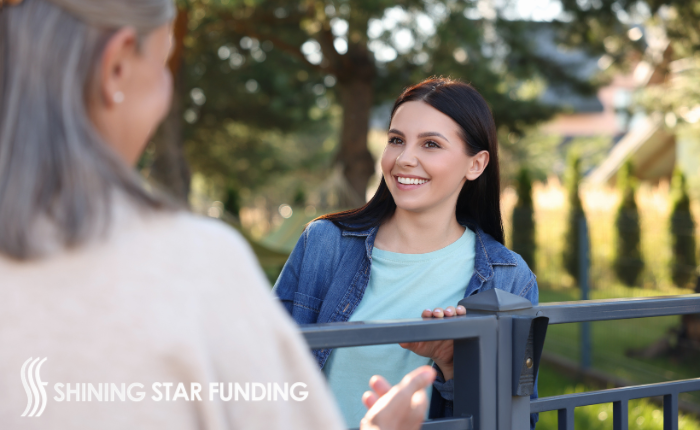
How to Maintain a Positive Neighborhood
Creating a thriving community requires ongoing effort. Here are effective ways to maintain positivity and connection:
Provide a Space for Communication
Whether it’s a group chat, bulletin board, or casual meetups, open communication helps neighbors stay informed and connected. This is especially beneficial for those preparing to buy, as it creates a sense of belonging early on.
Welcome New Neighbors
Introducing yourself to newcomers sets the tone for a friendly environment. A simple welcome can make a big difference in helping others feel at home.
Help Others in Need
Offering assistance—like helping carry groceries or watching over a home during travel—builds trust and strengthens relationships.
Report Criminal Activity
Safety is a shared responsibility. If you notice suspicious behavior, report it to the appropriate authorities. A vigilant community is a safer one.
Ways to Celebrate and Thank Your Neighbors
Positive relationships are worth celebrating. Showing appreciation fosters goodwill and reinforces community bonds.
Host a Neighborhood Block Party
Organizing a casual gathering encourages interaction and helps neighbors get to know each other beyond daily routines. It’s a great way to build lasting connections.
Create Welcome Baskets for New Neighbors
A small gesture like a welcome basket with snacks or local information can leave a lasting impression. It’s a thoughtful way to practice how to be a good neighbor.
Celebrate with a Holiday Meal
Sharing food during holidays or special occasions brings people together. It creates opportunities for meaningful conversations and shared experiences.
Why Being a Good Neighbor Matters When Preparing to Buy
For those in the category of preparing to buy, neighborhood dynamics are just as important as the property itself. A supportive community can enhance your living experience, while a negative environment can create unnecessary stress.
Being proactive about being a good neighbor helps you integrate smoothly and build relationships that can last for years. It also contributes to a stable and attractive neighborhood, which can positively impact property values—an important consideration for investors and homeowners purchasing with a standard conventional loan.
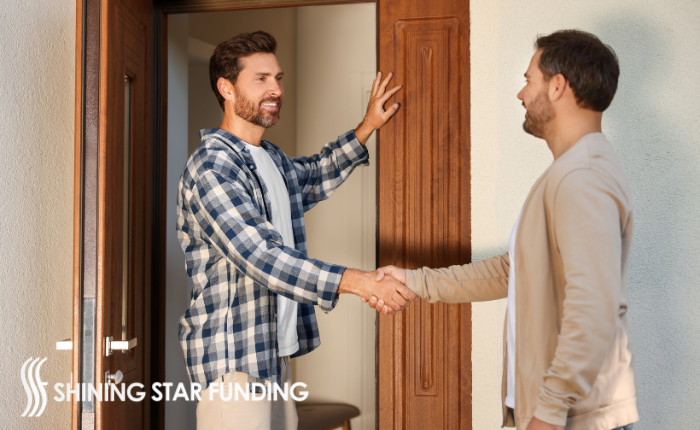

Final Thoughts
Understanding how to be a good neighbor is an essential part of homeownership. From maintaining your property to fostering positive relationships, every action contributes to a stronger, more connected community.
Whether you’re a first-time buyer, a retiree, or an investor, embracing these principles ensures that you not only find the right home but also become part of a thriving neighborhood. Ultimately, good neighbor home management is about respect, communication, and shared responsibility—values that benefit everyone involved.
To analyze how structural upkeep or location choices alter your personal financial planning margins, check your metrics with our interactive mortgage calculators and review matching interest structures using our real-time mortgage rates system. Once your target community and property profile are fully selected, you can securely apply now to lock in your financing roadmap.
Frequently Asked Questions
Community pride matters. To support cleanliness: Pick up litter around your home, Participate in neighborhood cleanups, and properly dispose of trash and recycling. Simple acts like these demonstrate being a good neighbor and encourage others to do the same.
If you’ve ever asked yourself, how can you be a neighbor to someone, start with simple gestures: Introduce yourself, Offer help during move-in, Exchange contact information, and Check in during emergencies. Small actions can make a big difference, especially when someone is new to the area.
Creating a positive environment goes beyond individual behavior. Consider: Providing a space for communication via group chats or boards; welcoming new neighbors by introducing yourself; helping others in need during difficult times; and reporting criminal activity to protect the community. These efforts strengthen bonds and promote shared responsibility.
Maintaining your property benefits everyone. This includes: Mowing the lawn, Removing trash, Repairing visible damage, and Keeping driveways and sidewalks clean. When everyone contributes, property values remain stable and the neighborhood looks inviting.
Disagreements happen. The key is communication. When addressing concerns: Speak privately, not publicly; Stay calm and respectful; Focus on solutions, not blame; and Listen to their perspective. Discussing issues tactfully preserves relationships while resolving problems effectively.
Community connection thrives on celebration. Here are meaningful ideas: Host a neighborhood block party, Create welcome baskets for new neighbors, Celebrate with a holiday meal or potluck, or leave thank-you notes for helpful neighbors. Celebrations foster belonging and show appreciation for the people who make your neighborhood feel like home.
The foundation of being a good neighbor includes: Respect, Communication, Responsibility, Kindness, and Reliability. A good neighbor respects boundaries while still being friendly and supportive. These qualities create trust and help build a positive living environment for everyone.
A neighborly attitude means approaching others with openness and goodwill. Smile, greet people warmly, and be approachable. When preparing to buy in a new neighborhood, your first impression sets the tone for long-term relationships. Positive energy spreads quickly — and so does negativity. Choose kindness.
Being responsible for furry friends is essential. This means: Keeping pets leashed when required, Cleaning up after them, Preventing excessive barking, and Securing fences properly. Pets are part of the family — but they shouldn’t become a source of tension within the community.
Noise complaints are one of the most common neighborhood conflicts. Practice good neighbor home management by: Keeping music at reasonable levels, Informing neighbors ahead of parties, and Avoiding loud yard work early in the morning or late at night. Being mindful of noise shows respect for others’ peace and routines.

527 Sycamore Valley Rd W, Danville, CA 94526
Toll Free Call : (866) 280-0020
For informational purposes only. No guarantee of accuracy is expressed or implied. Programs shown may not include all options or pricing structures. Rates, terms, programs and underwriting policies subject to change without notice. This is not an offer to extend credit or a commitment to lend. All loans subject to underwriting approval. Some products may not be available in all states and restrictions may apply. Equal Housing Opportunity.
Interactive calculators are self-help tools. Results received from this calculator are designed for comparative and illustrative purposes only, and accuracy is not guaranteed. Shining Star Funding is not responsible for any errors, omissions, or misrepresentations. This calculator does not have the ability to pre-qualify you for any loan program or promotion. Qualification for loan programs may require additional information such as credit scores and cash reserves which is not gathered in this calculator. Information such as interest rates and pricing are subject to change at any time and without notice. Additional fees such as HOA dues are not included in calculations. All information such as interest rates, taxes, insurance, PMI payments, etc. are estimates and should be used for comparison only. Shining Star Funding does not guarantee any of the information obtained by this calculator.
Privacy Policy | Accessibility Statement | Term of Use | NMLS Consumer Access
CMG Mortgage, Inc. dba Shining Star Funding, NMLS ID# 1820 (www.nmlsconsumeraccess.org, www.cmghomeloans.com), Equal Housing Opportunity. Licensed by the Department of Financial Protection and Innovation (DFPI) under the California Residential Mortgage Lending Act No. 4150025. To verify our complete list of state licenses, please visit www.cmgfi.com/corporate/licensing