
Subprime Mortgage Explained: Rates, Types, Risks, and Smart Alternatives
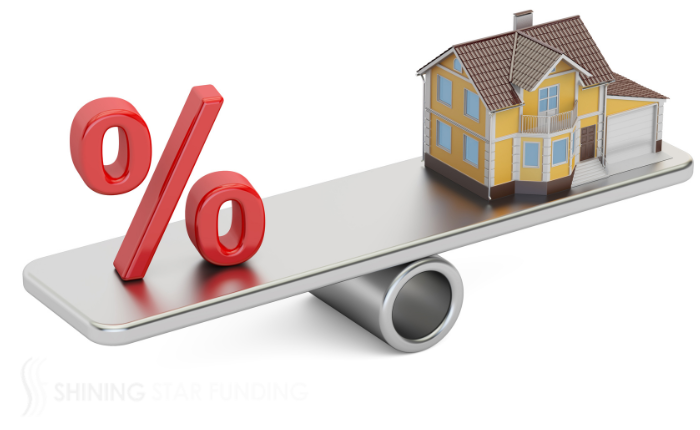
Not every homebuyer fits the traditional lending profile, and that’s where subprime loans come into the picture. For borrowers with lower credit scores or nontraditional financial histories, these loans can provide a pathway into homeownership. Within the homebuying process category, understanding how subprime mortgages work is essential before making any commitment.
From first-time buyers rebuilding credit to self-employed individuals with fluctuating income, sub prime loans are designed to serve a broader range of borrowers. However, they come with unique risks and considerations that require careful evaluation. To analyze how these alternative pricing brackets alter your long-term monthly housing budget, you can test various scenarios on our interactive portfolio of online mortgage calculators.
What Is a Subprime Mortgage?
A subprime mortgage is a type of home loan offered to borrowers who do not meet the standard requirements for prime lending. The subprime borrower definition typically includes individuals with lower credit scores, higher debt levels, or inconsistent income history.
Because these borrowers are considered higher risk, lenders compensate by charging higher interest rates, often referred to as subprime mortgage rates. In the homebuying process category, these loans can open doors to ownership but may increase long-term borrowing costs. You can monitor active daily adjustments to benchmark pricing structures by reviewing our real-time rates page.
How Do Subprime Mortgages Work?
Subprime loans function similarly to traditional mortgages, but with adjusted terms to reflect higher risk. Borrowers receive funds to purchase a home and repay the loan over time with interest.
Key characteristics include:
- Higher interest rates compared to prime loans
- Flexible credit requirements
- Stricter income verification in some cases
- Potential for adjustable rate structures
Subprime rates vary depending on credit score, loan type, and market conditions. Within the homebuying process category, understanding how these rates impact monthly payments is critical before moving forward. This evaluation is standard practice when planning how to get a mortgage that aligns perfectly with your current credit status.
Government Protections for Subprime Borrowers
Following past financial crises, regulations have been strengthened to protect borrowers from predatory lending practices. These protections include:
- Ability-to-repay rules requiring lenders to verify income and financial capacity
- Limits on risky loan features such as excessive fees
- Clear disclosure of loan terms and costs
These safeguards aim to ensure that subprime loans are used responsibly within the homebuying process category, reducing the likelihood of financial hardship. This modern oversight environment was established to eliminate historical predatory lending what it is and how to avoid it cycles across the housing industry.
Subprime vs. Prime Mortgages
Understanding the difference between subprime and prime mortgages helps clarify your options:
- Prime mortgages: Offered to borrowers with strong credit and stable income, featuring lower interest rates
- Subprime mortgages: Designed for higher-risk borrowers, with higher rates and more flexible requirements
The gap between subprime mortgage rates and prime rates can significantly impact affordability, making this comparison essential in the homebuying process category. To review the core foundational definitions of nonconforming lines, you can consult the official Investopedia subprime mortgage guide.

Subprime vs. Prime Mortgage Requirements
Requirements for these loan types differ in several key areas:
- Credit score: Prime loans typically require higher scores, while sub prime loans accept lower scores
- Down payment: Subprime borrowers may need larger down payments
- Debt-to-income ratio: More flexibility in subprime lending
These differences reflect the higher risk associated with subprime borrowers and explain why subprime rates are generally higher. For individuals who cannot document standard W-2 income, exploring customized Non-QM loans presents a highly flexible and reliable alternative to traditional qualification routes.
Subprime vs. Prime Mortgage Example
Consider two borrowers purchasing a $300,000 home:
- Prime borrower: 6% interest rate, monthly payment around $1,800
- Subprime borrower: 8% interest rate, monthly payment around $2,200
Over time, this difference can add tens of thousands of dollars in interest. In the homebuying process category, this example highlights the importance of understanding long-term costs.
Types of Subprime Mortgages
Subprime lending includes several loan structures tailored to different borrower needs:
Subprime Fixed-Rate Mortgage
This option offers a stable interest rate for the life of the loan, providing predictable monthly payments despite higher initial rates.
Subprime Adjustable-Rate Mortgage (ARM)
These loans start with lower introductory rates that adjust over time. Subprime rates can increase significantly after the initial period, making budgeting more challenging. Reviewing our diagnostic guide on adjustable rate mortgage pros and cons helps map out these reset windows cleanly.
Interest-Only Loan
Borrowers pay only interest for a set period before transitioning to full payments. This can reduce initial costs but increase long-term expenses.
Dignity Mortgage
This type of loan rewards consistent payment behavior by reducing interest rates over time, offering a pathway to better loan terms.
Each option serves different financial goals within the homebuying process category and should be evaluated carefully.

Pros and Cons of Subprime Lending
Pros of a Subprime Mortgage
- Access to homeownership for borrowers with limited credit
- Flexible qualification requirements
- Opportunity to build or rebuild credit history
For many buyers, subprime loans provide a starting point in the homebuying process category when other options are unavailable.
Cons of a Subprime Mortgage
- Higher subprime mortgage rates compared to prime loans
- Increased monthly payments
- Greater risk of payment shock with adjustable-rate loans
- Higher overall interest costs over time
These drawbacks highlight the importance of careful planning and financial stability.
Alternatives to a Subprime Mortgage
Before committing to sub prime loans, consider alternative options:
- Government-backed loans with lower credit requirements
- Improving credit score before applying
- Saving for a larger down payment
- Seeking co-borrowers or co-signers
These strategies may help borrowers qualify for better terms and lower interest rates in the homebuying process category.
Is a Subprime Mortgage Right for Me?
Determining whether a subprime mortgage is the right choice depends on your financial situation, goals, and risk tolerance. For some, it provides a valuable opportunity to enter the housing market sooner. For others, waiting and improving financial conditions may lead to more favorable loan terms.
First-time buyers, self-employed individuals, and investors should evaluate their ability to manage higher payments and potential rate changes. In the homebuying process category, aligning your loan choice with long-term financial plans is essential.
Final Thoughts
Subprime mortgages offer a pathway to homeownership for borrowers who may not qualify for traditional financing. While subprime loans can open doors, they also come with higher costs and risks that require careful consideration.
By understanding how subprime mortgage rates work, comparing loan types, and exploring alternatives, you can make informed decisions that support your financial future. Within the homebuying process category, knowledge and preparation are key to navigating subprime lending successfully. When you are ready to evaluate your dynamic credit tiers and review nonconforming options with our expert direct lending team, you can apply securely through our Apply Now portal.
Frequently Asked Questions
Yes. Since the 2008 crisis, the Consumer Financial Protection Bureau (CFPB) has implemented “Ability-to-Repay” rules. Lenders must now verify a borrower’s income and assets to ensure they can realistically afford the loan. Predatory features like “negative amortization” (where the loan balance grows despite making payments) are also largely restricted.
Yes. In fact, many people use subprime mortgages as a “bridge.” After 2–3 years of on-time payments, your credit score may improve enough to refinance into a prime mortgage with a much lower interest rate.
Subprime rates are typically 2% to 5% higher than prime rates. While a prime borrower might see a 6.5% rate, a subprime borrower might be quoted 9% to 11%.
It might be right if you have a stable income but a low credit score, and you have a pressing reason to buy now rather than waiting to repair your credit. However, if your budget is already tight, the higher monthly payments and potential for rate hikes could put you at risk of foreclosure.
Before choosing a subprime loan, look into FHA loans, which allow scores as low as 500 with a 10% down payment. Other options include finding a co-signer with better credit or looking for local first-time homebuyer grants.
The primary downsides are the high subprime mortgage rates and substantial fees. Because the interest is higher, you will pay much more over the life of the loan. There is also the risk of “payment shock” if you have an adjustable-rate mortgage and the rates reset higher.
The most common is the Subprime Adjustable-Rate Mortgage (ARM), such as a 2/28 or 3/27 loan. These have a fixed rate for the first two or three years, followed by a floating rate for the remainder of the term. Other types include Subprime Fixed-Rate Mortgages (often with 40 or 50-year terms) and Interest-Only Loans, where you only pay the interest for an initial period.
The biggest advantage is accessibility. It allows people with damaged credit or non-traditional income (like the self-employed) to stop renting and start building equity. It can also serve as a tool to rebuild credit if payments are made consistently.
Generally, a FICO score below 670 is considered subprime. However, some lenders specialize in “deep subprime” loans for scores below 580, while others may offer near-prime terms for scores in the low 600s.
A Dignity Mortgage is a specialized subprime product where the borrower puts down a larger deposit (usually 10%) and agrees to a higher interest rate. If they make on-time payments for a set period (like five years), the rate automatically drops to a prime level.

527 Sycamore Valley Rd W, Danville, CA 94526
Toll Free Call : (866) 280-0020
For informational purposes only. No guarantee of accuracy is expressed or implied. Programs shown may not include all options or pricing structures. Rates, terms, programs and underwriting policies subject to change without notice. This is not an offer to extend credit or a commitment to lend. All loans subject to underwriting approval. Some products may not be available in all states and restrictions may apply. Equal Housing Opportunity.
Interactive calculators are self-help tools. Results received from this calculator are designed for comparative and illustrative purposes only, and accuracy is not guaranteed. Shining Star Funding is not responsible for any errors, omissions, or misrepresentations. This calculator does not have the ability to pre-qualify you for any loan program or promotion. Qualification for loan programs may require additional information such as credit scores and cash reserves which is not gathered in this calculator. Information such as interest rates and pricing are subject to change at any time and without notice. Additional fees such as HOA dues are not included in calculations. All information such as interest rates, taxes, insurance, PMI payments, etc. are estimates and should be used for comparison only. Shining Star Funding does not guarantee any of the information obtained by this calculator.
Privacy Policy | Accessibility Statement | Term of Use | NMLS Consumer Access
CMG Mortgage, Inc. dba Shining Star Funding, NMLS ID# 1820 (www.nmlsconsumeraccess.org, www.cmghomeloans.com), Equal Housing Opportunity. Licensed by the Department of Financial Protection and Innovation (DFPI) under the California Residential Mortgage Lending Act No. 4150025. To verify our complete list of state licenses, please visit www.cmgfi.com/corporate/licensing