
Refinance Credit Impact Explained: Does Refinancing Hurt Your Credit?

Refinancing a mortgage can open the door to lower monthly payments, reduced interest costs, shorter loan terms, or access to home equity. But many homeowners hesitate because they worry about refinance credit impact and whether refinancing could lower their credit score.
For first-time homeowners, retirees, real estate investors, self-employed borrowers, and property owners exploring a refi guide strategy, understanding how refinancing interacts with credit is an important part of making smart financial decisions.
The reality is that refinancing may cause a temporary dip in your score, but the long-term financial benefits can often outweigh the short-term effects. Knowing what happens during the refinance process helps borrowers prepare and protect their credit profile throughout the transaction.
Does Refinancing Hurt Your Credit?
One of the most common questions homeowners ask is: does refinancing hurt your credit?
The answer is yes, refinancing can temporarily affect your credit score. However, the impact is usually small and often short-lived for borrowers with strong financial habits.
Several parts of the refinancing process influence your score, including:
- Hard credit inquiries
- Opening a new mortgage account
- Paying off the old mortgage
- Changes in credit age
- Potential payment disruptions during the transition
For many borrowers following a refi guide plan, these temporary score fluctuations are manageable and may recover over time if payments continue consistently.
What Does Refinancing A Mortgage Involve?
Refinancing replaces an existing home loan with a new mortgage. Homeowners refinance for several reasons, such as:
- Lowering interest rates
- Reducing monthly payments
- Changing loan terms
- Switching from adjustable to fixed rates
- Accessing home equity through cash-out refinancing
- Removing mortgage insurance in some situations
The refinance process generally includes:
- Submitting a mortgage application
- Authorizing a credit check
- Providing income and asset documentation
- Completing a home appraisal in many cases
- Underwriting review
- Closing the new loan
Because refinancing involves applying for new credit, lenders evaluate a borrower’s creditworthiness much like they would for a home purchase mortgage. Homeowners mapping out these pricing shifts can review structural details on how to monitor baseline calculations via interactive mortgage calculators.
What Makes Up A Credit Score?
To understand refinance credit impact, it helps to know how credit scores are calculated.
Most scoring models evaluate several major factors:
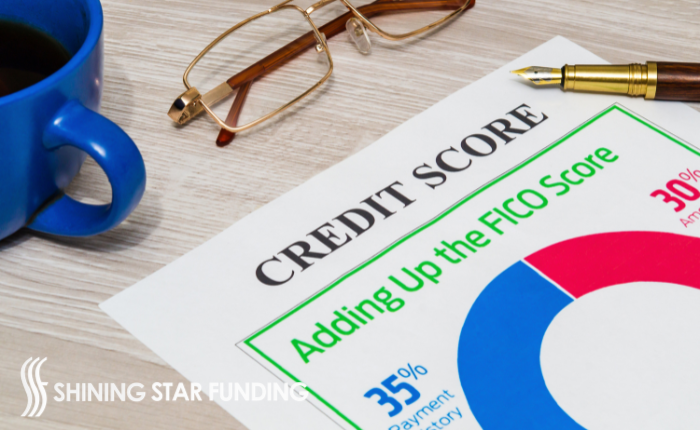
| Credit Score Factor | Approximate Importance |
|---|---|
| Payment history | 35% |
| Amounts owed | 30% |
| Length of credit history | 15% |
| New credit inquiries | 10% |
| Credit mix | 10% |
Mortgage refinancing mainly affects the “new credit” and “length of credit history” categories. Temporary score changes are common, especially during the first few months after closing. Borrowers wanting to understand how alternative applications impact criteria can research does getting preapproved hurt your credit parameters.
How Does Refinancing Affect Your Credit Score?
Many homeowners ask, does refinancing affect credit score calculations significantly? In most cases, the effect is moderate and temporary. Understanding exactly how does refinancing a mortgage work ensures structural changes don’t catch you off guard.
Here are the primary ways refinancing can influence your score.
Hard Credit Inquiries
When you apply for refinancing, lenders pull your credit report to assess risk. This creates a hard inquiry on your credit file.
Hard inquiries can lower your score slightly, often by only a few points. However, multiple mortgage inquiries completed within a short shopping window are usually treated as a single inquiry by many scoring models.
This is especially important when discussing mortgage refinance shopping and fico impact because borrowers are encouraged to compare rates without excessive fear of damaging their score.
Credit scoring systems recognize that rate shopping is a normal part of mortgage lending.
Paying Off And Starting New Mortgages
Refinancing pays off your existing mortgage and replaces it with a new loan account.
This can affect:
- The average age of your accounts
- Your credit mix
- Your active debt balances
Because a newer loan lowers average account age, some borrowers notice a temporary decrease in score after refinancing. Reviewing current marketplace benchmarks like refinance rates reports can help contextualize structural value shifts.
Still, borrowers who continue making timely mortgage payments often see their scores stabilize over time.
For homeowners researching does refi affect credit score concerns, it is important to understand that payment history remains one of the strongest long-term factors under traditional conventional loans guidelines.
Potential Payment Issues
During refinancing, confusion over payment timing can occasionally create problems.
For example:
- A borrower may accidentally miss the final payment on the old mortgage
- Automatic payments may not transfer immediately
- Escrow transitions may create temporary billing misunderstandings
Late payments can significantly damage credit scores. Borrowers should continue monitoring accounts carefully until the refinance is fully completed.
Protecting payment history is one of the most important parts of minimizing refinance credit impact.
Does Rate Shopping When Refinancing Affect Your Credit Score?
Many borrowers compare multiple lenders to secure competitive mortgage terms. Naturally, they worry about mortgage refinance shopping and fico impact.
Fortunately, modern scoring systems often treat multiple mortgage inquiries within a designated period as a single inquiry.
Depending on the scoring model, this shopping window may range from approximately 14 to 45 days.
That means borrowers can:
- Compare interest rates
- Review closing cost estimates
- Evaluate loan terms
- Research refinancing options
without suffering major credit damage from every inquiry.
For borrowers using a refi guide approach, shopping strategically within a short timeframe helps minimize unnecessary score reductions while maximizing loan savings opportunities. Homeowners frequently cross-reference data thresholds to analyze if is now a good time to refinance before opening inquiries.
Why Refinancing May Be Worth The Initial Credit Impact
Although some homeowners focus heavily on temporary score drops, refinancing can produce substantial long-term financial benefits.
Potential advantages include:
- Lower monthly mortgage payments
- Reduced lifetime interest costs
- Faster loan payoff timelines
- Predictable fixed-rate payments
- Debt consolidation opportunities
- Improved cash flow flexibility
In many cases, a small short-term dip in credit score is outweighed by years of savings.
For example, lowering an interest rate by even one percentage point could save thousands of dollars over the life of the loan.
Homeowners planning long-term investments or retirement housing strategies may find refinancing especially valuable despite temporary refinance credit impact concerns.
How To Protect Your Credit During A Refinance
Borrowers can take several proactive steps to reduce potential credit score disruptions during refinancing.
Keep Making Payments On Time
Continue making all mortgage, credit card, and loan payments on schedule throughout the refinance process.
Even one missed payment can create larger score damage than the refinance itself.
Avoid Opening New Credit Accounts
Applying for new credit cards, car loans, or personal loans during refinancing may increase debt obligations and trigger additional hard inquiries.
Keeping finances stable improves approval chances and limits unnecessary score changes.
Limit Large Purchases
Large purchases can increase debt-to-income ratios and reduce available cash reserves.
Avoid financing furniture, appliances, or vehicles before closing on the refinance.
Monitor Your Credit Reports
Review your credit reports regularly to confirm:
- The old mortgage shows as paid correctly
- The new loan reports accurately
- No duplicate balances appear
- There are no reporting errors
Credit reporting mistakes can sometimes occur during account transitions.
Shop Rates Within A Focused Timeframe
To minimize mortgage refinance shopping and fico impact concerns, complete lender comparisons within a concentrated period whenever possible.
This helps scoring systems group inquiries together more effectively.
Who Should Consider Refinancing?
Refinancing may be beneficial for many types of borrowers, including:
- First-time homeowners seeking lower monthly payments
- Self-employed borrowers improving cash flow
- Retirees looking for payment stability
- Real estate investors optimizing property financing
- Homeowners consolidating higher-interest debt
Not every refinance makes financial sense, so borrowers should carefully compare costs, savings, and long-term goals. Consumers can analyze the market changes using our live real-time rates table before locking an application.
For many homeowners following a refi guide strategy, understanding break-even timelines is just as important as evaluating credit effects.
Final Thoughts
Refinancing can temporarily influence your credit score, but the effects are often modest for financially responsible borrowers. Questions like does refinancing hurt your credit, does refinancing affect credit score calculations, and does refi affect credit score outcomes are common because refinancing involves new credit activity and account changes.
Still, most borrowers recover from temporary score fluctuations over time, especially when they maintain strong payment habits and avoid unnecessary debt.
Understanding refinance credit impact helps homeowners make informed decisions while protecting their financial health. For borrowers exploring a refi guide path toward lower payments, better loan terms, or long-term investment goals, refinancing may deliver meaningful benefits that outweigh short-term credit concerns. If you are ready to evaluate your financial savings and map your customized lending solution, you can apply now to lock in your strategy with an experienced mortgage advisor.
Frequently Asked Questions
Yes. If there are delays or missed payments during the refinance process: Credit score can drop significantly, approval for new terms may be affected, and loan closing may be delayed. Staying current on payments is critical.
Yes—but not as much as people think. Mortgage refinance shopping and FICO impact rules allow borrowers to shop multiple lenders within a short window (usually 14–45 days), and credit bureaus treat it as a single inquiry. So comparing rates has minimal long-term credit impact.
When asking does refi affect credit score, it’s important to separate short-term vs long-term effects. Short term: small drop from hard inquiry and new account. Long term: potential improvement if you lower monthly payments and avoid missed payments. So refinancing can actually help credit health over time if managed well.
Yes—does refinancing affect credit score is a yes, but the impact varies. Your credit score may change because: A new mortgage replaces an old one, lenders perform a credit check, and your average account age may decrease. Most borrowers see only a minor temporary drop.
A common concern is does refinancing hurt your credit. The short answer: yes, but usually only slightly and temporarily. Refinancing can cause a small dip in your credit score due to a hard inquiry and the opening of a new loan account. However, this impact is often short-term if you manage your credit responsibly.
A hard inquiry happens when a lender checks your credit for loan approval. During refinancing: One or more hard inquiries may be made, each inquiry can lower your score slightly, and the impact usually fades within a few months. This is a key part of does refinancing hurt your credit concerns.
Refinancing replaces your existing mortgage with a new one. It typically includes: Applying with a lender, submitting financial documents, home appraisal, credit check, and closing on a new loan. This process is what creates the refinance credit impact many borrowers notice.
Refinancing replaces your old loan with a new one. This means: Old mortgage is closed, new mortgage account is opened, credit age may temporarily decrease, and payment history resets on the new loan. These changes contribute to the short-term refinance credit impact.
To understand refinance effects, you need to know what impacts your score: Payment history (35%), credit utilization (30%), credit age (15%), credit mix (10%), and new credit inquiries (10%). Refinancing mainly affects new credit inquiries and credit age.
Even with a small dip, refinancing can be beneficial if it: Lowers your interest rate, reduces monthly payments, shortens your loan term, or eliminates mortgage insurance. The long-term savings often outweigh the temporary refinance credit impact.

527 Sycamore Valley Rd W, Danville, CA 94526
Toll Free Call : (866) 280-0020
For informational purposes only. No guarantee of accuracy is expressed or implied. Programs shown may not include all options or pricing structures. Rates, terms, programs and underwriting policies subject to change without notice. This is not an offer to extend credit or a commitment to lend. All loans subject to underwriting approval. Some products may not be available in all states and restrictions may apply. Equal Housing Opportunity.
Interactive calculators are self-help tools. Results received from this calculator are designed for comparative and illustrative purposes only, and accuracy is not guaranteed. Shining Star Funding is not responsible for any errors, omissions, or misrepresentations. This calculator does not have the ability to pre-qualify you for any loan program or promotion. Qualification for loan programs may require additional information such as credit scores and cash reserves which is not gathered in this calculator. Information such as interest rates and pricing are subject to change at any time and without notice. Additional fees such as HOA dues are not included in calculations. All information such as interest rates, taxes, insurance, PMI payments, etc. are estimates and should be used for comparison only. Shining Star Funding does not guarantee any of the information obtained by this calculator.
Privacy Policy | Accessibility Statement | Term of Use | NMLS Consumer Access
CMG Mortgage, Inc. dba Shining Star Funding, NMLS ID# 1820 (www.nmlsconsumeraccess.org, www.cmghomeloans.com), Equal Housing Opportunity. Licensed by the Department of Financial Protection and Innovation (DFPI) under the California Residential Mortgage Lending Act No. 4150025. To verify our complete list of state licenses, please visit www.cmgfi.com/corporate/licensing