
Avoid Real Estate Scams: How Homebuyers Can Protect Themselves From Mortgage Fraud and Property Buying Scams
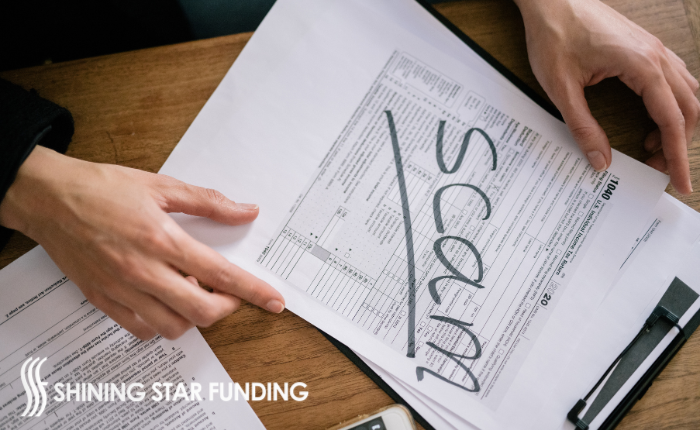
Why Real Estate Fraud Is a Growing Concern
Buying a home is one of the largest financial decisions most people will ever make. Unfortunately, the complexity of real estate transactions also creates opportunities for criminals, dishonest professionals, and organized fraud schemes to target buyers, sellers, and investors.
From fake listings to wire transfer scams and falsified loan applications, real estate scams have become increasingly sophisticated. First-time buyers, retirees, self-employed borrowers, and real estate investors can all become vulnerable during the homebuying process if they fail to recognize warning signs early. Reviewing curated homebuyer resources can help build your foundational defense lines long before entering active escrow.
Understanding how mortgage fraud works is one of the most important ways buyers can protect their finances, identity, and long-term real estate goals. By learning the most common fraud real estate tactics and knowing how to verify information carefully, buyers can reduce risks and make smarter decisions throughout the transaction.
What Is Mortgage Fraud?
Mortgage fraud occurs when someone intentionally provides false information, conceals facts, or manipulates documents during a real estate or mortgage transaction for financial gain.
Mortgage fraud can involve:
- Borrowers
- Real estate agents
- Appraisers
- Mortgage professionals
- Property sellers
- Identity thieves
- Organized criminal groups
Some fraud schemes target lenders directly, while others target unsuspecting homebuyers during the homebuying process.
Fraudulent activity may include fake income documentation, inflated appraisals, occupancy misrepresentation, identity theft, or deceptive refinancing practices. Homeowners can leverage interactive online mortgage calculators to audit their true liability shifts and prevent artificial document formatting alterations.
Because real estate transactions involve large sums of money and sensitive personal information, criminals often view property transactions as attractive targets.
5 Examples of Mortgage Fraud
Mortgage fraud can take many forms, ranging from simple document falsification to complex real estate fraud schemes involving multiple parties.
1. Origination Fraud
Origination fraud happens when false information is submitted during the mortgage application process to obtain loan approval.
Examples include:
- Inflating income figures
- Providing fake employment records
- Hiding debt obligations
- Using false bank statements
- Misrepresenting assets
In some cases, dishonest parties encourage buyers to exaggerate financial information to qualify for larger loans. These tight qualification parameters are highly scrutinized when securing standard fixed-rate conventional loans from traditional institutions.
Buyers should never sign incomplete or inaccurate loan documents during the homebuying process, even if pressured by someone involved in the transaction.
2. Occupancy Fraud
Occupancy fraud occurs when a borrower falsely claims a property will serve as a primary residence instead of an investment property.
This type of fraud is common because owner-occupied loans often provide:
- Lower interest rates
- Smaller down payment requirements
- More flexible qualification standards
For example, someone purchasing a rental property may falsely state they plan to live in the home to secure better loan terms.
Occupancy fraud is considered a serious offense because the lender approved the loan based on inaccurate information.
Understanding the difference between legitimate financing strategies and fraudulent occupancy claims is critical during the homebuying process.
3. Identity Fraud
Identity fraud is one of the fastest-growing real estate scams affecting buyers and sellers.
Criminals may steal personal information to:
- Open fraudulent mortgage accounts
- Transfer property ownership illegally
- Intercept wire transfers
- Create fake listings
- Impersonate buyers or sellers
Wire fraud is especially dangerous during real estate closings. Scammers sometimes send fake emails pretending to be title companies or settlement agents, instructing buyers to wire closing funds to fraudulent accounts. Reviewing all final closing documents in person with a certified title officer helps eliminate interceptive communication vectors.
Because of these risks, buyers should independently verify all wire instructions before sending money.
4. Churning
Churning occurs when borrowers are encouraged to refinance repeatedly for the primary purpose of generating fees rather than providing legitimate financial benefits.
Frequent refinancing may lead to:
- Excessive closing costs
- Higher loan balances
- Longer repayment terms
- Reduced home equity
Some fraud real estate operations pressure homeowners into unnecessary refinancing arrangements by promising unrealistic savings or misleading financial projections. Understanding exactly how does refinancing a mortgage work prevents consumers from falling prey to rapid fee-generating schemes.
Homeowners should carefully evaluate whether refinancing truly improves their financial position before agreeing to new loan terms.
5. Appraisal Fraud
Appraisal fraud involves intentionally misrepresenting a property’s value.
This may include:
- Inflated property valuations
- Manipulated comparable sales data
- Concealing property defects
- Artificially increasing prices to secure larger loans
Appraisal fraud can harm both buyers and lenders. Buyers may overpay for homes that are not worth the contract price, while lenders face increased risk if the property value is inaccurate.
For buyers navigating the homebuying process, independent inspections and market research can help identify suspicious pricing discrepancies. Homeowners should also cross-reference daily interest movements on our live real-time rates table before locking an application threshold.
What Are the Penalties for Mortgage Fraud?
Mortgage fraud carries serious legal and financial consequences.
Potential penalties may include:
- Criminal charges
- Heavy fines
- Civil lawsuits
- Prison sentences
- Loss of professional licenses
- Damaged credit history
Even buyers who unknowingly participate in fraudulent activity may face financial consequences if false information appears on signed documents.
This is why reviewing every contract carefully during the homebuying process is essential.
How to Avoid Being a Victim of Mortgage Fraud
Protecting yourself from property buying scams requires caution, preparation, and attention to detail.

Verify All Real Estate Professionals
Before working with agents, brokers, or other professionals, buyers should verify licensing status and professional credentials.
Although most agents operate ethically, realtor scams can occur when dishonest individuals exploit inexperienced buyers. Consumers can research consumer protection indices covering typical financial advisor scams to recognize patterns of behavioral pressure.
Buyers should:
- Research reviews and references
- Confirm licensing through state agencies
- Verify office locations and contact details
- Avoid pressure tactics
Never Wire Funds Without Verification
Wire fraud is one of the most dangerous real estate scams because stolen funds are often difficult to recover.
Before wiring money:
- Call the title company directly using verified phone numbers
- Confirm account information verbally
- Be cautious of last-minute email changes
- Avoid clicking suspicious email links
Even realistic-looking emails can be fraudulent.


Review All Documents Carefully
Buyers should read every document thoroughly before signing.
Watch for:
- Incorrect income figures
- Unknown debts
- Inflated assets
- Unexpected fees
- Blank signature pages
Signing inaccurate paperwork can create legal exposure even if someone else prepared the documents.
Protect Personal Information
Identity thieves often target real estate transactions because they involve large amounts of sensitive financial information.
Buyers should:
- Use secure passwords
- Monitor credit reports regularly
- Secure financial records carefully
- Avoid sending sensitive documents through unsecured channels
Protecting personal information is critical throughout the homebuying process.
Be Skeptical of Unrealistic Promises
Fraudulent schemes often rely on promises that sound too good to be true.
Examples include:
- Guaranteed loan approval
- Extremely low investment risk
- Fast profits from distressed properties
- Pressure to act immediately
Real estate investments always involve some level of financial risk. Buyers should approach overly aggressive sales tactics with caution.
Common Property Buying Scams to Watch For
In addition to mortgage fraud, buyers should remain alert for other property buying scams.
Common examples include:
- Fake rental listings
- Title fraud
- Foreclosure rescue scams
- Fake property ownership claims
- Online impersonation scams
These schemes may target both buyers and property owners. Identifying systemic red flags mirrors strategies used to avoid abusive predatory lending tactics, as detailed in our guide on predatory lending what it is and how to avoid it.
Independent verification is one of the best defenses against fraud real estate tactics.
How First-Time Buyers Can Stay Protected
First-time buyers may face greater risks because they are unfamiliar with transaction procedures and industry terminology.
Helpful protection strategies include:
- Working with experienced professionals
- Asking detailed questions
- Reviewing contracts slowly
- Avoiding emotional decisions
- Researching local market conditions
Education and preparation can significantly reduce exposure to real estate fraud schemes.
Why Awareness Matters During the Homebuying Process
The homebuying process involves large financial commitments, multiple parties, and complex legal documents. Criminals often exploit moments when buyers feel rushed, overwhelmed, or emotionally invested.
Staying informed about realtor scams, mortgage fraud, and identity theft risks allows buyers to recognize red flags early and avoid costly mistakes.
Real estate investors, retirees, and self-employed buyers should also remain cautious because fraudsters often target individuals involved in high-value transactions.
Final Thoughts
Replacing financial uncertainty with absolute compliance metrics is an essential part of protecting your finances and achieving successful homeownership. Mortgage fraud, wire scams, occupancy fraud, appraisal manipulation, and identity theft can create devastating financial consequences if buyers fail to recognize warning signs.
During the homebuying process, careful document review, professional verification, and secure communication practices can dramatically reduce the risk of becoming a victim of fraud real estate schemes. If you are ready to evaluate secure purchase terms and lock in safe financing options with certified professionals, you can apply now to structure your home financing path safely.
Frequently Asked Questions
Many realtor scams rely on urgency, impersonation, or misinformation to pressure buyers into making mistakes. To protect yourself, always verify licenses and credentials for realtors, brokers, lenders, and title companies to confirm they are properly established. Never wire funds without direct phone verification with a trusted contact, remain cautious of aggressive pressure tactics, review all document signature rows carefully, and secure your personal financial records away from unencrypted messaging channels.
To avoid real estate scams during the homebuying process, buyers should verify the licenses and credentials of agents and lenders, review all mortgage documents slowly, never wire money without confirming instructions verbally over a verified line, monitor credit reports regularly, and stay highly skeptical of deals that seem too good to be true. Rushing through paperwork or trusting unverified entities are the main reasons property buying scams succeed.
Avoiding real estate scams requires continuous awareness, active multi-channel validation, and careful communication habits throughout the transaction. Ensuring every administrative element is accounted for protects assets from systemic real estate fraud schemes.
There are many forms of real estate fraud schemes, but several scams appear frequently during home purchases. Common variations include fake property listings, wire transfer fraud, identity theft, occupancy fraud, inflated appraisals, loan application fraud, and title fraud. These property buying scams can impact both first-time buyers and experienced investors alike.
Appraisal fraud occurs when a property’s value is intentionally inflated or manipulated during a transaction via false comparable sales data, artificial property evaluations, or concealing serious structural defects. This distortion alters the true loan-to-value ratio, increasing financial exposure and risk boundaries for both the funding lender and the end homebuyer.
Churning occurs when lenders or brokers repeatedly encourage borrowers to refinance existing loans primarily to generate predatory fees and commission structures rather than providing legitimate interest cost improvements. This practice can expand debt liabilities, strip out built-up home equity nodes, and extend repayment timelines unnecessarily.
Identity fraud happens when someone steals personal information to fraudulently apply for loans, open mortgage accounts, or transfer property ownership illegally. Cybercriminals often use modern email impersonation masks to intercept transaction wire routing data right before closing, making fund recovery exceptionally difficult.
Mortgage fraud is defined as any intentional misrepresentation, deception, or concealment of facts during a real estate transaction executed for illicit financial gain. This financial crime can be committed by buyers, sellers, or industry professionals, and carries heavy civil and criminal penalties.
Occupancy fraud occurs when a borrower falsely claims they will use a property as their primary residence in order to obtain better loan terms (such as lower rates or smaller down payments) when they actually intend to operate the home as an investment rental. Falsifying a primary residence claim constitutes a serious form of financial fraud.
Origination fraud happens when false information, such as fake employment records, inflated income figures, or fabricated bank statements, is submitted during the initial mortgage application process to secure loan approval. Manipulating debt-to-income ratios through fraudulent documentation is a common form of this crime.

527 Sycamore Valley Rd W, Danville, CA 94526
Toll Free Call : (866) 280-0020
For informational purposes only. No guarantee of accuracy is expressed or implied. Programs shown may not include all options or pricing structures. Rates, terms, programs and underwriting policies subject to change without notice. This is not an offer to extend credit or a commitment to lend. All loans subject to underwriting approval. Some products may not be available in all states and restrictions may apply. Equal Housing Opportunity.
Interactive calculators are self-help tools. Results received from this calculator are designed for comparative and illustrative purposes only, and accuracy is not guaranteed. Shining Star Funding is not responsible for any errors, omissions, or misrepresentations. This calculator does not have the ability to pre-qualify you for any loan program or promotion. Qualification for loan programs may require additional information such as credit scores and cash reserves which is not gathered in this calculator. Information such as interest rates and pricing are subject to change at any time and without notice. Additional fees such as HOA dues are not included in calculations. All information such as interest rates, taxes, insurance, PMI payments, etc. are estimates and should be used for comparison only. Shining Star Funding does not guarantee any of the information obtained by this calculator.
Privacy Policy | Accessibility Statement | Term of Use | NMLS Consumer Access
CMG Mortgage, Inc. dba Shining Star Funding, NMLS ID# 1820 (www.nmlsconsumeraccess.org, www.cmghomeloans.com), Equal Housing Opportunity. Licensed by the Department of Financial Protection and Innovation (DFPI) under the California Residential Mortgage Lending Act No. 4150025. To verify our complete list of state licenses, please visit www.cmgfi.com/corporate/licensing