
VA Loan Termite Inspection: Requirements, Costs, and Buyer Guide
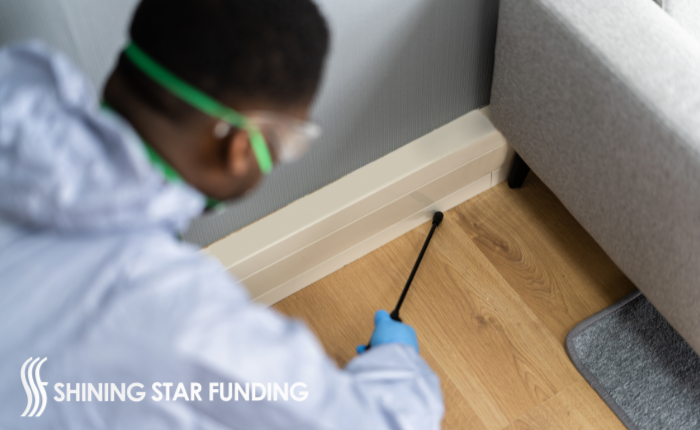
In the journey of preparing to buy a home using a VA-backed mortgage, one often overlooked but extremely important step is the pest inspection process. A va loan termite inspection is designed to protect both the borrower and lender from structural damage caused by wood-destroying insects. Aligning your timeline with the comprehensive VA loan qualification track ensures a secure and compliant path to closing.
Understanding how the termite inspection va loan requirement works helps buyers avoid delays, unexpected costs, and repair issues during closing. In preparing to buy, this inspection plays a critical role in ensuring the home is safe, structurally sound, and eligible for financing. Utilizing professional homebuyer resources can help clarify specific regional parameters before you enter a contract.
When Is a VA Termite Inspection Required for a VA Loan?
A VA termite inspection is required when the property is located in an area where termites or wood-destroying insects are common. The Department of Veterans Affairs allows lenders to require a pest inspection for VA loan transactions depending on regional risk factors. Securing a timely va loan preapproval will typically prompt the lender to specify these required regional items upfront.
In many cases, a va termite inspection is mandatory for homes in warmer, humid climates where termite activity is more prevalent. However, requirements can vary depending on state and local lender guidelines.
In the broader context of preparing to buy, understanding when inspections are required helps buyers avoid last-minute surprises during closing.
VA Loan Termite Inspection Requirements by State
The pest inspection for VA loan requirement is not uniform across the country. Instead, it depends on geographic risk zones.
Typically, states in southern and coastal regions are more likely to require inspections due to higher termite activity. Meanwhile, some northern states may not require them unless specific conditions are present.
In preparing to buy, buyers should always check local VA lending guidelines because requirements may differ even within the same state depending on county-level risk assessments.
When Are Termite Inspections Not Required for a VA Loan?
A termite inspection is not always required for a VA loan. In lower-risk areas, lenders may waive the inspection unless there is visible evidence of infestation or structural damage.
Situations where inspections may not be required include:
- Properties in low-risk termite zones
- New construction homes with builder certifications
- Homes with recent pest inspection reports
In preparing to buy, this flexibility can help reduce upfront costs, but many buyers still choose to conduct inspections for peace of mind. For example, if you are analyzing alternative transaction styles and asking are va loans assumable, streamline processing rules can sometimes alter standard inspection workflows.
Should You Get a Termite Inspection If It’s Not Required?
Even if not required, getting a termite inspection is often a smart decision. Termite damage can be expensive to repair and may not always be visible during a standard home inspection.
Benefits include:
- Early detection of hidden pest damage
- Protection from future repair costs
- Stronger negotiation position with the seller
In preparing to buy, many buyers treat a pest inspection cost as a small investment compared to potential repair expenses later, which is why compiling your foundational questions to ask when buying a house remains a vital safety net.
How Do Termite Inspections for VA Loans Work?
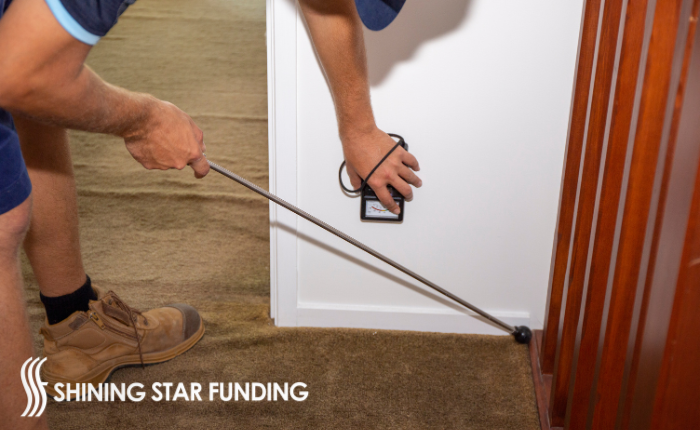
The va loan termite inspection process is straightforward but detailed. It is performed by a licensed pest control professional who checks for evidence of termites and other wood-destroying organisms. Referencing standard home inspection overview guidelines helps clarify how specialized pest checks fit into general real estate due diligence.
The process typically includes the following steps:
Schedule an In-Depth Inspection
A certified inspector evaluates the home’s interior, exterior, foundation, attic, and crawl spaces for signs of infestation or damage.
The Appraiser Reviews the Inspection Report
In some cases, the VA appraiser may review or reference the pest inspection report as part of the overall property condition assessment.
Provide Detailed Remedies for Damage and Pests Found
If issues are discovered, the inspector outlines required treatments or repairs before loan approval can proceed.
In preparing to buy, this process ensures that the home meets VA safety and structural standards before closing.
Who Pays for the VA Home Loan Termite Inspection?
Typically, the buyer pays for the va termite inspection, but this can sometimes be negotiated between buyer and seller during contract discussions.
In some cases, sellers may agree to cover the cost to facilitate a smoother transaction, especially in competitive markets.
In preparing to buy, understanding who pays helps buyers budget more accurately for closing costs and inspections.
How Much Does a VA Termite Inspection Cost?
The pest inspection cost for a VA loan varies depending on property size, location, and inspection provider. On average, costs are relatively affordable compared to other homebuying expenses.
Factors influencing cost include:
- Size of the home
- Type of structure (single-family, multi-unit)
- Regional pricing differences
In preparing to buy, buyers should budget for this cost early in the process and track their overall structural numbers using interactive mortgage calculators to avoid last-minute financial adjustments.


How Long Is a Termite Inspection Good for a VA Loan?
A termite inspection report is typically valid for a limited period, often around 30 to 90 days depending on lender and state guidelines.
If the closing process takes longer, a new inspection may be required to ensure the property remains free of infestation.
In preparing to buy, timing is important to ensure inspection results remain valid through closing while concurrently tracking live adjustments in real-time rates.
What Are My Options If the Termite Inspection Fails?
If a termite inspection va loan report reveals damage or active infestation, buyers still have several options.
Common solutions include:
- Requesting the seller to complete repairs
- Negotiating a price reduction
- Requiring professional pest treatment before closing
- Walking away from the transaction if issues are severe
In preparing to buy, these options help protect buyers from inheriting costly structural problems.
Why VA Termite Inspections Matter in Homebuying
The pest inspection for VA loan requirement exists to protect both borrowers and lenders from hidden structural risks. Termites can cause extensive damage that is not always visible during a standard appraisal or walkthrough.
In preparing to buy, this inspection adds an extra layer of protection that ensures the property is safe, stable, and financially sound before purchase.
Final Thoughts on VA Loan Termite Inspection
A va loan termite inspection is a small but important part of the VA homebuying process. While requirements vary by location, the inspection helps identify hidden risks that could affect both safety and long-term property value.
From understanding pest inspection cost to knowing when inspections are required or optional, buyers who are well-informed make better decisions during preparing to buy.
By learning how inspections work and what to do if issues arise, homebuyers can confidently move through the VA loan process with fewer surprises and greater financial security. When you are fully prepared to begin your formal funding journey, you can apply online now to lock in your custom loan criteria.
Frequently Asked Questions
The process begins when a licensed pest control professional visits the property. They will conduct an in-depth inspection of accessible areas, including crawl spaces, attics, and the exterior foundation. They look for live insects, “mud tubes,” discarded wings, or damaged wood. Once finished, they issue a Wood-Destroying Insect Information Report (often Form NPMA-33).
The VA appraiser does not perform the pest inspection themselves, but they do review the findings. If the va loan termite inspection report indicates active infestation or dry rot, the appraiser will list these as “conditions” on the appraisal. The loan cannot move to closing until these conditions are cleared by a professional.
A va loan termite inspection report is typically valid for 90 days from the date of the inspection. If your closing process is delayed significantly and the 90-day window expires, the lender may require a new inspection to ensure no new pest activity has occurred during the delay.
The pest inspection cost typically ranges between $50 and $200, depending on the size of the home and your geographic location. This is a relatively small fee compared to the total cost of the home, and it ensures that your future investment is structurally sound.
Yes. Even if the VA doesn’t mandate a pest inspection for a va loan in your area, it is a wise investment for “peace of mind.” Wood-destroying organisms can cause thousands of dollars in structural damage before they are even visible to the untrained eye. Paying the pest inspection cost upfront can save you from a financial nightmare down the road.
Requirements vary significantly based on geography. Currently, over 30 states (primarily in the South, Mid-Atlantic, and West Coast) require a va termite inspection for every VA purchase. These include states like Texas, Florida, California, and Virginia. In other states, such as Pennsylvania or Illinois, requirements may be determined on a county-by-county basis.
If the inspection “fails” due to pests or damage, the VA requires two things: 1. Treatment: A licensed professional must treat the home for the specific pest found. 2. Repairs: Any structural damage caused by the insects must be repaired. Once completed, the inspector must provide a “clearance” letter or a second report showing the home is now free of active infestation.
If you are buying a home in a “none-to-slight” probability zone (like Alaska or portions of the Upper Midwest), the VA typically does not require a report. Furthermore, termite inspections are usually waived for VA Interest Rate Reduction Refinance Loans (IRRRLs), as these are streamline refinances that don’t always require a full appraisal or interior inspection.
A termite inspection for a VA loan is generally required if the property is located in an area the VA deems “moderate to heavy” or “very heavy” for termite activity. The VA uses a Termite Infestation Probability Map to determine these zones. Additionally, if a VA appraiser notices any visual evidence of wood-destroying insects during their initial visit—regardless of the location—they will flag the home for a mandatory inspection.
In the past, the VA strictly prohibited Veterans from paying for this service. However, as of June 2022, VA rules changed. Now, the Veteran is allowed to pay the pest inspection cost in any state. While you can still negotiate for the seller to cover this fee, you no longer have to worry about the deal falling through if the seller refuses to pay.

527 Sycamore Valley Rd W, Danville, CA 94526
Toll Free Call : (866) 280-0020
For informational purposes only. No guarantee of accuracy is expressed or implied. Programs shown may not include all options or pricing structures. Rates, terms, programs and underwriting policies subject to change without notice. This is not an offer to extend credit or a commitment to lend. All loans subject to underwriting approval. Some products may not be available in all states and restrictions may apply. Equal Housing Opportunity.
Interactive calculators are self-help tools. Results received from this calculator are designed for comparative and illustrative purposes only, and accuracy is not guaranteed. Shining Star Funding is not responsible for any errors, omissions, or misrepresentations. This calculator does not have the ability to pre-qualify you for any loan program or promotion. Qualification for loan programs may require additional information such as credit scores and cash reserves which is not gathered in this calculator. Information such as interest rates and pricing are subject to change at any time and without notice. Additional fees such as HOA dues are not included in calculations. All information such as interest rates, taxes, insurance, PMI payments, etc. are estimates and should be used for comparison only. Shining Star Funding does not guarantee any of the information obtained by this calculator.
Privacy Policy | Accessibility Statement | Term of Use | NMLS Consumer Access
CMG Mortgage, Inc. dba Shining Star Funding, NMLS ID# 1820 (www.nmlsconsumeraccess.org, www.cmghomeloans.com), Equal Housing Opportunity. Licensed by the Department of Financial Protection and Innovation (DFPI) under the California Residential Mortgage Lending Act No. 4150025. To verify our complete list of state licenses, please visit www.cmgfi.com/corporate/licensing